
Hillside recovery Woodland Hills
This page covers a single California center, Hillside Recovery in Woodland Hills. It is one of 947 SAMHSA-listed facilities statewide. Use it to compare detox and residential care and to plan your call.
- Joint Commission
- Detox
- 45 Days
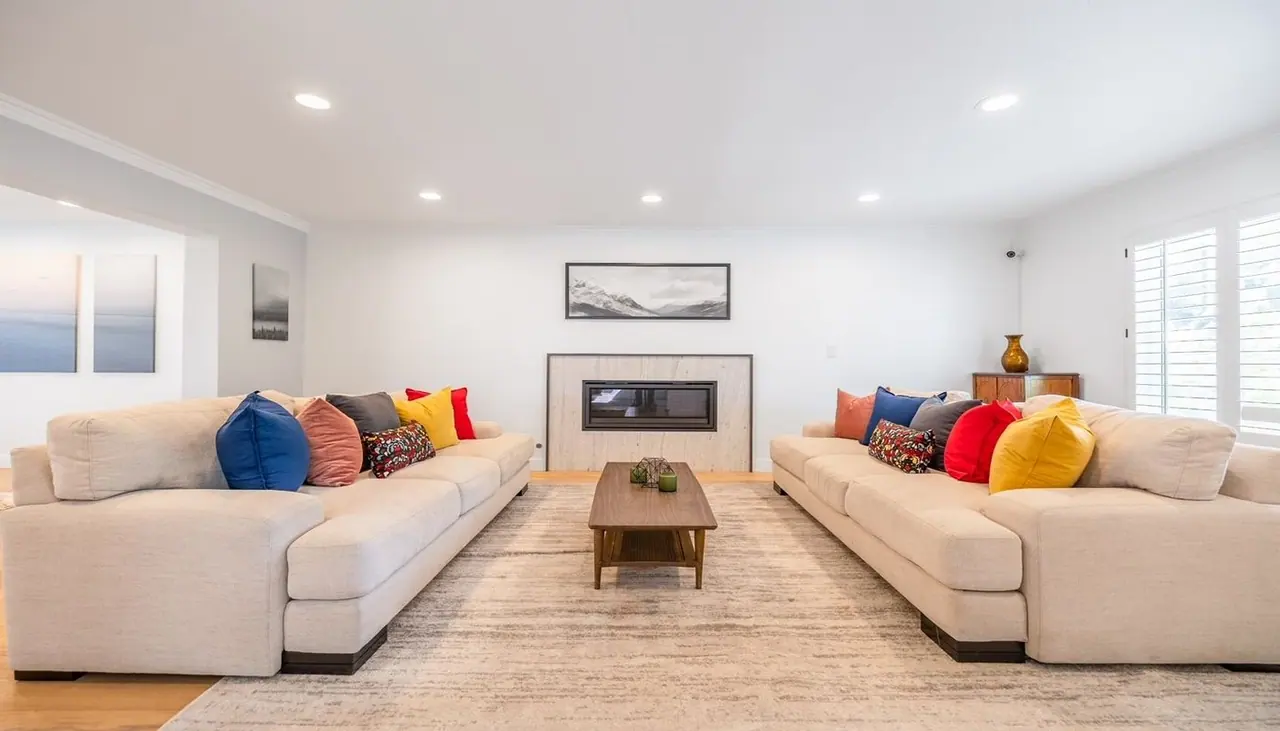
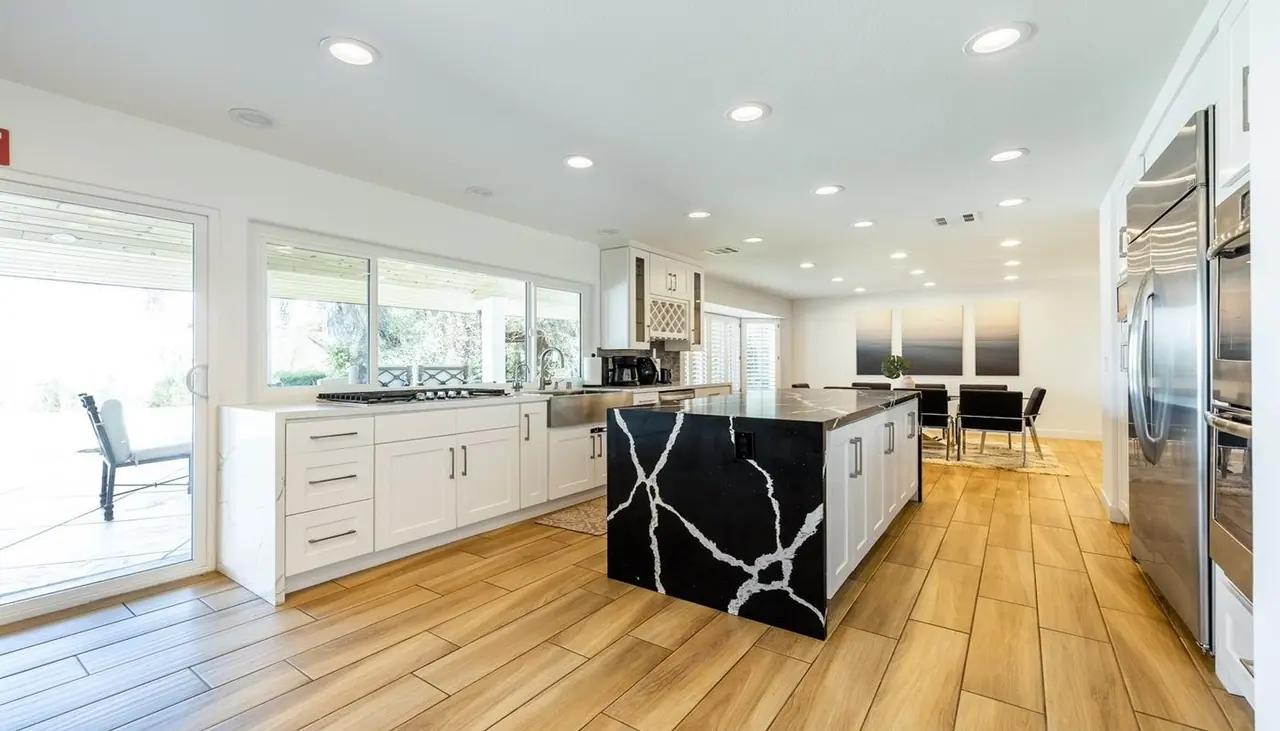
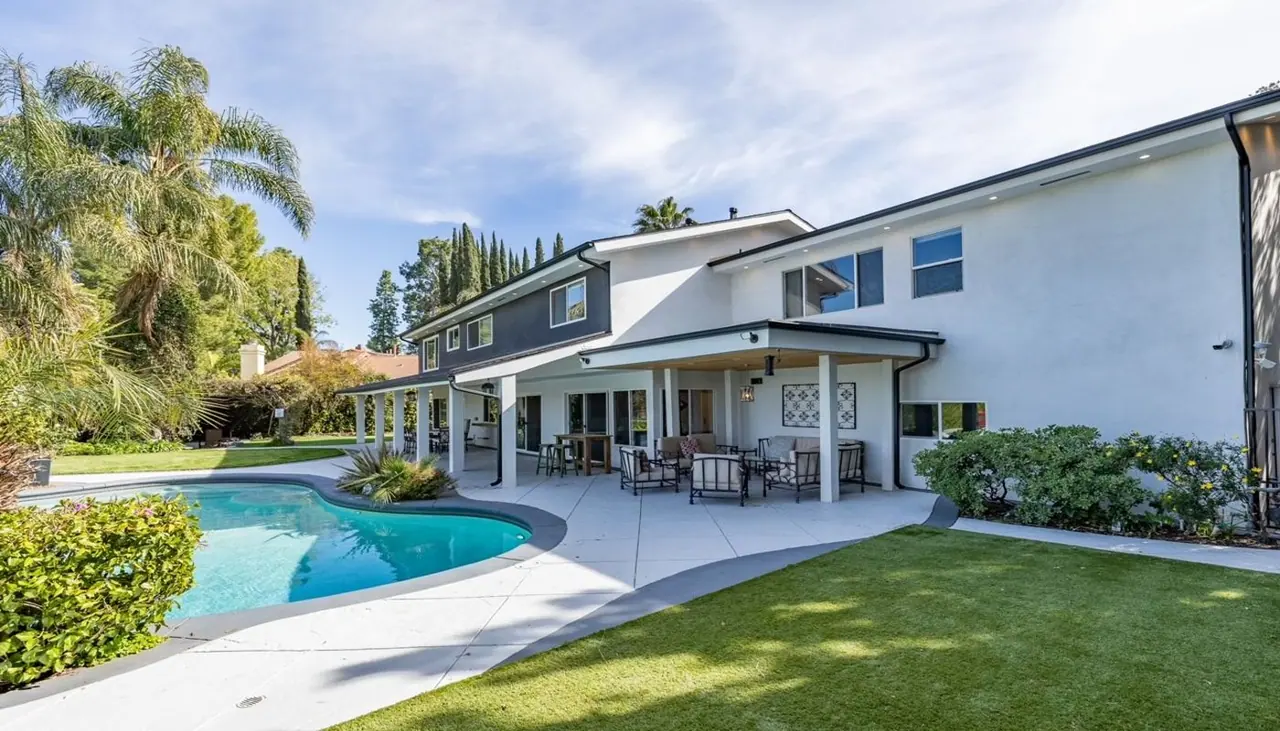
Hillside Recovery is a small detox and residential program on Winnetka Circle in Woodland Hills, roughly half an hour northwest of central Los Angeles. It opened in 2023 and carries Joint Commission accreditation. Hillside recovery Woodland Hills pairs detox with residential treatment in a 6-15 bed setting where each client's pace and goals are respected. The team describes flexible care rather than rigid rules.
In practice, that means individualized plans, ongoing medical attention during withdrawal, and a low client-to-staff ratio so questions get answered. The center treats people who drink heavily, those dependent on benzodiazepines, and adults using cocaine, heroin, ecstasy or psychedelics. It also treats co-occurring conditions such as depression, anxiety, trauma, bipolar disorder and OCD alongside substance use.
The atmosphere is quiet and restorative: meals prepared on site with attention to dietary needs, time by the pool or hot tub, a 24/7 gym and outdoor space. If you are weighing residential care, then ask about withdrawal safety, insurance verification and aftercare first, because those decisions shape everything else.
This helpline is a resource for information, not a clinic. Trained people there connect callers with licensed providers, at no cost and privately, with nothing to sign and nothing promised.
Detox and residential care here
This center lists detox as the entry point, paired with residential treatment for substance use and mental health conditions. Hillside recovery Woodland Hills offers detox with continuous medical attention rather than at-home withdrawal, and the clinical team decides medication support after assessment; no protocol is promised in advance. Quitting alcohol and benzodiazepines can become a medical risk, so medical staff should supervise it.
Therapy includes one-on-one counseling, sessions with a clinical psychologist, acupuncture, cryotherapy, mindfulness and meditation, Rational Emotive Behavior Therapy, transcranial magnetic stimulation and trauma-specific work. The program refers to itself as evidence based and holistic. Aftercare continues with a recovery coach, drug screening, family follow-up counseling, online aftercare, outpatient treatment, recovery retreats, return visits and support meetings. If you need care after discharge, then the aftercare list matters as much as the residential phase because it is where stability is tested.
- Rational Emotive Behavior Therapy
- Evidence-Based
- Acupuncture
- Cryotherapy
- Trauma-Specific Therapy
- 1-on-1 Counseling
- 1-on-1 Counseling with Clinical Psychologist
- Individual Treatment
- Mindfulness Therapy
- Personalized Treatment
Who this program is for
- Adults with alcohol, benzodiazepine, cocaine, heroin, ecstasy or psychedelic use
- People with co-occurring depression, anxiety, trauma, OCD, bipolar disorder or personality disorders
- Couples seeking treatment together
- Executives and midlife adults balancing privacy with care
- Young adults and LGBTQ+ clients
- Men and women, including people with mild disabilities
Setting, size, and program length
The typical stay is 45 days in a setting of 6-15 beds, which keeps the group small and the schedule personal enough to plan around, and amenities include a pool, hot tub, gardens, fitness center, library, business center and internet access. Rooms are air-conditioned with desks and bathroom essentials, and staff speak Armenian, English, Russian and Swedish. Activities range from yoga, Pilates and swimming to massage, AA/NA meetings and reading, with a personal trainer available. If you need a specific language or accommodation, then confirm it by phone before traveling, since availability can change.
- Fitness Center
- Access to Nature
- Internet Access
- Library
- Business Center, Computers
- Gardens
- Hot Tub
- Pool
Paying for Hillside Recovery
In this center's SAMHSA record, the only payment option is cash pay rates shown; insurance is not listed as accepted, and coverage or cost cannot be confirmed without checking. If you plan to use insurance, then have the center verify your benefits by phone before you commit to a date, and ask what a 45-day stay would cost out of pocket if coverage falls short. A quick call can confirm open beds and what your plan covers at no charge, and calling commits you to nothing.
Questions before you are admitted
- Will my insurance cover detox and residential care at this center, and what will I owe?
- How is withdrawal managed, and who oversees it day to day?
- What does a typical 45-day stay look like for someone with my diagnosis?
- Which languages and therapies are available during my stay?
- What aftercare is arranged at discharge, and is it included in the price?
- Is the Joint Commission accreditation current, and can I see the report?


Other centers in Woodland Hills
-
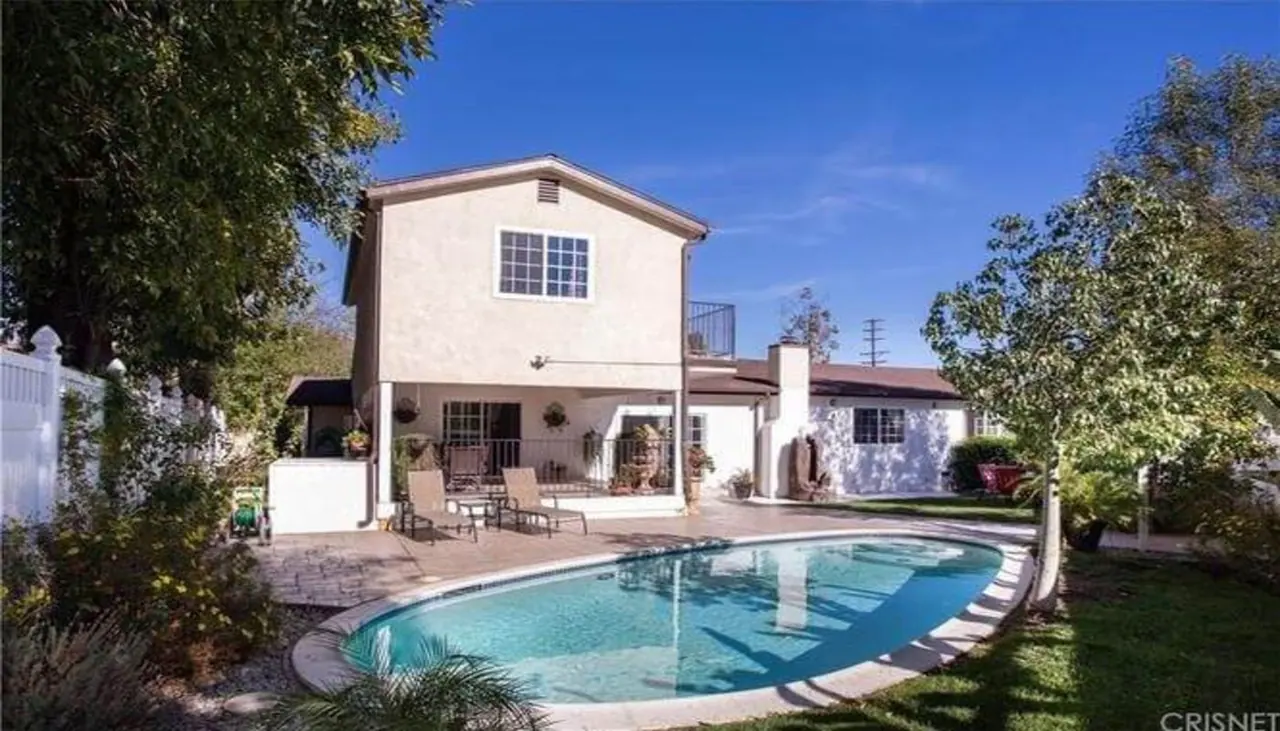
Destinations for Teens Hatteras House
Destinations for Teens Hatteras House Woodland Hills serves adolescents in a residential setting.
Woodland Hills, CA
45+ days6-15 beds
- Joint Commission
- Residential Rehab
- Co-Occurring Mental Health
-
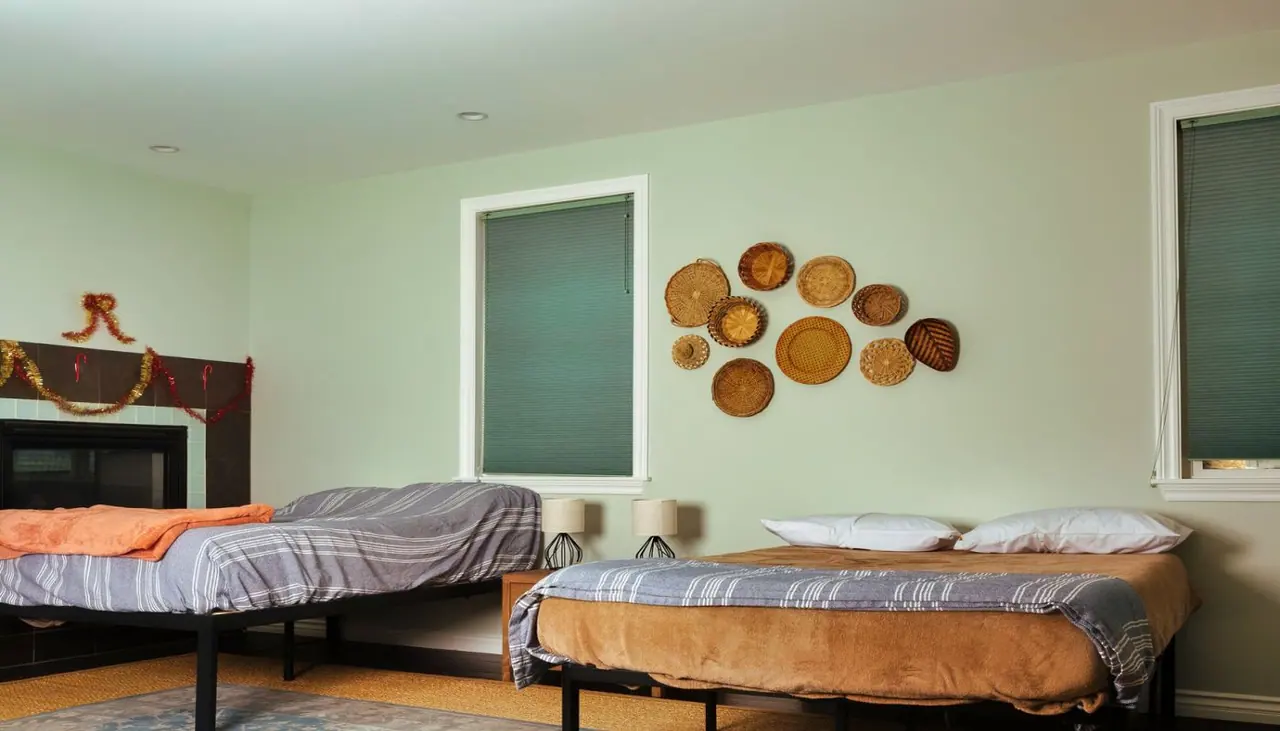
Psyclarity Health
Psyclarity Health Woodland Hills is a Joint Commission-accredited center in California.
Woodland Hills, CA
30 days6-15 beds
- Joint Commission
- Outpatient
- Co-Occurring Mental Health
-
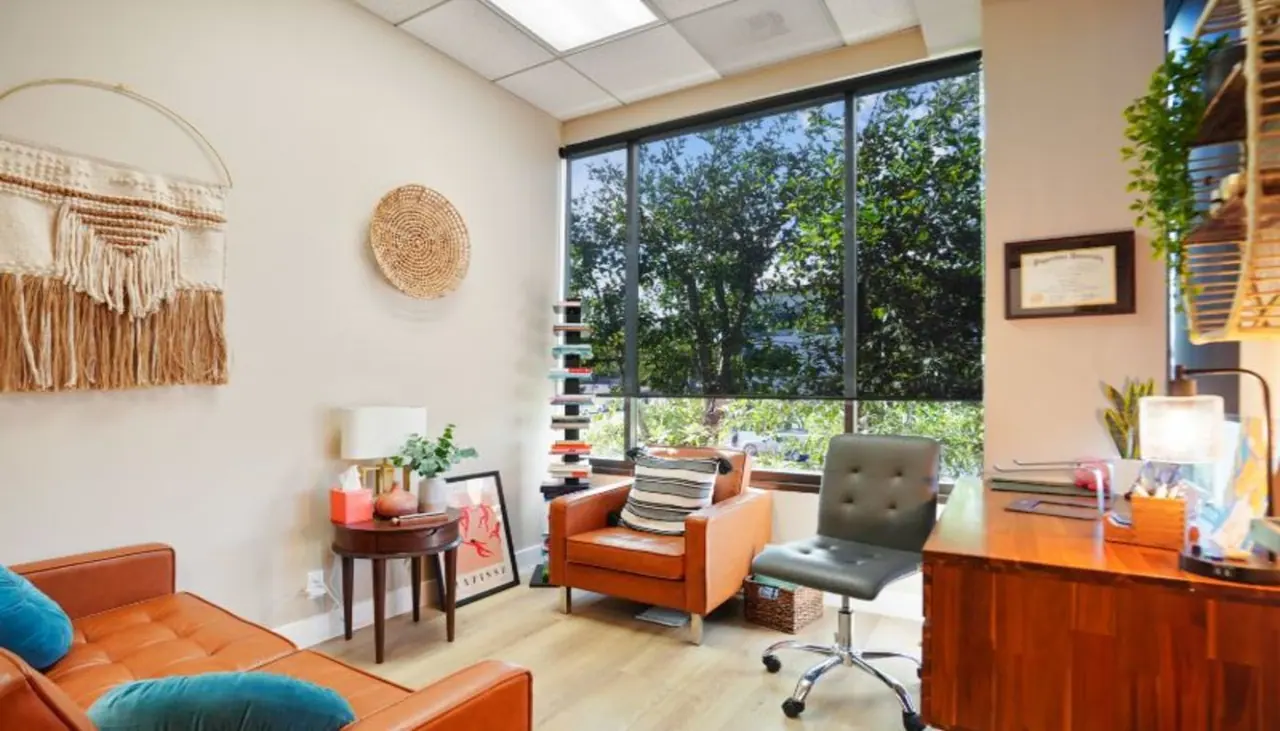
Launch to Wellness
5.0/5113 Google reviews
Launch to Wellness Woodland Hills provides outpatient care in Los Angeles County.
Woodland Hills, CA
90 days
- Joint Commission
- Outpatient
- Co-Occurring Mental Health
-

Vanity Wellness Center
4.9/5107 Google reviews
Vanity Wellness Center is a treatment center accredited by the Joint Commission, located on Ventura Boulevard.
Woodland Hills, CA
30 days6-15 beds
- Joint Commission
- Detox
- Outpatient
- Co-Occurring Mental Health
-

Iris Healing Center
4.8/516 Google reviews
Iris Healing Center Woodland Hills is a residential California rehab in the San Fernando Valley.
Woodland Hills, CA
30+ days6-15 beds
- Joint Commission
- Detox
-

Zen Recovery Center
Zen Recovery Center Woodland Hills provides detox and residential addiction treatment.
Woodland Hills, CA
30 days
- Joint Commission
- Detox
- Residential Rehab
- Co-Occurring Mental Health

Good to know
Is Hillside recovery Woodland Hills a licensed treatment center?
Hillside Recovery is listed on SAMHSA FindTreatment.gov and holds Joint Commission accreditation, which is a recognized check on a program's operations. That is not a state license number, so ask the center directly about California licensing and confirm accreditation status through the Joint Commission before admission. This guide is not a provider and does not diagnose.
How long are inpatient programs at this center?
The typical program length listed here is 45 days, longer than a standard 28-day stay and shorter than a multi-month residential program. Your own timeline may differ based on withdrawal needs, co-occurring conditions and aftercare planning. If you have insurance, then ask for the length your plan will authorize before you schedule an admission date.
Does this center treat mental health conditions that occur alongside addiction?
Yes. The center lists comorbid disorders among the conditions it handles, along with depression, anxiety, trauma, OCD and bipolar disorder. Dual diagnosis care means therapy and medication decisions are made with both the mental health condition together with the substance use in view. If you take psychiatric medication, then ask how prescribing is handled during detox and after discharge.
Can you tell me what Hillside Recovery costs?
No exact price is published in the available facts, and this guide will not guess. The only way to pay is cash pay rates listed, so ask the center for a written estimate covering detox, the 45-day residential phase and aftercare. If insurance is part of your plan, then request a benefits check by phone before admission; the helpline can help you start that call at no cost.
What are the common reasons people go to rehab?
People seek treatment for alcohol, benzodiazepine, cocaine, heroin, ecstasy or psychedelic use, often alongside depression, anxiety or trauma, and this center lists all of those. Detox is the usual entry point. If you are unsure whether residential care fits, then a helpline call can help you compare levels of care at no cost before you contact the center.