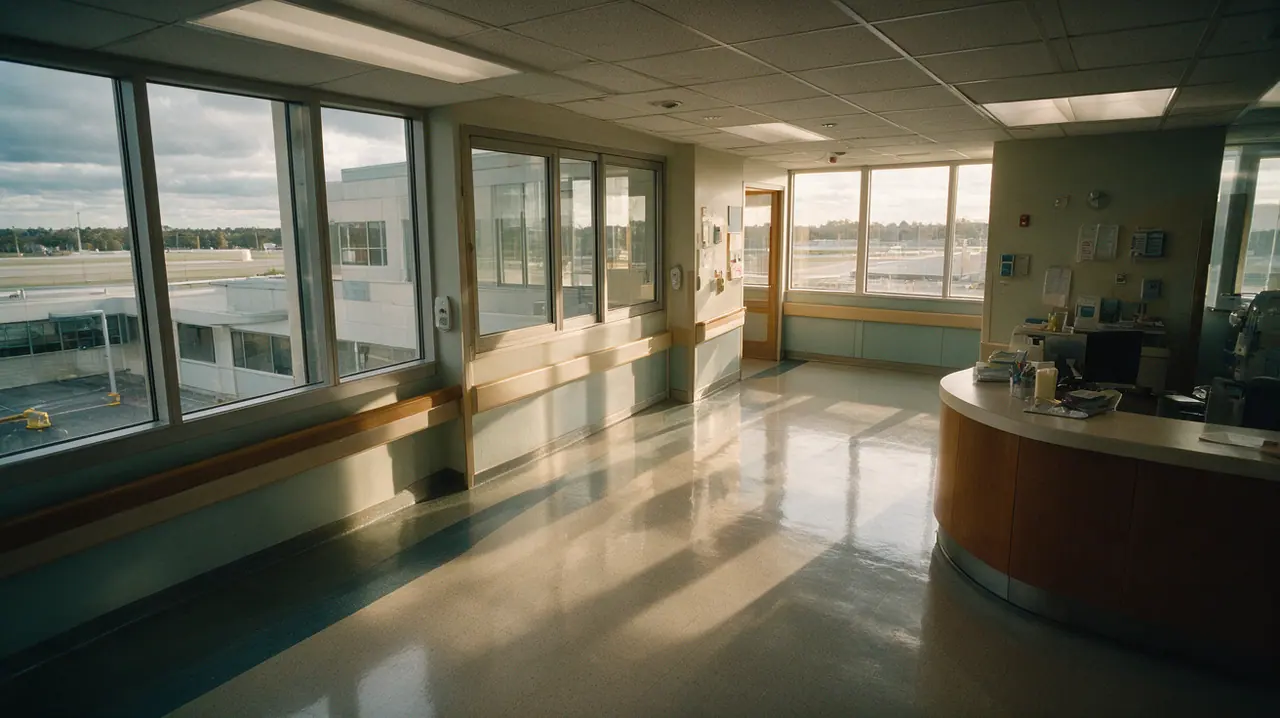
Addiction rehab California
Finding addiction rehab California options can feel overwhelming. There are 947 facilities listed by SAMHSA, including 358 that offer detox. This guide explains levels of care, insurance coverage, and what to expect.
- facilities shown
- 947
- provide detox
- 358
- take Medicaid
- 569

Alcohol and drug treatment in California
Alcohol is the substance treated most frequently, and 279 detox facilities in California serve it. Alcohol rehab in California is offered at 279 detox facilities, with medications available at 429 sites. For an alcohol use disorder, medications like naltrexone or acamprosate can reduce cravings. Opioids and fentanyl are a major concern, with 356 detox facilities and 4,047 fentanyl deaths in the 12 months through May 2026. Suboxone treatment in California is available at 605 facilities that offer buprenorphine. With an opioid use disorder, medication-assisted treatment can begin promptly. Methamphetamine is linked to 4,784 deaths, and 265 detox facilities serve people who use meth. Methamphetamine detox at 265 California facilities provides medical supervision during withdrawal. For meth use, behavioral therapies are the main approach since no medications are approved. Cocaine is involved in 1,397 deaths, and 262 detox facilities provide care. For benzodiazepines, 272 detox facilities offer monitored withdrawal. Benzodiazepine detox at 272 facilities in California requires medical supervision due to seizure risk. If you take benzodiazepines, never stop suddenly without a doctor's advice.
Paying for addiction rehab in California
Statewide, 569 facilities accept Medicaid, and since California expanded Medicaid under the Affordable Care Act, more low-income adults may qualify today. Eligible adults can use Medicaid at 569 rehab centers in California. If you have Medi-Cal, determine which programs are in-network before enrolling. At 597 facilities, private insurance is accepted, and federal parity law means most plans must cover substance use treatment much as medical care is covered. Parity protections apply as private insurance is accepted at 597 addiction treatment centers in California. If your plan denies a request, you can appeal. Medicare is accepted at 346 facilities, TRICARE at 320, and state insurance at 294. Self-payment works at 755 facilities, with sliding scales at 283 and financial assistance at 170. For people with limited income, sliding-scale fees at 283 California rehabs bring costs down. When treatment costs more than you can manage, ask about payment plans and assistance programs. Federal block grant funds support treatment at 450 facilities, and 16 facilities offer care at no charge. Among free rehab options in California are 16 facilities that charge nothing at all. If money is your worry, start by calling the helpline to talk through free and low-cost choices.
- take Medicaid
- 569
- accept private plans
- 597
- take Medicare
- 346
- provide sliding-scale pricing
- 283
Widely used treatment centers in California
-
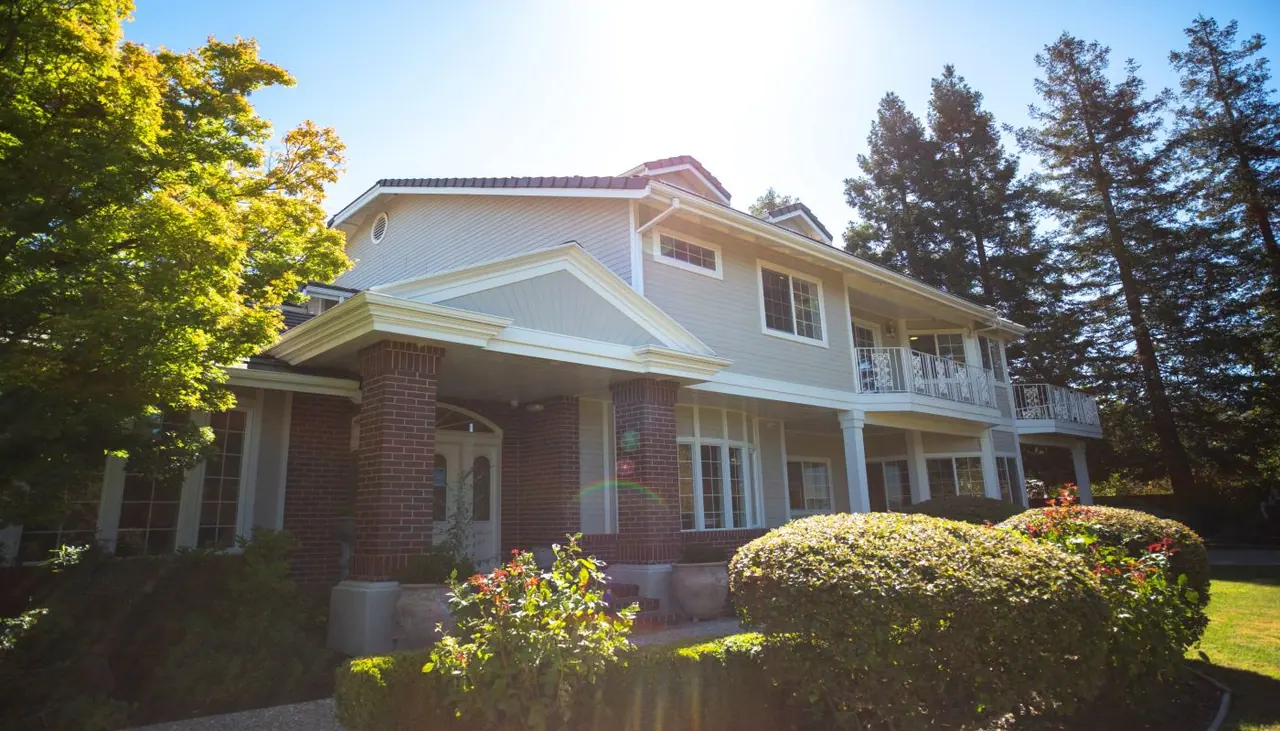
Evolve Teen Treatment Center
Evolve Teen Treatment Center Walnut Creek is a residential program for teens.
Walnut Creek, CA
45 days6-15 beds
- Joint Commission
- Detox
- Residential Rehab
-

West Coast Recovery Centers
West Coast Recovery Centers Carlsbad is an outpatient program on Grand Avenue.
Carlsbad, CA
30 days31-50 beds
- Joint Commission
- Outpatient
- Co-Occurring Mental Health
-

Spark To Recovery
Spark to Recovery Cardiff by the Sea is a licensed program in Cardiff, California.
Cardiff By The Sea, CA
90 days6-15 beds
- Joint Commission
- Detox
- Co-Occurring Mental Health
-
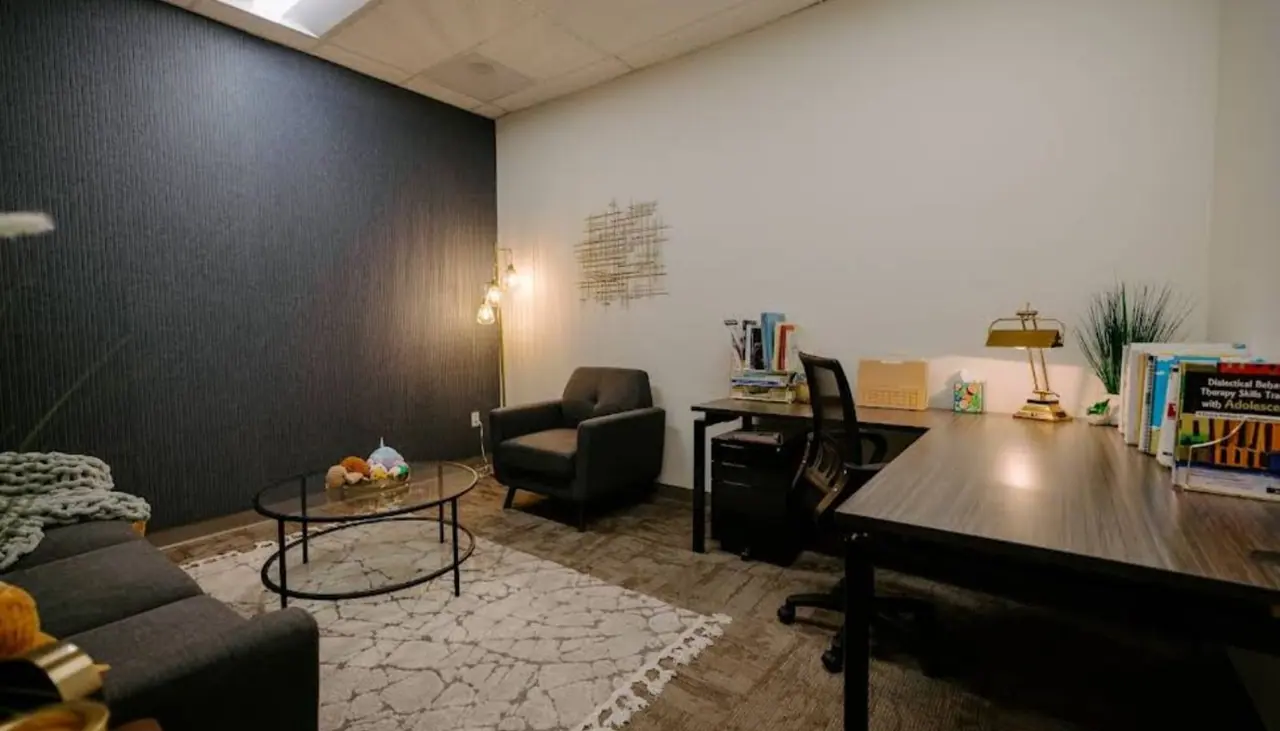
Vitalize Shaw & 41
Vitalize Shaw & 41 Fresno is an outpatient clinic located in Fresno, California.
Fresno, CA
90 days
- Joint Commission
- Outpatient
- Co-Occurring Mental Health
-
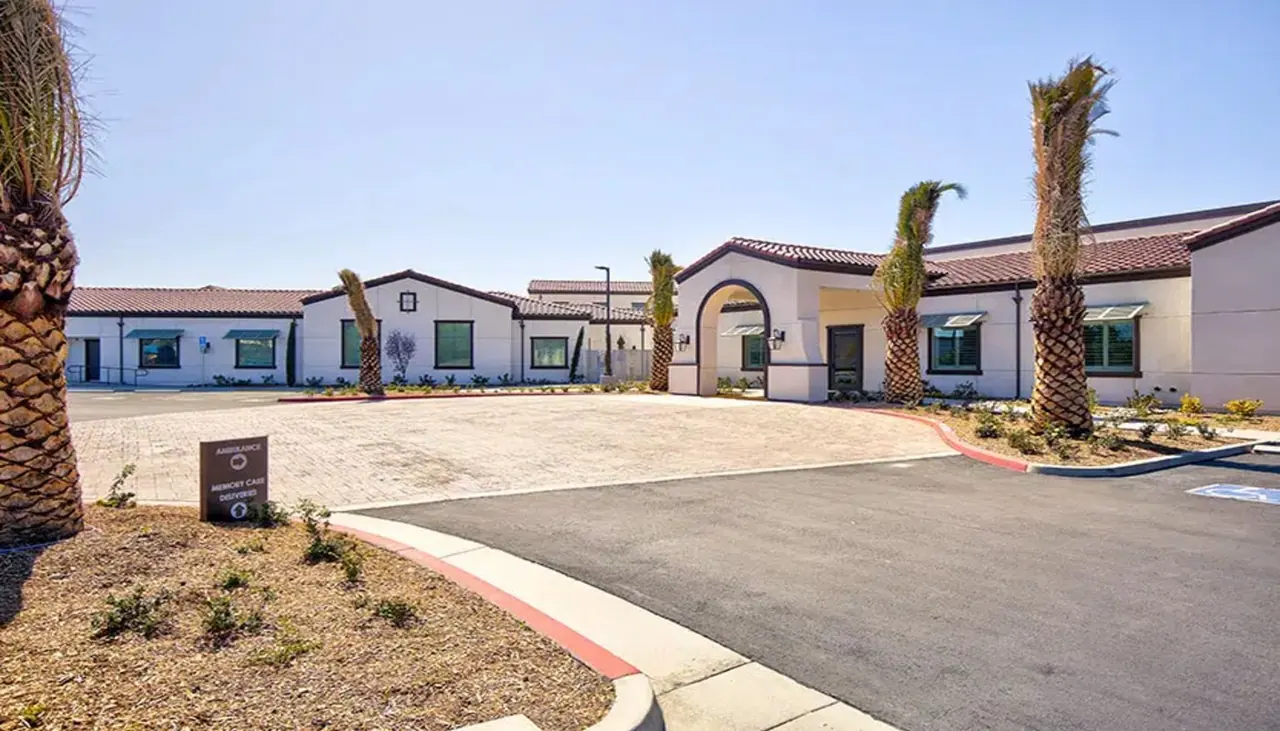
Temecula Recovery Center
Temecula Recovery Center is a Joint Commission accredited facility in Temecula.
Temecula, CA
28 days
- Joint Commission
- Detox
- Residential Rehab
-
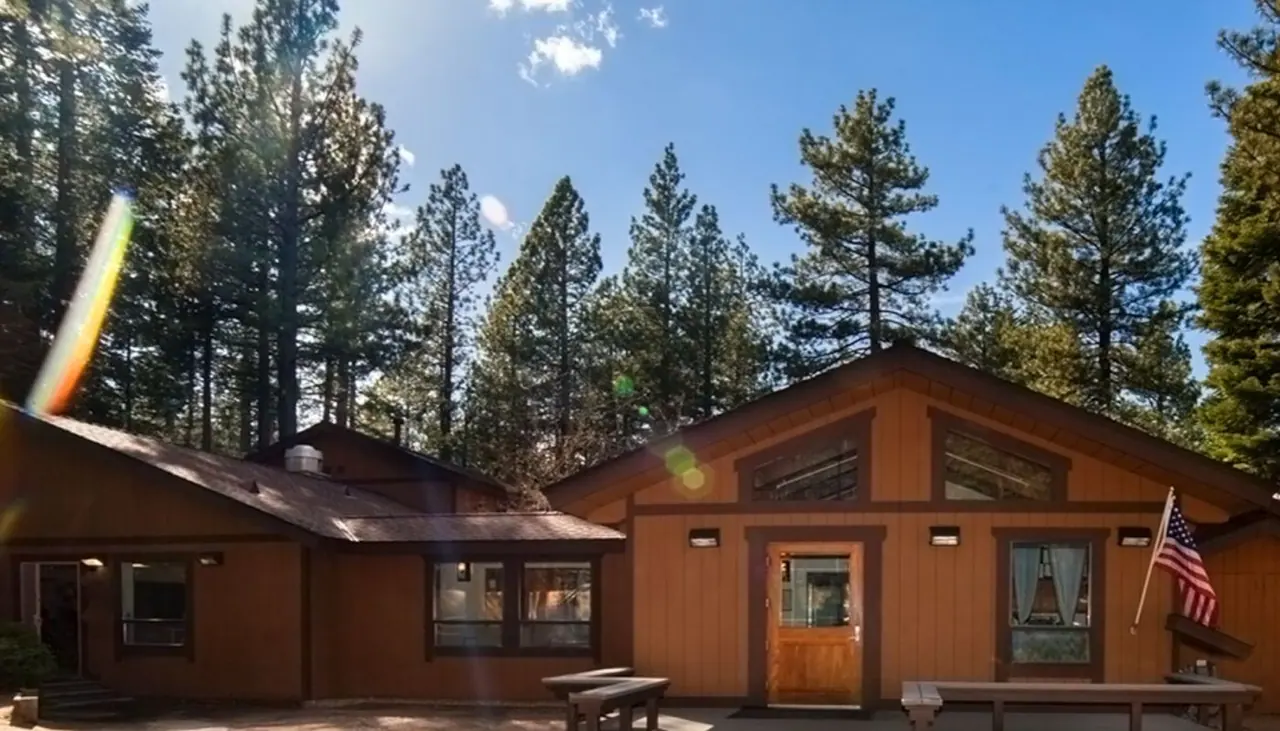
Elevate Addiction Services
This page describes what Elevate Addiction Services South Lake Tahoe offers adults seeking detox and mental health support.
South Lake Tahoe, CA
30 Days31-50 beds
- Joint Commission
- Detox
- Co-Occurring Mental Health

Levels of care in California rehab
For many people detox comes first, and 358 facilities in California offer it with medical supervision on hand. Medical detox at 358 SAMHSA-listed California facilities helps manage withdrawal safely. Stopping alcohol or benzodiazepines can be dangerous, so a clinician's involvement is essential. If you need detox, look for a program with 24/7 nursing and physician oversight. Residential rehab is offered at 351 facilities, providing structured treatment in a live-in setting. Residential rehab at 351 centers in California provides 24/7 support for severe disorders. If your home environment is not supportive, residential care may fit better. Partial hospitalization (PHP) is available at 183 facilities, with intensive daytime treatment several days a week. PHP at 183 rehab centers in California offers intensive daytime care without overnight stays. If you need structure but can live at home, PHP could work. Intensive outpatient (IOP) is offered at 387 facilities, with several therapy sessions each week. IOP at 387 treatment centers in California fits around work or school schedules. If your symptoms are mild to moderate and your home is stable, IOP may be appropriate. Standard outpatient care is available at 639 facilities for ongoing support. Outpatient programs at 639 facilities in California provide flexible counseling and medication management. If you are in early recovery or need step-down care, outpatient can help. At 605 facilities, including 129 methadone clinics, medication for opioid use disorder is offered. Medication for opioid use disorder at 605 California facilities includes buprenorphine and methadone. If you have an opioid use disorder, medication can reduce cravings and withdrawal. Telehealth is available at 711 facilities, which helps if you live far from a clinic or face transportation barriers. Telehealth at 711 California facilities brings treatment to you when distance is a barrier.

Calling the helpline
A trained treatment advisor, not a recording, answers the free 24/7 helpline. The free helpline is answered by referral specialists tied to licensed treatment programs in California. They will ask about your circumstances, which substances are involved, your insurance, and where you live. Calling the helpline is confidential and carries no obligation to enter treatment. If you are insured, the advisor can check which nearby facilities take your plan. Advisors can help you compare rehab options in California without pressure. They can explain levels of care, from detox at 358 facilities to outpatient at 639. If you are unsure what you need, they can clarify the differences. The helpline is free and confidential, and you can call at any time. In a crisis, call or text 988 for the Suicide & Crisis Lifeline. For immediate crisis support in California, call or text 988. If you need help with opioid use, the advisor can link you to buprenorphine providers. Buprenorphine is available at 605 facilities in California, and the helpline can help you find one. When you call on someone else's behalf, the advisor can suggest ways to support them.
California overdose data locally
In the 12 months ending May 2026, California recorded 8,250 overdose deaths, which is 12% lower than the preceding period. California's 8,250 overdose deaths reflect a 12% decline, yet the toll stays high. Opioids were involved in 4,710 deaths, a decrease of 14%. Opioid-related deaths in California dropped to 4,710, 14% below the prior year. Fentanyl played a role in 4,047 deaths, down 16%. Heroin was involved in 178 deaths, a 27% drop. Prescription opioids figured in 616 deaths, down 9%. Fentanyl appeared in 4,047 California deaths, a 16% decrease. Methamphetamine was involved in 4,784 deaths, down 14%. Cocaine figured in 1,397 deaths, up 4%. California cocaine deaths climbed to 1,397, a 4% rise. If drugs are part of your life or someone close to you is using, the local figures can guide you toward an appropriate level of care. Rehab in California grounded in evidence includes medication and therapy, which can lower overdose risk. If overdose is a concern, ask about naloxone distribution when you call.
| Drug | Past year | Prior year | Difference |
|---|---|---|---|
| All drug overdose cases | 8,250 | 9,327 | -12% |
| Opioid of any kind | 4,710 | 5,480 | -14% |
| Synthetic opioids incl. fentanyl | 4,047 | 4,797 | -16% |
| Diacetylmorphine | 178 | 244 | -27% |
| Opioids from a prescription | 616 | 678 | -9% |
| Crystal meth | 4,784 | 5,566 | -14% |
| Coke | 1,397 | 1,341 | +4% |
Rehab centers near California cities
Los Angeles has 64 listed facilities, San Diego has 39, San Francisco has 26, Fresno has 22, Sacramento has 19, Anaheim has 15, Costa Mesa has 14, and Long Beach has 13. Rehab centers in California are spread across major cities, with 64 in Los Angeles alone. If you live in a rural area, then telehealth at 711 facilities may expand your options. Treatment centers in California include 711 that offer telehealth for remote access. If transportation is difficult, then ask about telehealth when you call.


Choose a rehab program in four steps
Assess your needs
Consider which substances are involved, how long you have been using, and whether you have withdrawal symptoms. This helps determine if you need detox at one of 358 facilities or can start with outpatient care at 639 sites.
Check your insurance
Look at your insurance card and call the number on the back to ask about behavioral health benefits. Medicaid is accepted at 569 facilities, and private insurance at 597. The helpline can help you verify coverage.
Compare levels of care
Decide between residential (351 facilities), PHP (183), IOP (387), or outpatient (639). If you have a stable home and mild symptoms, outpatient may work. If you need 24/7 support, residential may be better.
Contact the program
Call the facility to ask about intake, wait times, and what to bring. Ask if they offer medications for alcohol or opioid use disorder, available at 429 and 605 facilities respectively. Trust your instincts about the staff.
Common questions
How long are inpatient programs in California?
California inpatient programs differ in duration; many residential rehabs run 28 or 30 days, and some go 60 or 90 days. The 351 residential facilities may each set different timeframes. How long is right for you hinges on your needs and how treatment progresses. Insurance might cover a set number of days. Ask the program what its usual length of stay is and how it decides when someone is ready to leave.
Does Medi-Cal pay for rehab in California?
Yes, Medi-Cal (California's Medicaid) covers substance use treatment, and 569 facilities in California accept Medicaid. Since the state expanded Medicaid, more low-income adults may qualify. Coverage includes detox, residential, outpatient, and medications. Some programs are in-network; others may require a single-case agreement. Call the helpline to check which facilities accept Medi-Cal and what documentation you need.
How much is 28 days in rehab in California?
The cost of 28 days in rehab in California varies widely by facility and level of care. We cannot provide specific dollar amounts, but options exist: 283 facilities offer sliding-scale fees, 170 offer financial assistance, and 16 charge no fee. Medicaid and private insurance are accepted at many programs. If you have insurance, your out-of-pocket cost depends on your plan's deductible and copays. The helpline can help you find affordable options.
What are the different types of rehab?
The main types are detox (358 facilities), residential (351), partial hospitalization (183), intensive outpatient (387), and standard outpatient (639). Medication-assisted treatment is available at 605 facilities for opioid use disorder and 429 for alcohol use disorder. The right type depends on the severity of the disorder, your home environment, and your schedule. Many people start with detox, then step down to outpatient care.
What are the major drug issues in California?
California's main drug concerns are methamphetamine (4,784 overdose deaths), opioids and fentanyl (4,710 deaths), cocaine (1,397 deaths), and alcohol. Fentanyl deaths numbered 4,047 in the 12 months through May 2026, a 16% decrease. Methamphetamine deaths were 4,784, down 14%. Cocaine deaths increased 4%, reaching 1,397. Facilities throughout the state treat all of these substances.
Where do people go for alcohol rehab in California?
Where alcohol is concerned, there are 279 detox facilities and 429 facilities offering medications for alcohol use disorder, including naltrexone or acamprosate. Options range from medical detox to residential care and outpatient programs. Which setting suits you comes down to whether withdrawal help is needed and how things are at home. The helpline can link you with California alcohol rehab that fits your needs and your insurance.