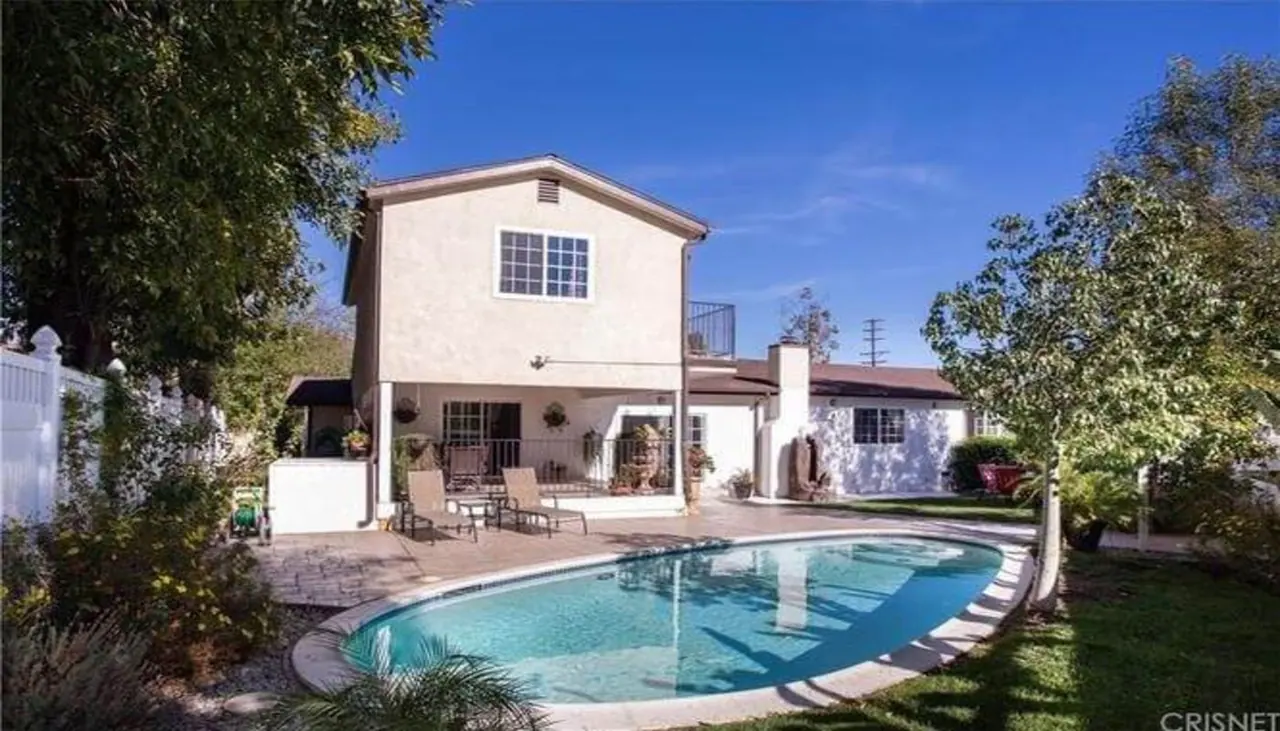
Destinations for Teens Hatteras House Woodland Hills
Destinations for Teens Hatteras House Woodland Hills serves adolescents in a residential setting. California has 947 SAMHSA-listed facilities; this one is in Woodland Hills. The helpline can explain coverage at no cost.
- Joint Commission
- Residential Rehab
- Co-Occurring Mental Health
- 45+ days
Destinations for Teens Hatteras House is a residential treatment setting in Woodland Hills built around adolescents in their early teens through seventeen. A good deal of the work centers on substance use happening alongside mental health conditions, and staff draw on a mix of clinical methods and creative outlets so teens have room to sort through difficult feelings and build steadier habits.
Groups modeled on AA, NA, and other peer support formats are part of the weekly routine, with teens practicing how to notice the situations and emotions that tend to precede use and how to answer them differently. Cognitive behavioral therapy anchors the clinical side, and the program folds in family sessions and education so parents are working from the same understanding of the plan.
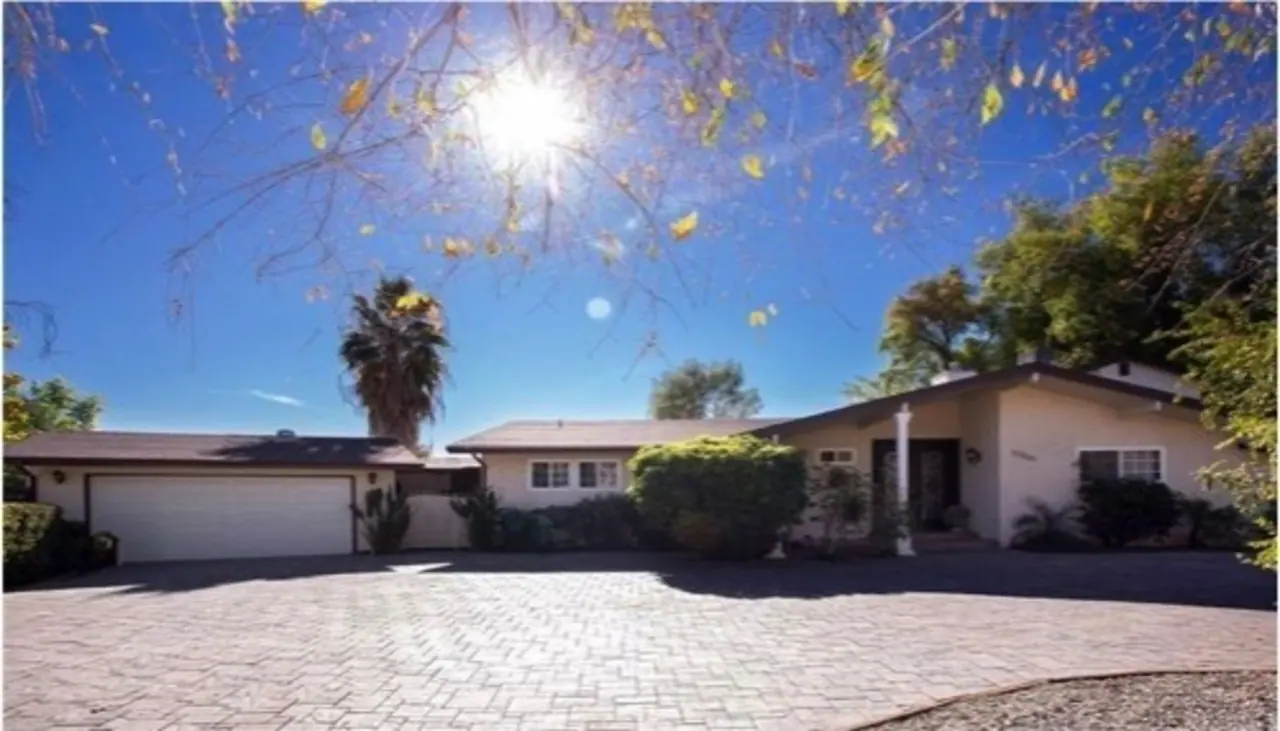
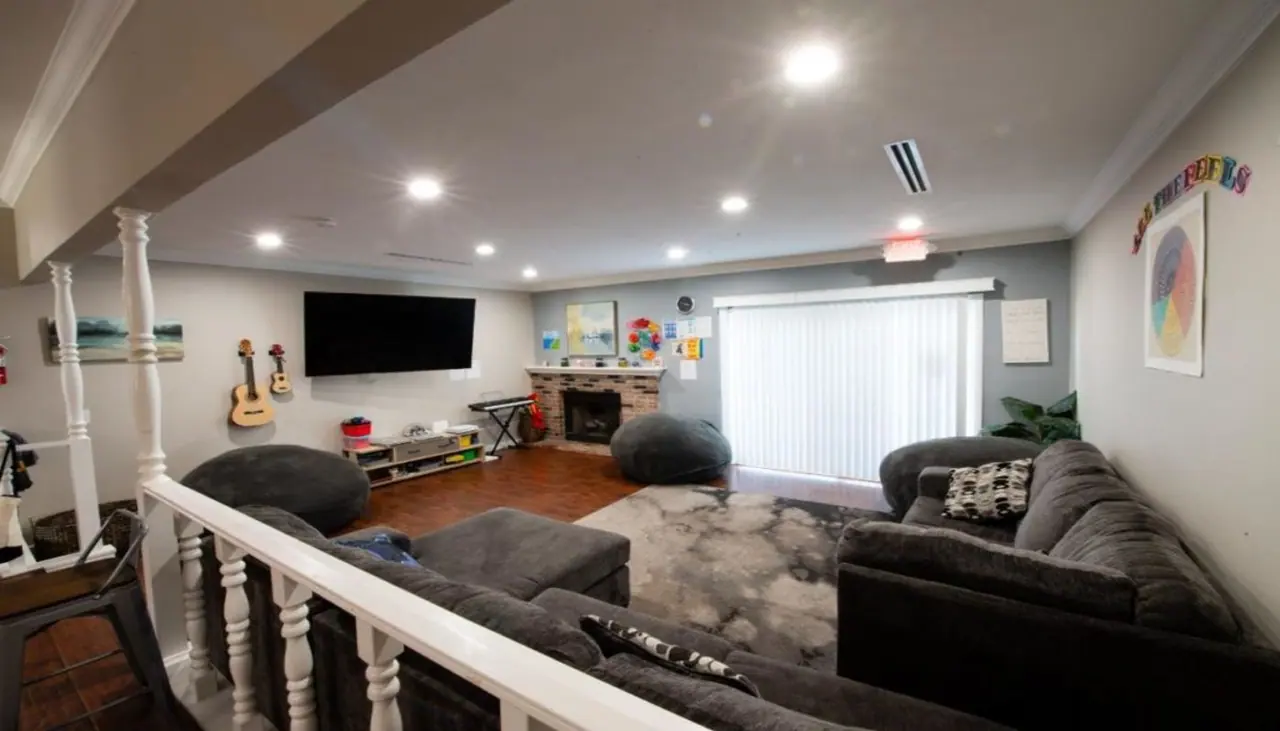
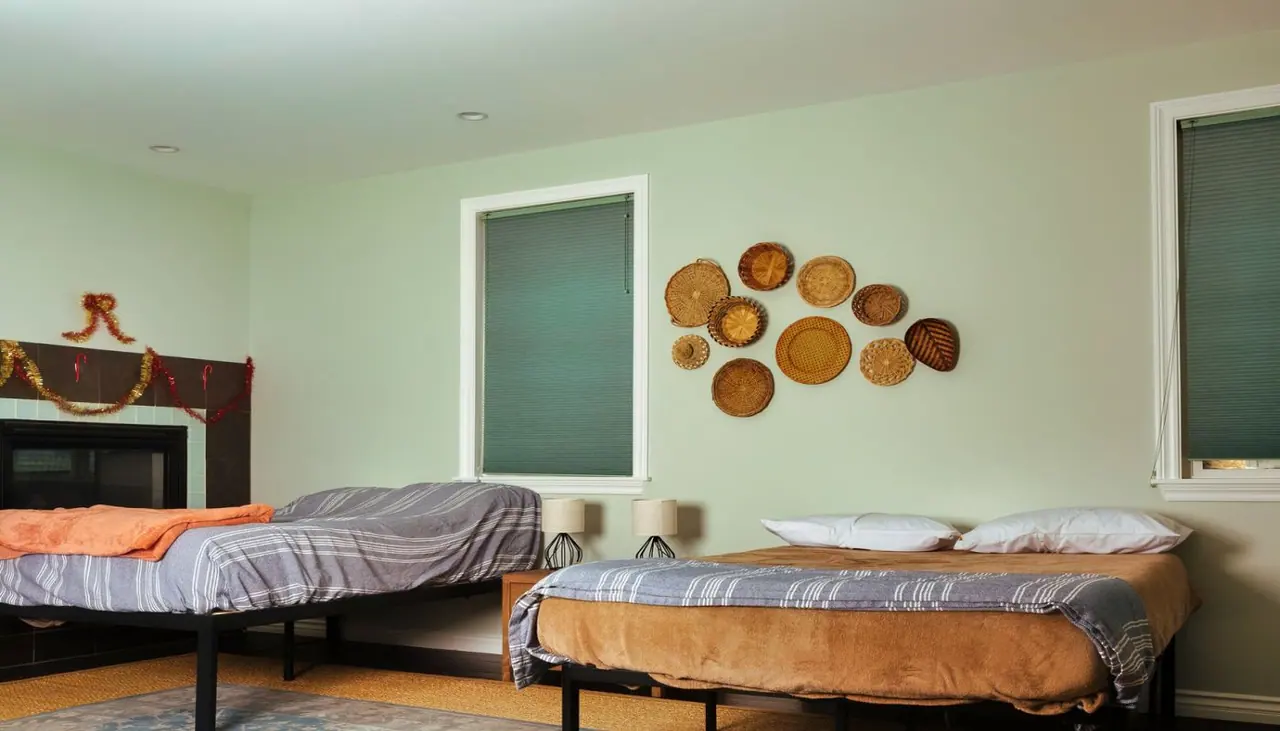
The setting itself is meant to feel less institutional than clinical, with shared rooms, common areas, and structured days that mix therapy with schoolwork and physical activity. Each teen follows an individualized residential plan, and discharge planning begins well before the last day so the return home is not abrupt.
Programs at Hatteras House
Residential rehab is the core level of care here, and the program runs 45 days or longer depending on how a teen progresses. Co-occurring mental health treatment is woven in rather than handled separately, which matters for teens whose anxiety, depression, or trauma symptoms sit right alongside substance use. Destinations for Teens Hatteras House in Woodland Hills combines residential rehab with mental health conditions that occur alongside addiction for teens.
Available therapies include individual counseling, group therapy, family therapy, cognitive behavioral therapy, art therapy, narrative therapy, solution focused work aimed at goals, psychoeducation, and twelve step facilitation. Staff describe the approach as evidence-based and experiential, and family involvement is treated as a clinical component rather than an extra. Families comparing adolescent addiction treatment in California can ask how each of these nine therapies is scheduled.
If a teen's substance use involves benzodiazepines or opioids, then a clinician should assess withdrawal risk before residential admission is finalized, because those withdrawals can be dangerous without medical oversight.
- Twelve Step
- Cognitive Behavioral Therapy
- Evidence-Based
- Group Therapy
- Narrative Therapy
- Solution Focused, Goal-Oriented Therapy
- Psychoeducation
- Experiential
- 1-on-1 Counseling
- Family Therapy
Who this program is for
- Adolescents ages 12 to 17, including boys and girls
- Teens who have a co-occurring mental health condition together with a substance use disorder
- Teens working through anger, anxiety, bipolar disorder, codependency, depression, grief, or loss
- Teens affected by post traumatic stress disorder, self-harm, or suicidality
- Teens whose substance use involves opioids, benzodiazepines, cocaine, heroin, marijuana, methamphetamine, or synthetic drugs
How setting and schedule appear
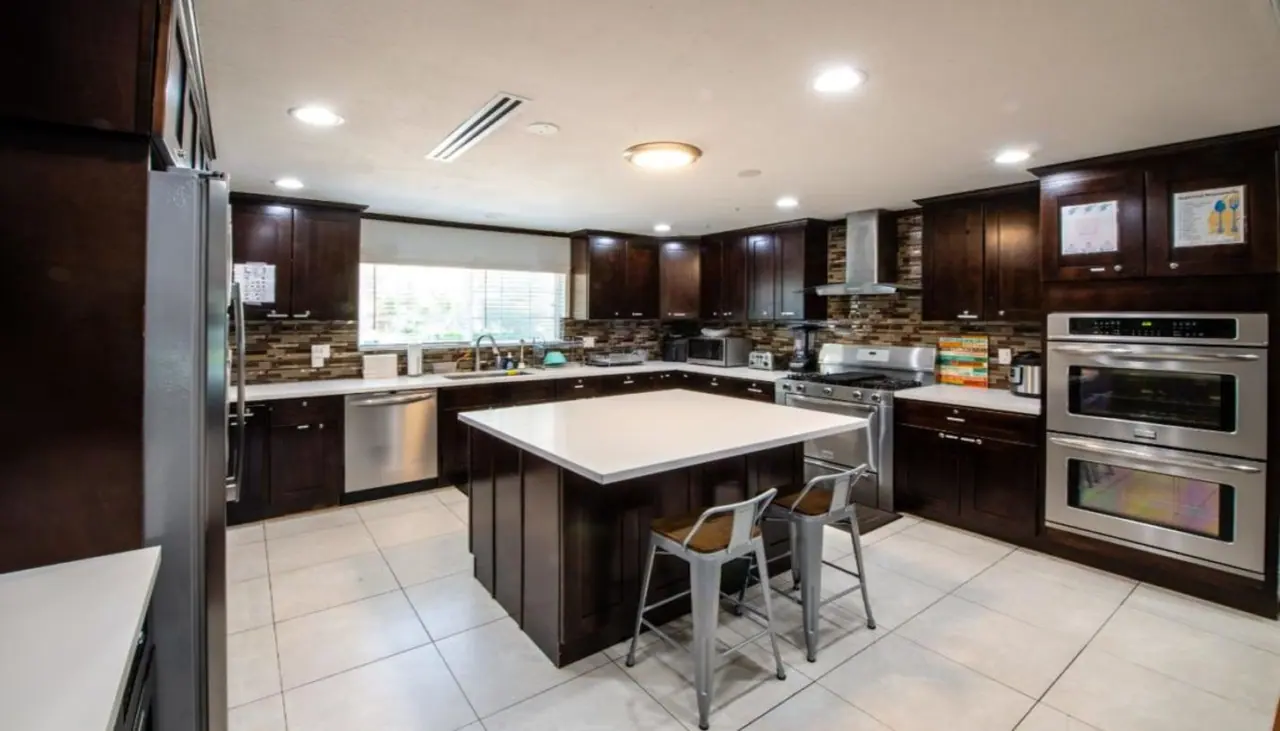
The house holds a small group, in the range of 6 to 15 beds, and stays run 45 days or more. Teens typically share a room with a peer, and the property includes a pool, outdoor lounge, recreation room, fitness center, and access to nature, along with chef-prepared meals that can accommodate dietary needs. Structured academics, virtual learning through GED and college preparation, life and vocational skills training, and a work center are part of the weekly schedule, balanced with yoga, physical fitness, and AA or NA meetings. The program is offered in English. If your teen needs to keep up with school during residential rehab in Woodland Hills, then ask how the academic block is structured.
- Chef-prepared Meals
- Internet Access
- Recreation Room
- Outdoor Lounge
- Pool
- Access to Nature
- TV
- Fitness Center
Paying for teen residential treatment
This center offers cash pay rates, and families should confirm any other payment arrangements with the program directly. Insurance plans differ widely in their coverage for adolescent residential care, so ask the program to verify your particular policy before you commit to a start date. The helpline can help you consider which questions to ask, and calling costs nothing. When you call the helpline about teen residential rehab in Woodland Hills, then you can ask which coverage questions to raise with the program. Ask about coverage for teen residential rehab in Woodland Hills before scheduling an intake.
Questions to ask before admission
- How is the individualized residential plan built, and how often is it reviewed with the family?
- What academic support is available, and will schoolwork transfer back to my teen's district?
- In what ways are co-occurring conditions such as depression or anxiety treated together with substance use?
- What does aftercare look like, including in-person and online follow-up sessions?
- How does the program handle a teen who arrives with benzodiazepine or opioid use, and who oversees that care?


Other centers in Woodland Hills
-
Psyclarity Health
Psyclarity Health Woodland Hills is a Joint Commission-accredited center in California.
Woodland Hills, CA
30 days6-15 beds
- Joint Commission
- Outpatient
- Co-Occurring Mental Health
-
Launch to Wellness
5.0/5113 Google reviews
Launch to Wellness Woodland Hills provides outpatient care in Los Angeles County.
Woodland Hills, CA
90 days
- Joint Commission
- Outpatient
- Co-Occurring Mental Health
-

Vanity Wellness Center
4.9/5107 Google reviews
Vanity Wellness Center is a treatment center accredited by the Joint Commission, located on Ventura Boulevard.
Woodland Hills, CA
30 days6-15 beds
- Joint Commission
- Detox
- Outpatient
- Co-Occurring Mental Health
-

Iris Healing Center
4.8/516 Google reviews
Iris Healing Center Woodland Hills is a residential California rehab in the San Fernando Valley.
Woodland Hills, CA
30+ days6-15 beds
- Joint Commission
- Detox
-

Hillside Recovery
4.8/516 Google reviews
This page covers a single California center, Hillside Recovery in Woodland Hills.
Woodland Hills, CA
45 Days6-15 beds
- Joint Commission
- Detox
-

Zen Recovery Center
Zen Recovery Center Woodland Hills provides detox and residential addiction treatment.
Woodland Hills, CA
30 days
- Joint Commission
- Detox
- Residential Rehab
- Co-Occurring Mental Health
Good to know
How long is the program at Destinations for Teens Hatteras House Woodland Hills?
The typical stay is 45 days or more, and the exact length depends on how each teen progresses through the individualized residential plan. Because the house holds between 6 and 15 beds, schedules and peer groups stay small. If your insurance or your teen's school calendar shapes timing, then ask the program to verify coverage and walk through the academic plan before you set a start date.
What does Destinations for Teens Hatteras House Woodland Hills treat?
Adolescents between 12 and 17 receive care here for substance use together with mental health conditions that occur alongside it; substances listed include opioids, benzodiazepines, cocaine, heroin, marijuana, methamphetamine, and synthetic drugs. Among the conditions in scope are anxiety, depression, bipolar disorder, post traumatic stress disorder, grief, self-harm, and suicidality. Since withdrawal from benzodiazepines or alcohol can be medically dangerous, a clinician should evaluate your teen before any residential admission is finalized.
Is Destinations for Teens Hatteras House accredited?
Yes. Joint Commission accreditation has been held by this center since 2012, giving families a recognized standard to check when comparing adolescent programs. When you call, ask how that accreditation is maintained and what the program's California licensing looks like. Accreditation speaks to process and safety standards rather than outcomes, so pair it with questions about staffing, supervision, and how the clinical team makes decisions.
How do families stay involved during treatment?
Family members are part of things from the outset: at orientation, parents are introduced to everyone on the treatment team, which happens once a thorough evaluation is complete. Family therapy and educational sessions keep going for the length of the stay, and after discharge there is family follow-up counseling along with follow-up sessions that can be attended in person or online. When travel distance or job schedules get in the way, it is worth asking which virtual alternatives the program can offer; the helpline is a good place to sort through what to ask for.
Does insurance cover teen residential rehab at this center?
What insurance covers depends on your specific plan, and the facility notes self pay pricing as a possibility; families should have the program verify benefits by phone before a start date. If you are unsure what to ask, the helpline can suggest questions about authorization and length of stay. California's 947 SAMHSA-listed facilities vary in what they accept, so compare before deciding.