
Rehab for pregnant women California
Choices about treatment deserve extra care when someone is pregnant or a new parent. Across California, 365 programs listed by SAMHSA say they serve pregnant and postpartum women. This guide covers levels of care, insurance questions, and what to ask before you make the call.
- care options in California
- 365
- take Medicaid
- 254
Pregnancy changes how addiction treatment needs to work. Someone who is pregnant may need medical supervision during withdrawal, a schedule that fits prenatal appointments, and a plan for infant care. SAMHSA FindTreatment.gov listings show 947 total facilities in California, and 365 of them report serving pregnant and postpartum women. That figure is not an endorsement of any single program, but it narrows a very large field to a workable list.
Two practical questions usually decide the next step: what level of care fits, and who pays. Many listed programs are outpatient, so visits can fit around prenatal checkups and work. Others offer residential care, which can matter when home is not a stable place to recover. Insurance comes next, and a free helpline can walk through Medicaid and private coverage without pressure or obligation.

Why rehab for pregnant women California
Programs designed for pregnancy and early parenthood matter because ordinary schedules often leave out prenatal visits, infant care, and the stigma a pregnant person may meet when seeking help. California treatment centers serving pregnant women often pair prenatal care with addiction treatment, and asking each one about that directly is worthwhile. Clinical oversight counts for more here, especially for alcohol and benzodiazepine withdrawal, which can be dangerous and belongs with clinicians.
If a program has no plan for child care or prenatal appointments, then attendance becomes harder to sustain and early recovery suffers. Rehab for pregnant women California options include residential and outpatient programs, so the fit depends on medical need and home circumstances rather than on a single standard. No one should have to choose between care for themselves and care for a pregnancy.
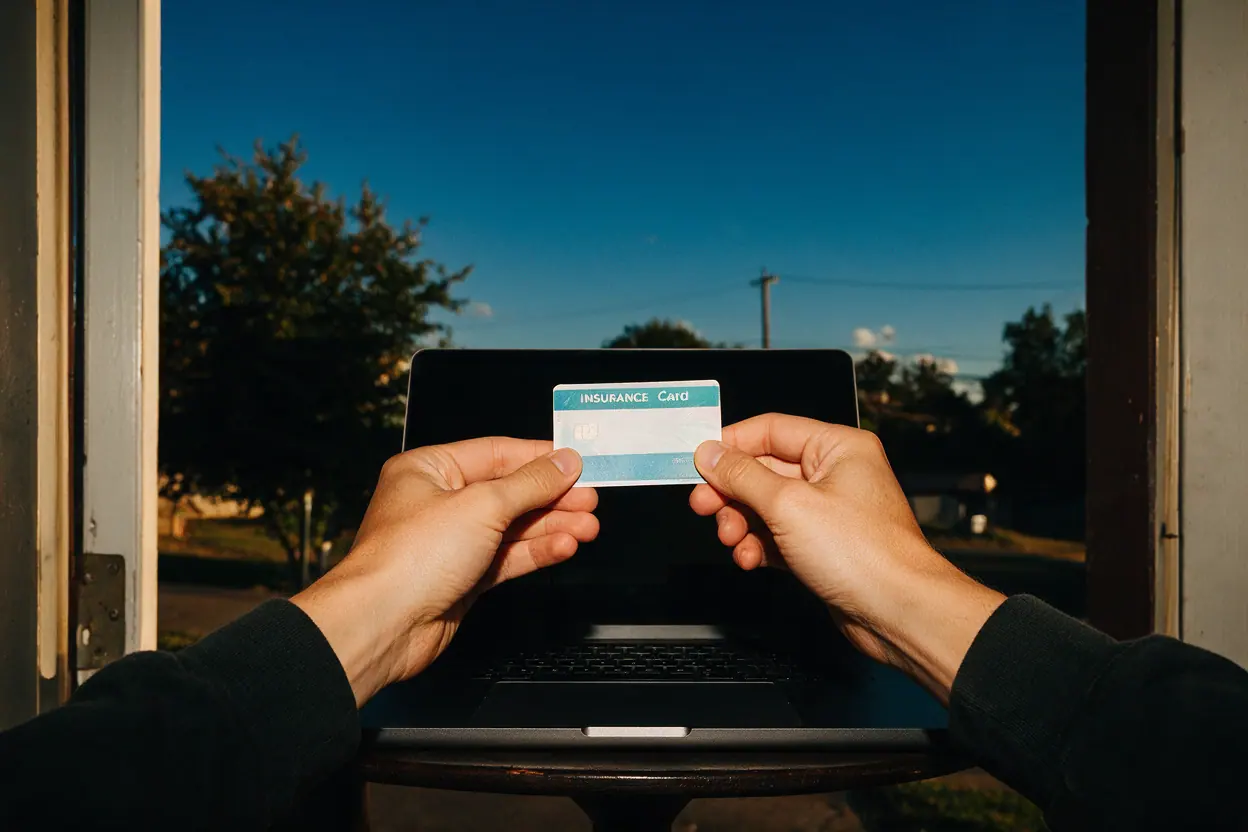
Asking a rehab for pregnant women
- Does the program coordinate with prenatal care, and can it accommodate appointments and infant care?
- Which levels of care are offered, and is medical supervision available for alcohol or benzodiazepine withdrawal?
- Does it accept Medicaid or private insurance, and what would the plan actually cover for this level of care?
- Is the program licensed and accredited, and which body checks it? Ask for the name and verify it.
How many rehab for pregnant women
Of the 947 SAMHSA-listed facilities in California, 365 report serving pregnant and postpartum women; 96 list residential care, 275 list outpatient services, and 254 report accepting Medicaid, with the same number reporting private insurance. SAMHSA-listed rehab centers in California include 96 residential programs for pregnant women, which matters when a safe place to stay during early recovery is the deciding factor. If a listing says Medicaid or private insurance is accepted, then confirm the specific level of care before you plan around it, because a listing does not promise an open bed or a covered stay. Call the program to check both.
- take Medicaid
- 254
- accept private plans
- 254
- take Medicare
- 194
- provide sliding-scale pricing
- 156
| Location | Town | Offers | Takes |
|---|---|---|---|
| Narcotics Prevention Association Inc | Los Angeles | Detox, IOP, Outpatient, OTP | Medicaid, Medicare, Sliding fee |
| Mela Counseling Services Center Inc | Los Angeles | IOP, Outpatient | Medicare, Sliding fee |
| Behavioral Health Services | Los Angeles | IOP, Outpatient | Medicaid, Medicare, Insurance |
| Evexia Health Services | Corona | Detox, Outpatient, OTP | Medicaid, Medicare, Insurance |
| AMATA LLC | Corona | Detox, Outpatient, OTP | Medicaid, Medicare, Insurance, Sliding fee |
| Caring Hands Recovery LLC | Corona | Detox, Residential | Insurance |
| Western Pacific Re Hab | Costa Mesa | Detox, Outpatient, OTP | Medicaid, Medicare, Insurance, Sliding fee |
| Center for Integrated Family/Health | Covina | IOP, Outpatient | Medicaid, Medicare |
Good to know
Does Medi-Cal pay for rehab in California for pregnant women?
Medicaid may pay for treatment, though only the program itself can verify that. Among the 365 California programs serving pregnant and postpartum women, SAMHSA listings show 254 report they take Medicaid. California calls its Medicaid program Medi-Cal, and coverage turns on the level of care plus the particular program. Instead of presuming a stay is covered, check with both the program and your health plan, and try to get the answer in writing.
How long are inpatient programs for pregnant women?
Treatment length differs from one program to the next, so ask each one instead of assuming a standard number. Of the 365 California programs for pregnant and postpartum women, 96 say in the listings that they offer residential care. Depending on medical need and how a program is set up, residential stays usually run over a period of weeks to months. A program ought to tell you its expected length before you agree to admission.
Is detox safe during pregnancy?
Detox while pregnant calls for a clinician's involvement, and every program should explain how it handles that. Because quitting alcohol or benzodiazepines may be risky, a clinician ought to be involved; this guide offers no guidance on dosing or tapering. Ask whether the program keeps medical staff on site or partners with a provider who does. SAMHSA listings show which facilities offer detox services.
What are the different types of rehab for pregnant women?
The main split is residential and outpatient. Of the 365 California programs serving pregnant and postpartum women, 275 list outpatient services and 96 list residential care; many offer more than one. Residential provides housing and structure, while outpatient keeps people at home and often costs less. Which fits depends on medical needs, home circumstances and child care.
Can I bring my baby to treatment?
That depends on the program, so ask before you apply. SAMHSA's listings identify programs serving postpartum women, but whether a facility allows an infant to stay is program-specific. Some residential programs accommodate mothers and infants, while others arrange child care nearby. Have this conversation early, because it can shape which level of care is realistic for you.