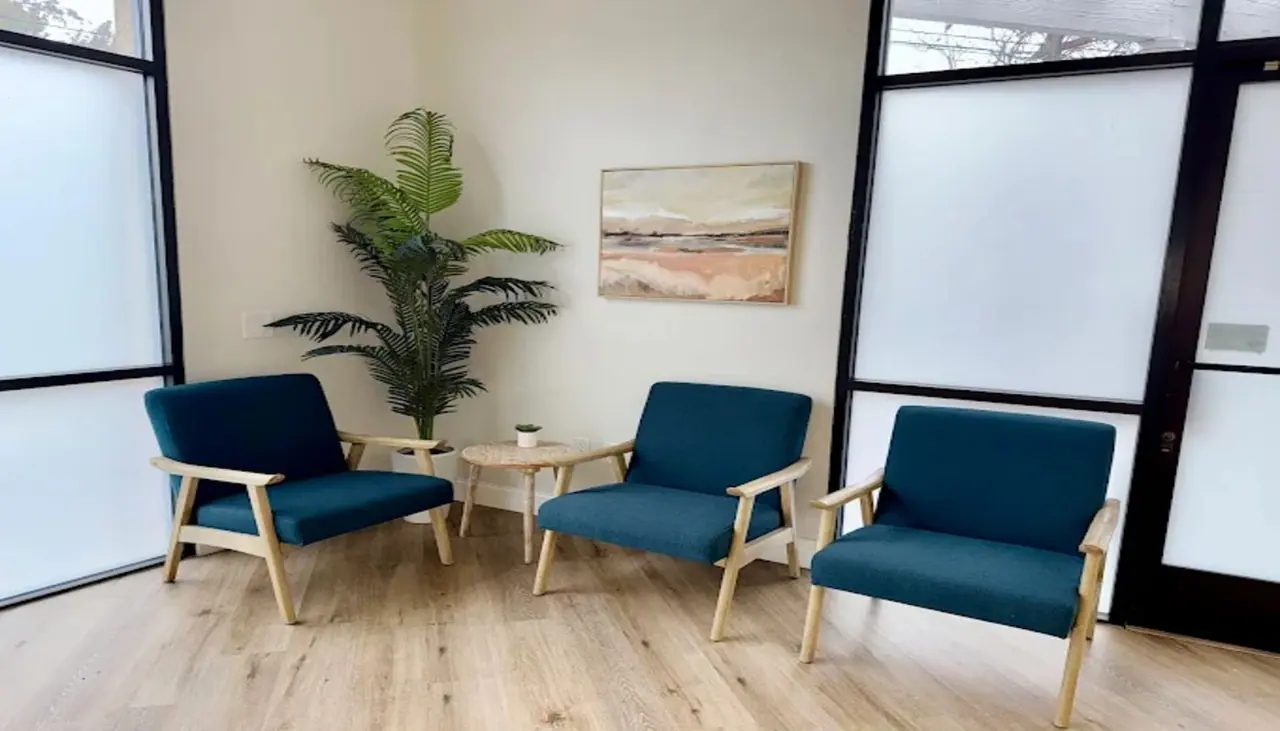
Evolve teen outpatient treatment center san jose
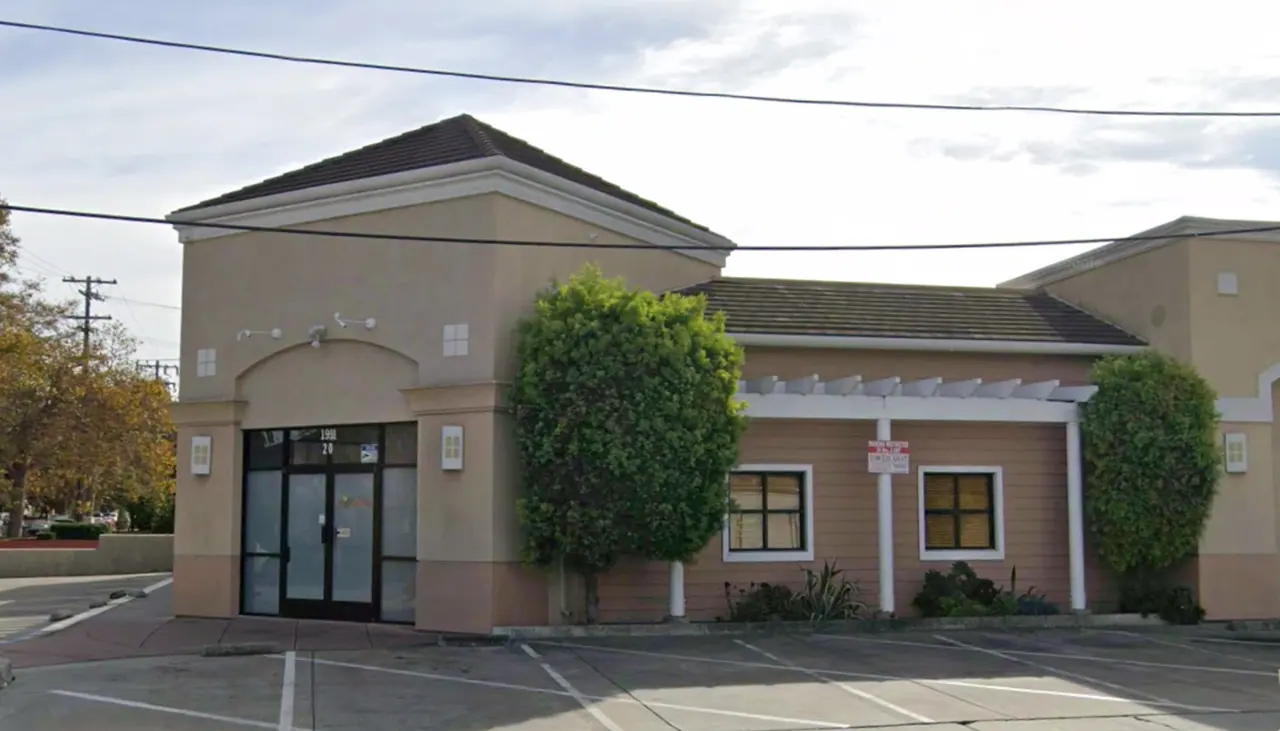
Evolve Teen Outpatient Treatment Center San Jose sits on Park Ave. The program has held Joint Commission accreditation since 2014. Teens attend PHP or IOP while living at home.
- Joint Commission
- Outpatient
- 90 days
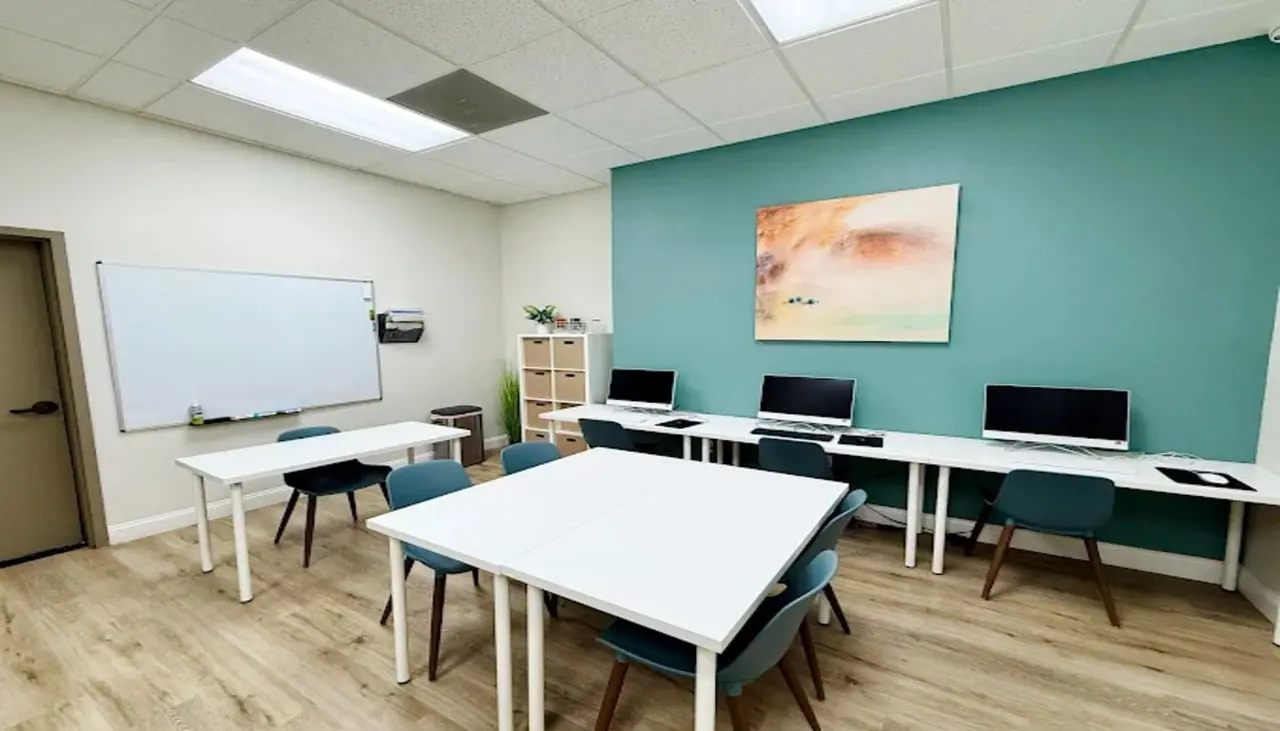
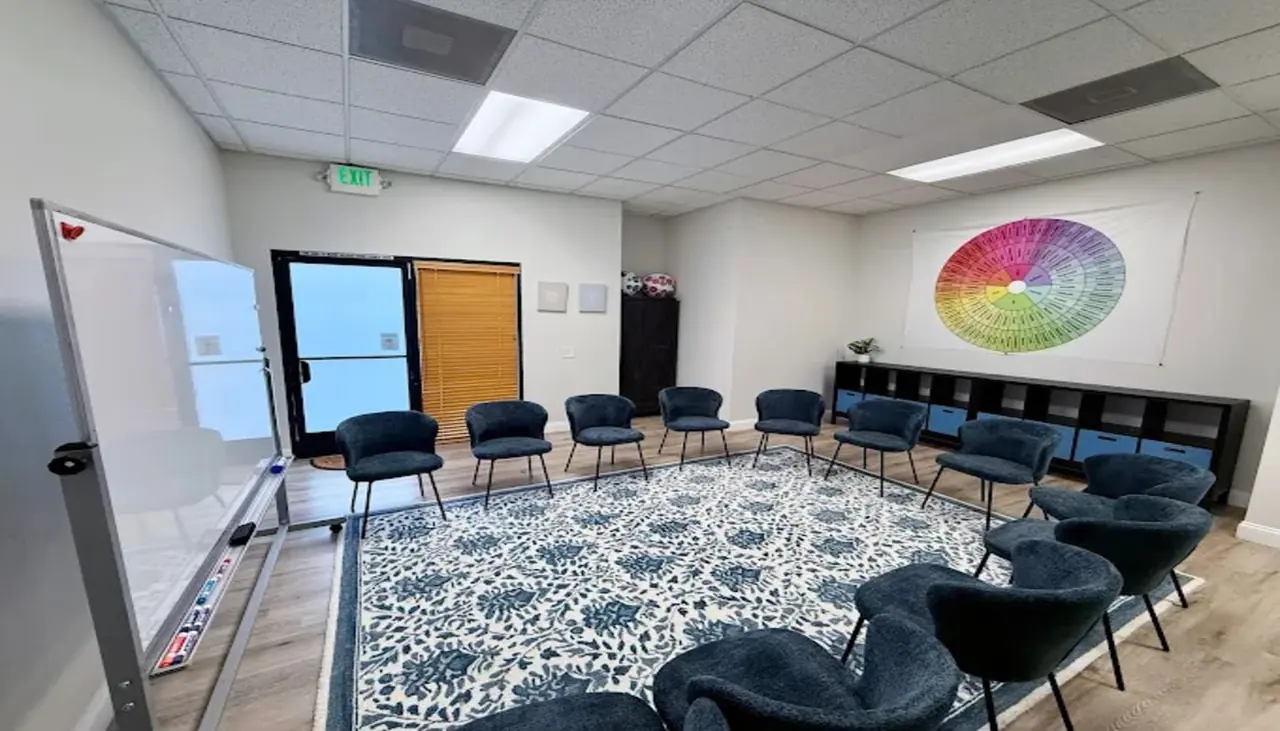
Evolve Teen Outpatient Treatment Center San Jose serves adolescents ages 12 to 17 who need structured substance use and mental health services without living at a facility. The program opened in 2014 and holds Joint Commission accreditation, which families can check directly with the accreditor. Teens attend on a scheduled basis while continuing to live at home, and clinicians build an individualized plan after a detailed intake assessment.
The clinical team includes master's-level clinicians, interns, primary therapists, counselors and recovery coaches, according to the program's own description. Care blends evidence-based and skills-based methods, and families are treated as part of the process rather than as spectators. Plans are reviewed and adjusted as a teen's needs and goals change.
Two levels of intensity are offered, so a teen can begin at the level matching their current needs and move down as things stabilize. The setting is small, with 16-30 beds reported, and the program is built to keep teens safe while they address mental health and substance use concerns together.
Two levels of care at Evolve San Jose
Evolve Teen Outpatient Treatment Center San Jose provides care at two levels: an intensive outpatient program and a partial hospitalization program. The PHP is the more intensive of the two, with a full day of programming on five days each week. The IOP fits teens who live at home and attend school, involving about three hours of treatment on three to four days per week. Both levels are listed as outpatient care for teens in San Jose, California. When a teen is stepping down from residential care, the IOP schedule can keep regular school attendance going while maintaining structure.
Counseling options span individual sessions, cognitive behavioral therapy, family work, group sessions, motivational interviewing and enhancement therapy, psychoeducation, Seeking Safety, solution focused goal oriented therapy and art therapy. The methods are described as evidence-based, strengths-based and family-involved. Aftercare planning covers discharge planning and relapse prevention, and the schedule may include experiential work such as art therapy. When a teen needs more care than this center offers, the helpline can help families ask about other options in California.
- Psychoeducation
- Seeking Safety
- Group Therapy
- Strengths-Based
- Family Involvement
- Evidence-Based
- 1-on-1 Counseling
- Cognitive Behavioral Therapy
- Individual Treatment
- Family Therapy
Who this teen program is built for
- Adolescents ages 12 to 17, including boys and girls
- Teens identifying as LGBTQ+
- Neurodivergent teens, including those with high-functioning autism spectrum disorder alongside a co-occurring concern
- Teens with anxiety, depression, OCD, PTSD, personality disorders, grief and loss, stress or suicidality
- Teens dealing with alcohol, marijuana, drug addiction or co-occurring disorders
- Teens who need a structured level of care while living at home
Setting, size, and program length
Most teens stay about 90 days, and the program reports 16-30 beds across its levels of care. The San Jose setting offers access to nature, a library and a recreation room. Air-conditioned rooms, bathroom essentials, housekeeping and snacks are among the personal amenities, and activities include alternative meetings, games, reading and yoga. Care is delivered in English. When a family needs a shorter or longer stay, the clinical team reviews the plan and adjusts it as goals change.
- Access to Nature
- Recreation Room
- Library
Paying for care at Evolve San Jose
Payment options feature cash pay rates, and the helpline can help families ask about insurance and verify coverage with the center before committing to anything. Coverage for outpatient substance use and mental health care varies by plan, so confirming benefits by phone is worth doing. A call to the helpline costs nothing, stays private and commits the caller to nothing. If a plan denies coverage, a family can ask for its criteria in writing before deciding what to do next.
Questions for this center in San Jose
- Does my teen's plan cover PHP or IOP here, and what is the copay?
- How often each week would my teen attend, and what does a typical day involve?
- Who leads the intake assessment, and how often are treatment plans reviewed?
- When do family sessions take place, and what do parents need to do?
- What does discharge and relapse prevention planning include at the end of the 90 days?

More programs for comparison
-
Evolve Teen Treatment Center
Evolve Teen Treatment Center Walnut Creek is a residential program for teens.
Walnut Creek, CA
45 days6-15 beds
- Joint Commission
- Detox
- Residential Rehab
-

West Coast Recovery Centers
West Coast Recovery Centers Carlsbad is an outpatient program on Grand Avenue.
Carlsbad, CA
30 days31-50 beds
- Joint Commission
- Outpatient
- Co-Occurring Mental Health
-

Spark To Recovery
Spark to Recovery Cardiff by the Sea is a licensed program in Cardiff, California.
Cardiff By The Sea, CA
90 days6-15 beds
- Joint Commission
- Detox
- Co-Occurring Mental Health
-
Vitalize Shaw & 41
Vitalize Shaw & 41 Fresno is an outpatient clinic located in Fresno, California.
Fresno, CA
90 days
- Joint Commission
- Outpatient
- Co-Occurring Mental Health
-
Temecula Recovery Center
Temecula Recovery Center is a Joint Commission accredited facility in Temecula.
Temecula, CA
28 days
- Joint Commission
- Detox
- Residential Rehab
-
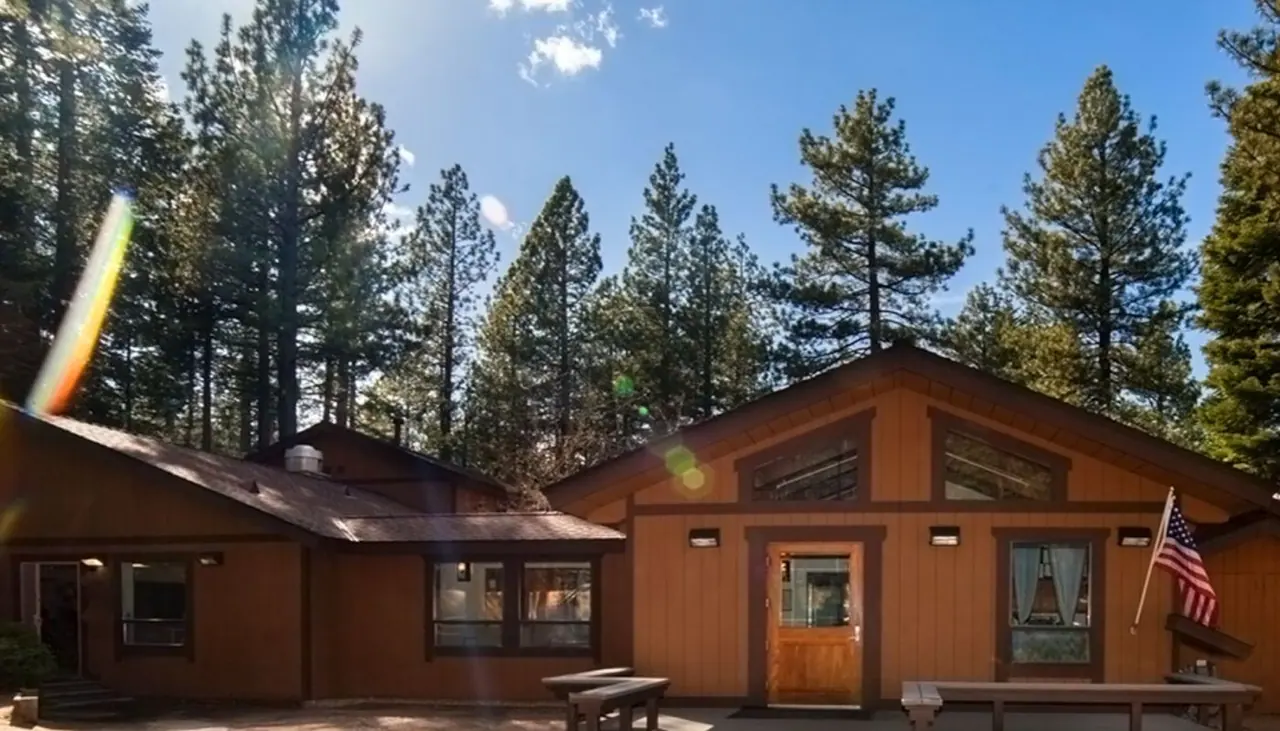
Elevate Addiction Services
This page describes what Elevate Addiction Services South Lake Tahoe offers adults seeking detox and mental health support.
South Lake Tahoe, CA
30 Days31-50 beds
- Joint Commission
- Detox
- Co-Occurring Mental Health
Good to know
What is Evolve Teen Outpatient Treatment Center San Jose?
Based in San Jose, California, this outpatient program carries Joint Commission accreditation and serves adolescents ages 12 to 17. It has operated since 2014 and offers care at two levels: an intensive outpatient program and a partial hospitalization program. Both substance use plus mental health conditions are treated, including cases where the two occur together, and the program describes its methods as evidence-based with family participation. A typical stay for teens lasts around 90 days.
How long are the programs at this center?
Most teens stay about 90 days, though plans are reviewed and adjusted as a teen's needs change. The partial hospitalization track runs a full day five days per week. The intensive outpatient track is about three hours, three to four days weekly. When a family needs a shorter or longer stay, the clinical team reviews the plan and adjusts it.
Does Medi-Cal pay for rehab in California, and what should families check here?
Medi-Cal covers some substance use and mental health treatment in California, but the level of care covered depends on the plan and the clinical assessment. This program lists cash pay rates, so families should ask the center directly about insurance and confirm benefits by phone. The helpline can help with that call at no cost and with nothing owed.
Why do people typically seek treatment, and does this program treat those needs?
Frequent reasons include substance use that has started to affect school, family or health, and mental health conditions that occur alongside addiction such as anxiety, depression or PTSD. This program in San Jose treats alcohol, marijuana, drug addiction and co-occurring disorders, alongside conditions including OCD, personality disorders, grief and loss, stress and suicidality. It serves teens ages 12 to 17.
What are the different types of rehab, and what does this center offer?
Care ranges from inpatient and residential programs to outpatient levels such as PHP and IOP. This center offers outpatient care only, structured as a partial hospitalization program five days weekly or an intensive outpatient program three to four days weekly. Teens live at home and continue school where possible. The helpline can explain how these levels differ.