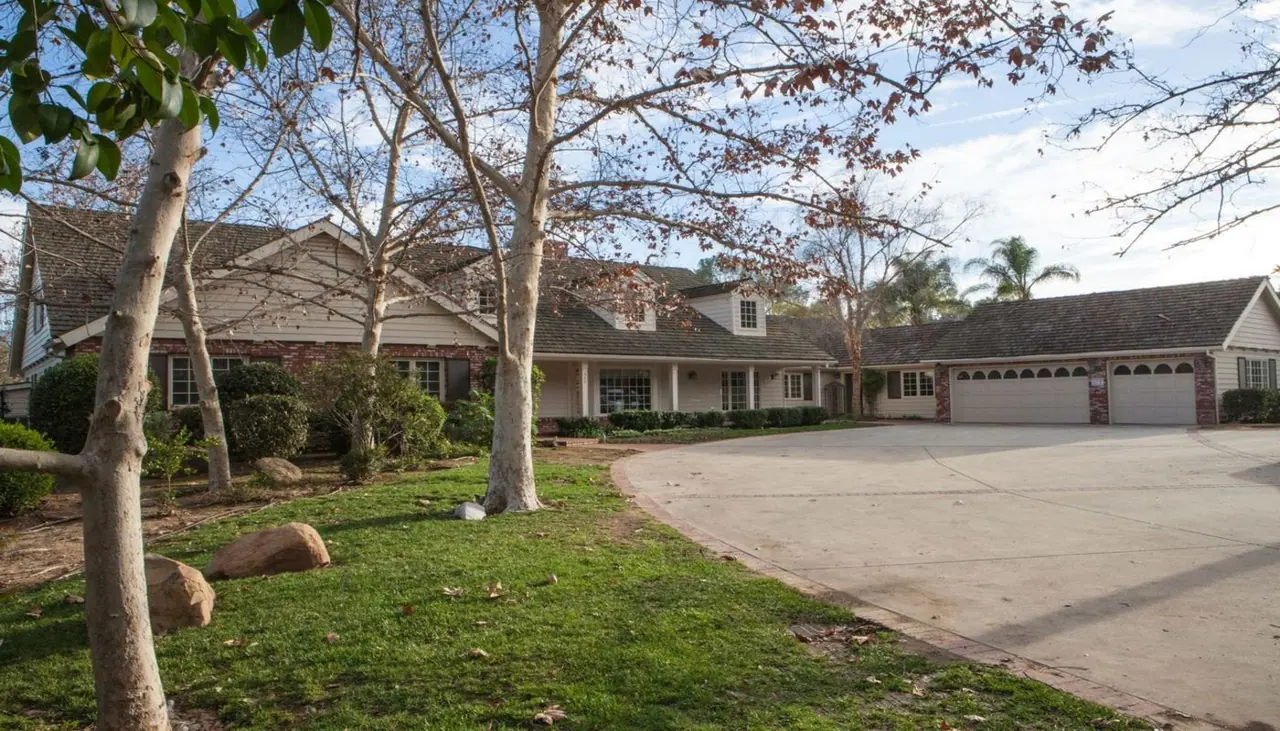
Evolve Teen Treatment Center Ojai
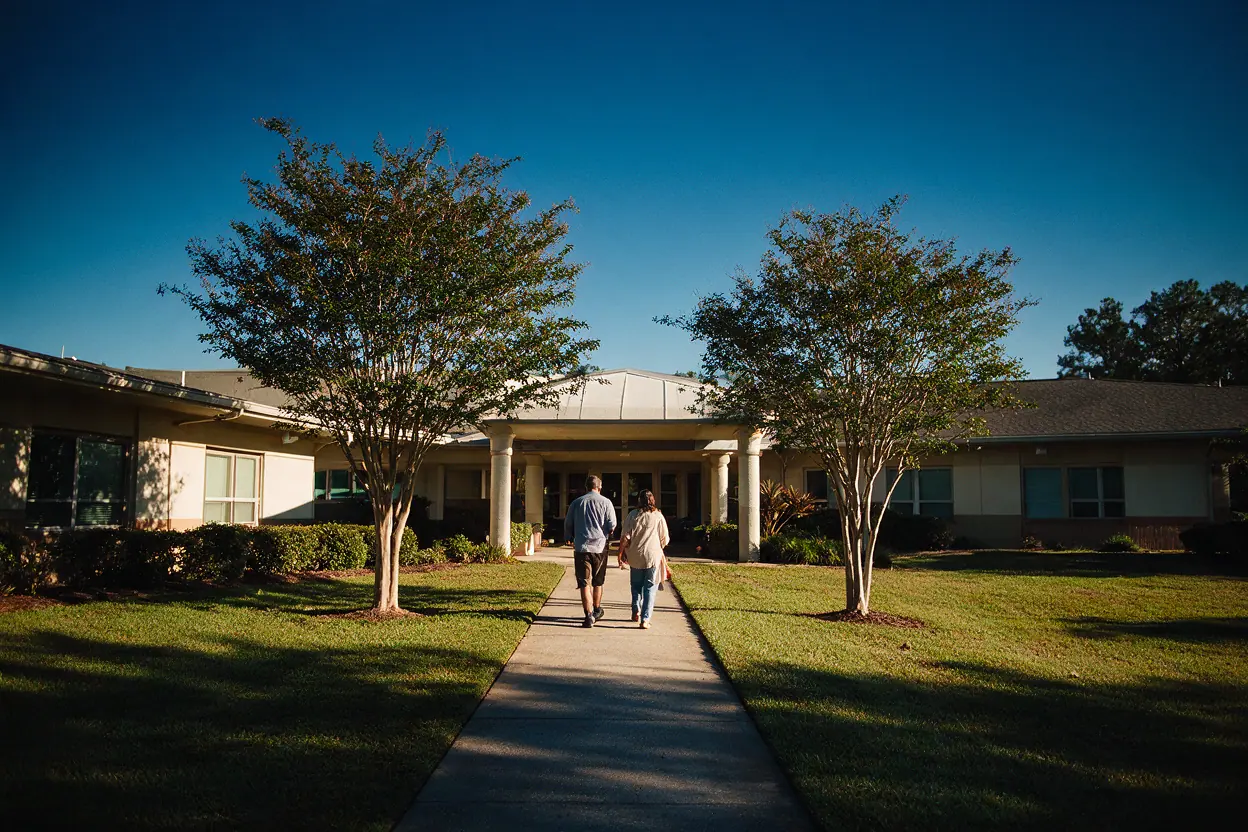
Evolve Teen Treatment Center Ojai is a residential program for adolescents on Quail Oaks Drive. It holds 6 to 15 beds and runs 45 days typically, with detox listed. Families often call about coverage first.
- Joint Commission
- Detox
- Residential Rehab
- 45 Days
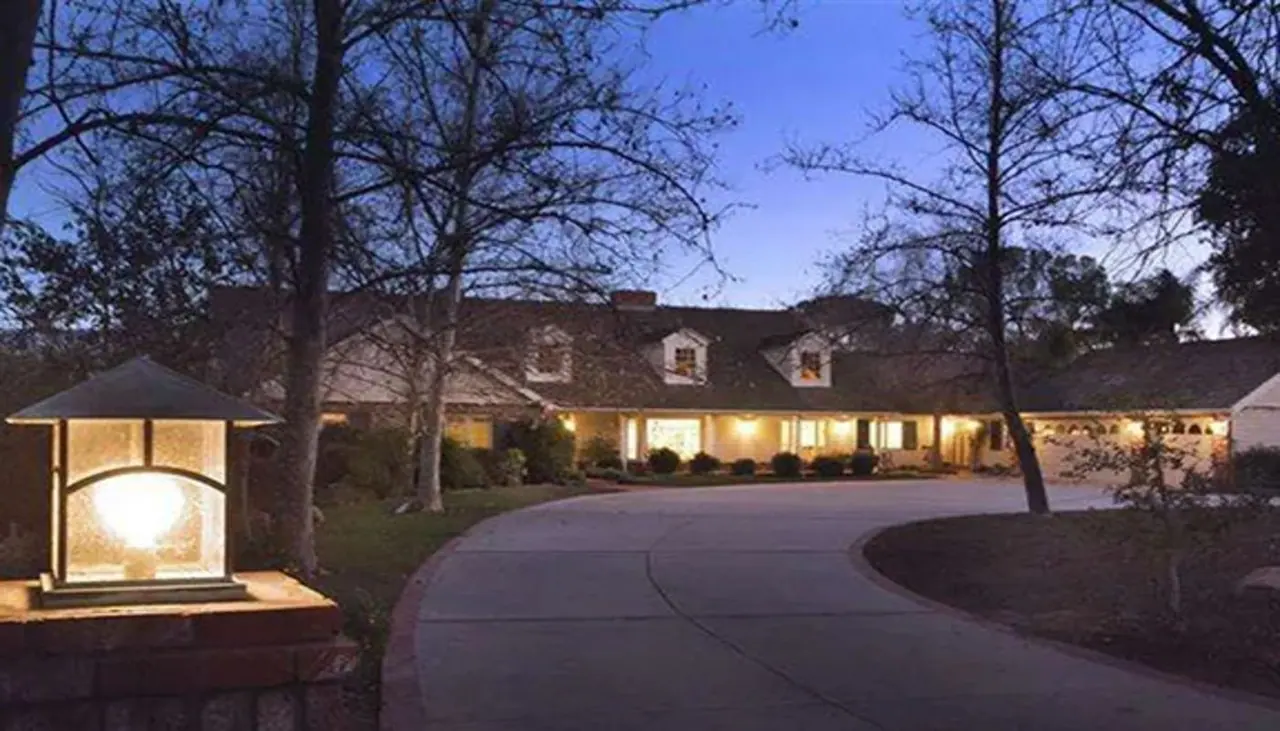
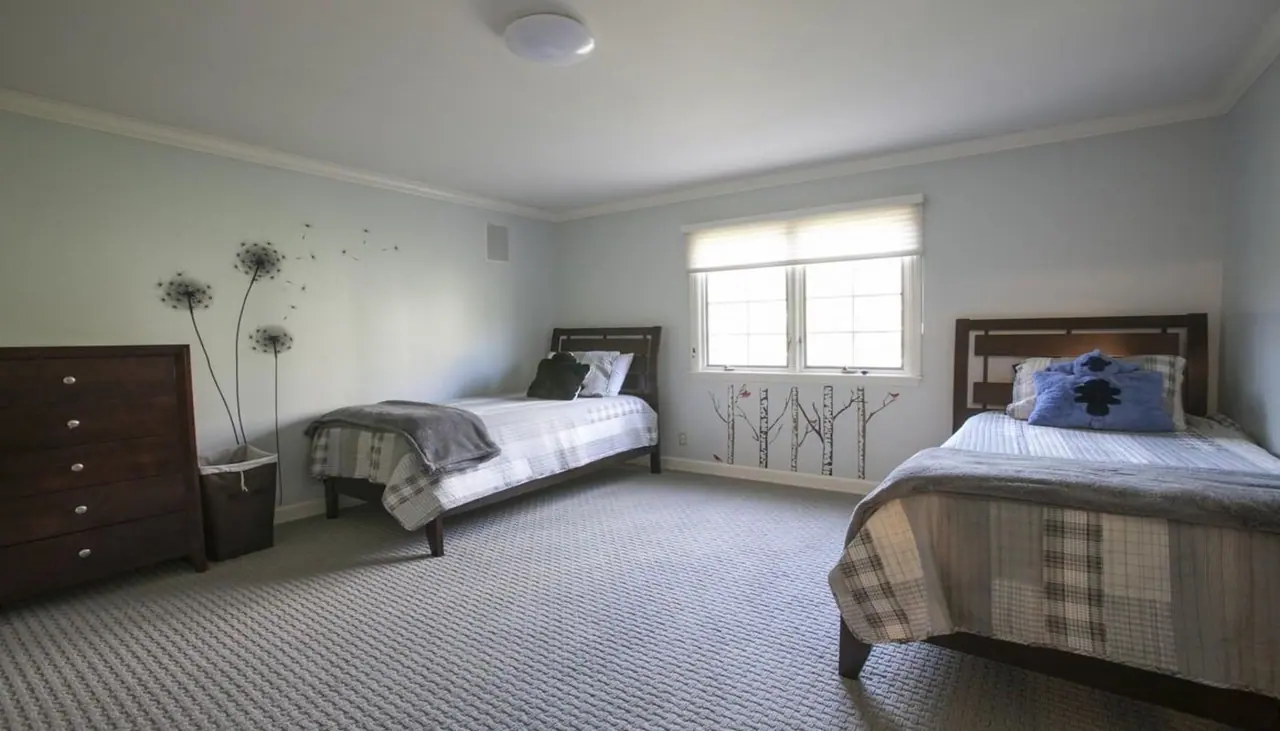
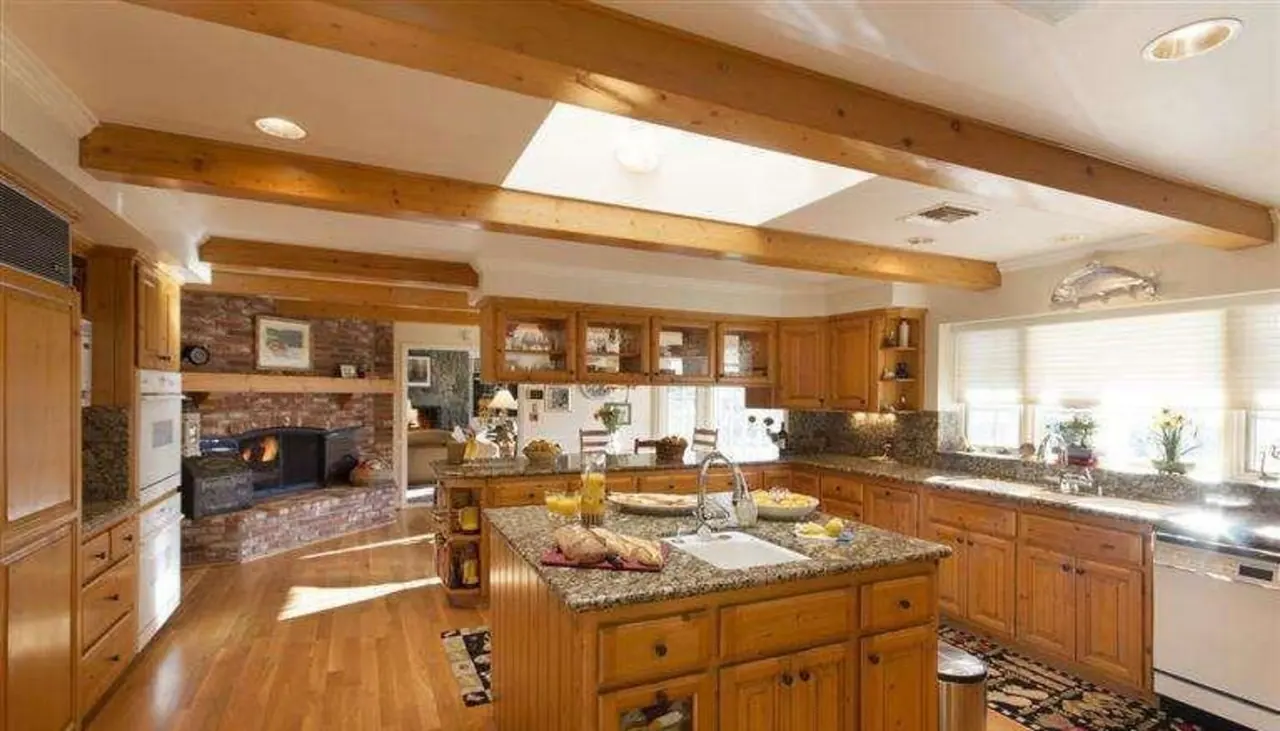
Evolve Teen Treatment Center - Ojai is a residential program built around adolescents, and the clinical work leans on individualized planning and research-backed methods rather than a single fixed curriculum. Clinicians assess each teen at intake and adjust the plan as progress, needs and goals change, so the programming follows the resident instead of the reverse. The center is a residential teen rehab in Ojai, California, with detox and dual diagnosis care under one roof.
The setting is a licensed home environment staffed around the clock, which gives structure to the day while leaving room for school and recreation. Teens attend to education on weekday mornings and have time for the pool, fitness center and outdoor spaces. Substance use care sits alongside mental health treatment, since many residents arrive with both concerns at once. Families comparing addiction treatment in California can ask how the dual diagnosis track splits clinical time.
Teen detox and residential care in Ojai
Adolescents in Ojai may enter care at detox or at residential rehab, and the right level depends on what a teen is using, how long, and what happens when the substance stops. Detox is the medical step for clearing a substance safely; residential care follows when a teen needs a structured setting for therapy and daily support. Choosing between detox and residential teen rehab in Ojai, California, starts with a clinical assessment, not a bed count. A clinician should decide which level fits, and families can ask that question directly.
The therapy mix includes enhancement therapy motivational interviewing and cognitive behavioral therapy, psychoeducation, Seeking Safety, and one-on-one counseling, each combined with group and family sessions. When talking is difficult, equine therapy and art therapy offer teens a different way in, and family participation runs through the plan, because home life shapes what happens after discharge. For adolescents with co-occurring conditions, the dual diagnosis track pairs addiction treatment with mental health care in California. If a teen has anxiety, depression or another co-occurring condition, the dual-diagnosis track addresses it in the same setting rather than sending you somewhere else.
- 1-on-1 Counseling
- Group Therapy
- Evidence-Based
- Psychoeducation
- Strengths-Based
- Individual Treatment
- Art Therapy
- Seeking Safety
- Motivational Interviewing and Enhancement Therapy (MET)
- Family Involvement
Who the Ojai program is built for
- Adolescents, including both boys and girls, with substance use and mental health concerns
- LGBTQ+ teens who need a setting that accounts for identity and related stress
- Neurodivergent teens, including those on the autism spectrum, when a mental health or substance use concern is present
- Young people who have co-occurring conditions, among them anxiety, depression, PTSD, OCD or bipolar disorder
- Teens with marijuana, alcohol or other drug involvement who need more structure than outpatient care
Treatment setting, duration, daily life
The typical program length is 45 days, and the center holds 6 to 15 beds, so the group stays small enough for staff to know each resident. A teen residential rehab in Ojai, California, keeps the house small at 6 to 15 beds for closer supervision. Teens have private or shared rooms with air conditioning, chef-prepared meals, a pool, a basketball court, a fitness center, a library and outdoor dining and lounge areas. Education happens on weekday computer sessions, and activities include yoga, swimming, games and reading. Programming is in English. If a teen needs a longer stay than 45 days, then the clinical team and family revisit the plan together.
- Outdoor Lounge
- Pool
- Library
- Chef-prepared Meals
- Outdoor Dining
- Basketball Court
- Fitness Center
- Access to Nature
Covering care costs and using insurance
Evolve lists cash pay rates, and before deciding anything, families should ask by phone about insurance verification, because plans differ in what they cover for adolescent residential care and detox. Before admission, cost questions for alcohol rehab in California are best answered by phone, including what insurance will verify. The helpline offers no treatment and no diagnosis; its advisors link callers with licensed providers at no cost and with no commitment, and they can help you pose the right coverage questions. Medi-Cal in California may apply in some cases, so it is worth asking. If a plan denies coverage, request the specific reason in writing and check it against the plan documents.
Questions before you are admitted
- How many residents are in the house right now, and who supervises them overnight?
- Given my teen's substance use and mental health history, does detox come first or does residential admission?
- Which therapies will actually appear on my teen's weekly schedule, and how often?
- What does the 45-day estimate include, and what happens if my teen needs more time?
- What discharge planning and relapse prevention support is arranged before the last day?


More programs for comparison
-
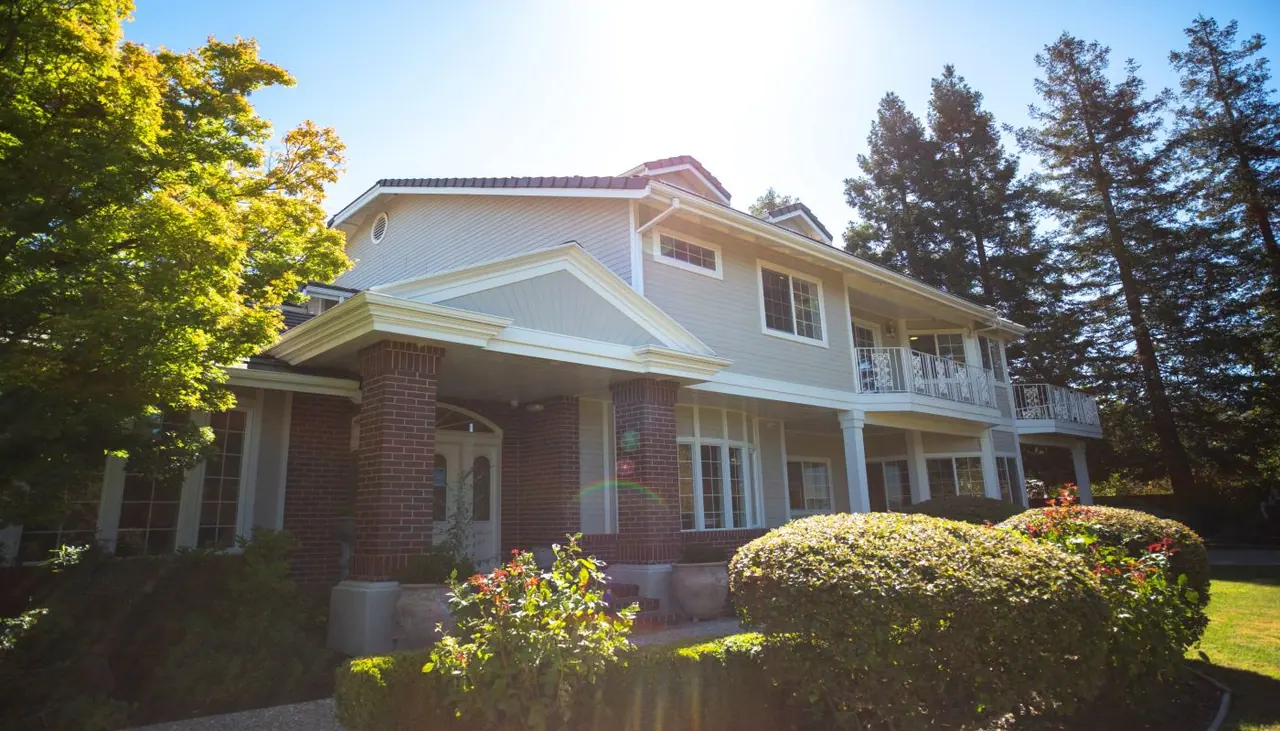
Evolve Teen Treatment Center
Evolve Teen Treatment Center Walnut Creek is a residential program for teens.
Walnut Creek, CA
45 days6-15 beds
- Joint Commission
- Detox
- Residential Rehab
-

West Coast Recovery Centers
West Coast Recovery Centers Carlsbad is an outpatient program on Grand Avenue.
Carlsbad, CA
30 days31-50 beds
- Joint Commission
- Outpatient
- Co-Occurring Mental Health
-

Spark To Recovery
Spark to Recovery Cardiff by the Sea is a licensed program in Cardiff, California.
Cardiff By The Sea, CA
90 days6-15 beds
- Joint Commission
- Detox
- Co-Occurring Mental Health
-
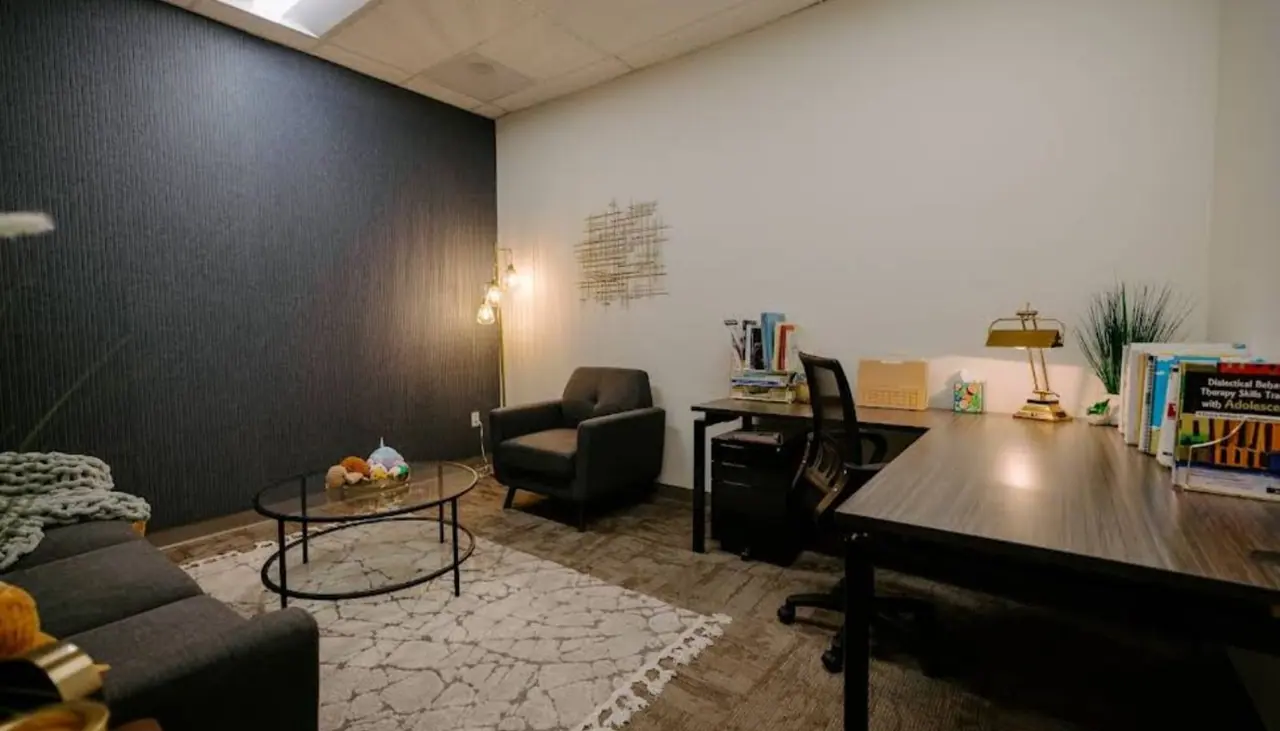
Vitalize Shaw & 41
Vitalize Shaw & 41 Fresno is an outpatient clinic located in Fresno, California.
Fresno, CA
90 days
- Joint Commission
- Outpatient
- Co-Occurring Mental Health
-
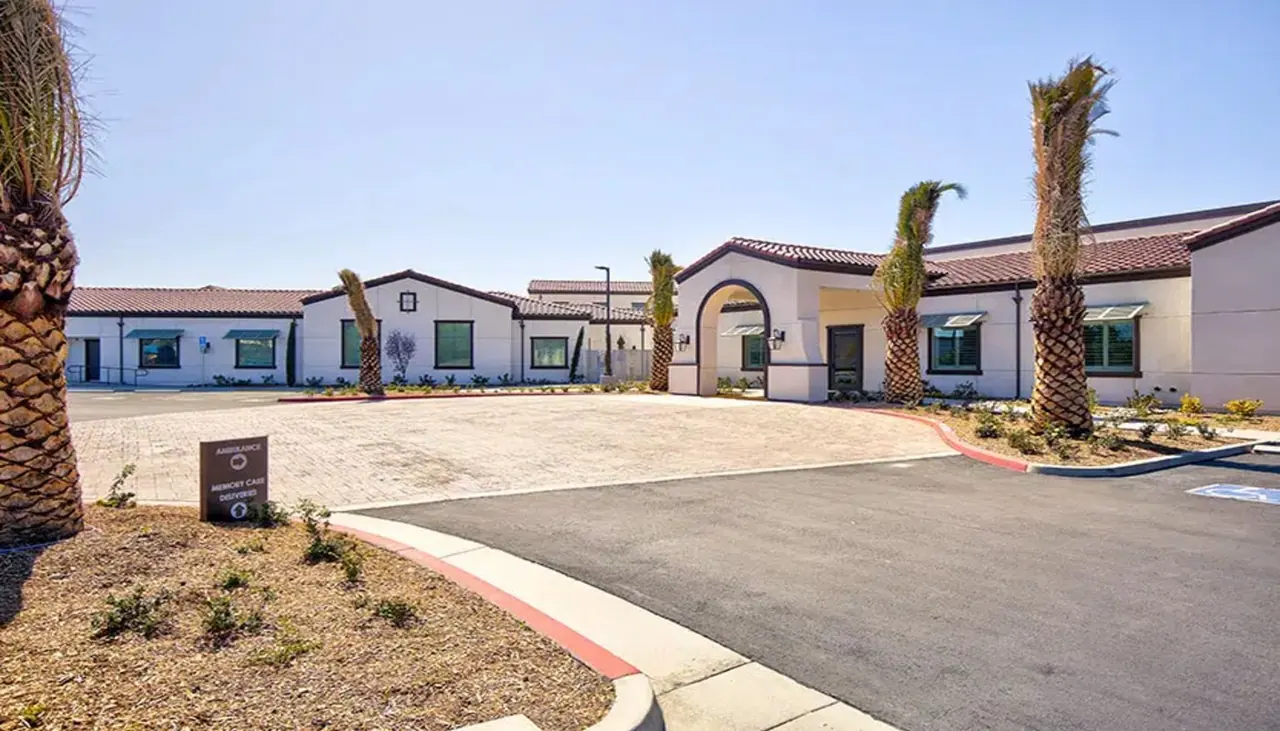
Temecula Recovery Center
Temecula Recovery Center is a Joint Commission accredited facility in Temecula.
Temecula, CA
28 days
- Joint Commission
- Detox
- Residential Rehab
-
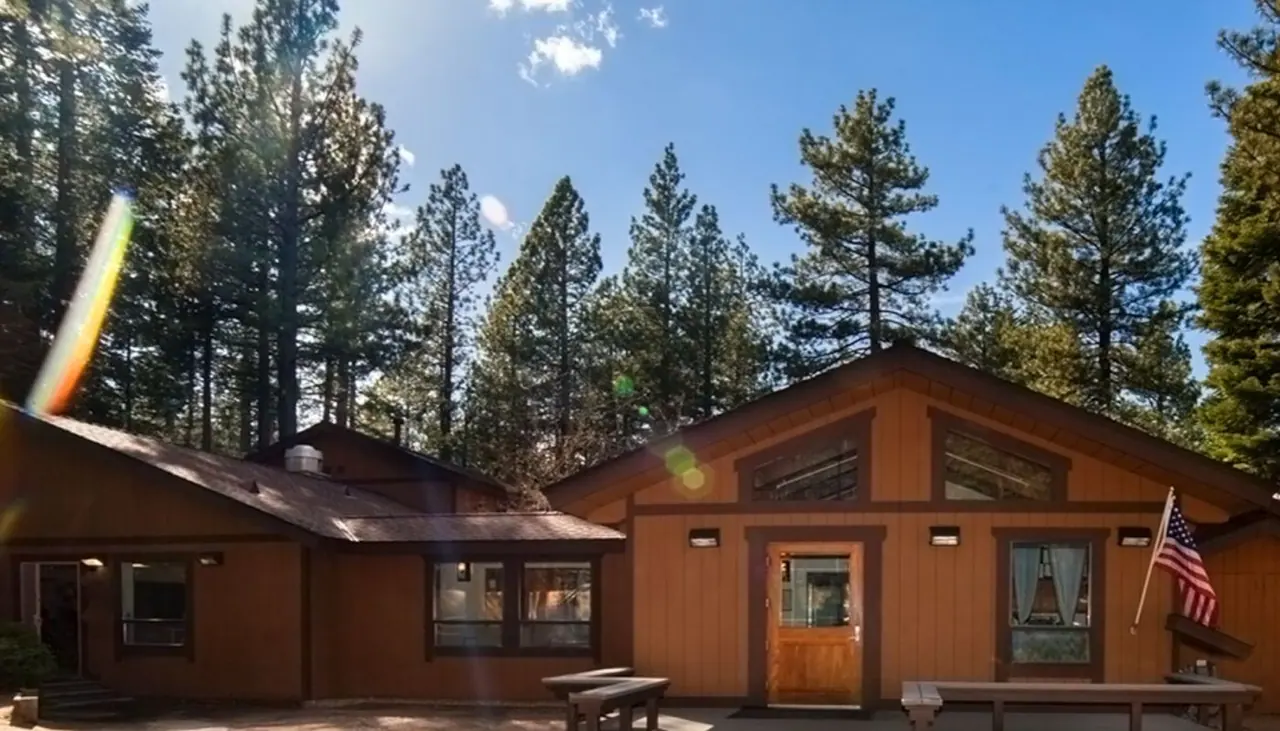
Elevate Addiction Services
This page describes what Elevate Addiction Services South Lake Tahoe offers adults seeking detox and mental health support.
South Lake Tahoe, CA
30 Days31-50 beds
- Joint Commission
- Detox
- Co-Occurring Mental Health
Good to know
How long are inpatient programs at Evolve Teen Treatment Center Ojai?
The typical program length is 45 days, though the plan is reviewed and adjusted as a teen progresses. Some residents need more time and some less, and the clinical team decides with the family. Ask during the intake call how length is set and what happens if your teen needs an extension, since insurance authorization often tracks the same schedule.
What typically brings teenagers into rehab programs?
Most calls come when substance use is beginning to interfere with school, sleep, mood or relationships, or when a teen's mental health calls for more than outpatient therapy can give. At Evolve Teen Treatment Center Ojai, marijuana, alcohol and other drugs are treated along with conditions such as anxiety, depression and PTSD. When a teen needs it before residential care starts, detox is available.
Does Medi-Cal pay for rehab in California?
Medi-Cal in California covers some behavioral health and substance use services, though whether a given residential program is covered rests on which plan and which level of care involved. Cash pay rates are shown on this center's listing, so before counting on coverage, call and ask about insurance verification. If a denial arrives, request the reason in writing and compare it with your plan documents.
What is life like during residential care in Ojai?
Days combine therapy with school and recreation. Teens have weekday computer-based education, chef-prepared meals, and access to a pool, fitness center, basketball court and outdoor lounge. Therapy includes group, family and individual sessions plus equine and art therapy. The house holds 6 to 15 beds, so the setting stays small, and staff are present around the clock.
What kinds of therapy does the center offer teens?
The therapy mix consists of cognitive behavioral therapy as well as motivational interviewing and enhancement therapy, psychoeducation, Seeking Safety, and individual counseling, along with group and family sessions. When talking is hard, equine and art therapy give teens another way into the work. For a teen with a co-occurring condition, the dual diagnosis track addresses it in the same setting rather than sending the family elsewhere.