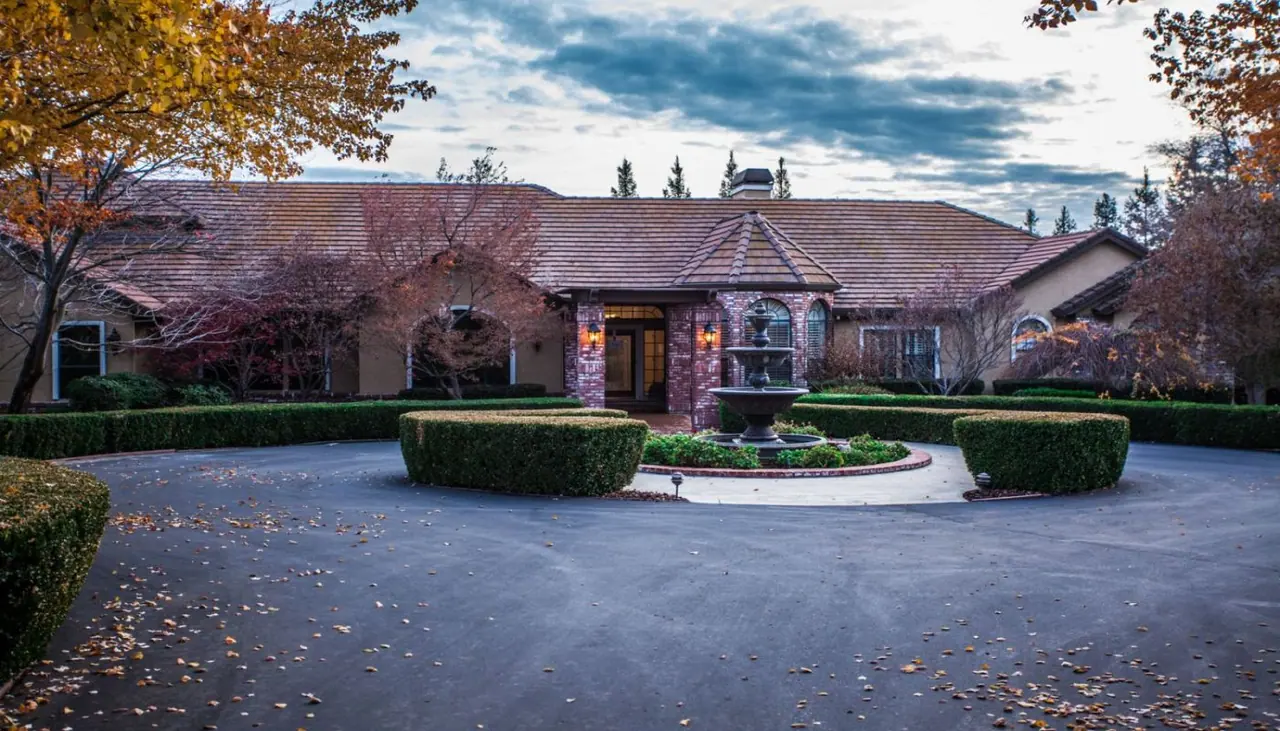
discovery mood & anxiety program granite granite bay
Discovery Mood & Anxiety Program Granite Bay offers residential mental health and co-occurring care for teens ages 11 to 17. The center is one of 947 SAMHSA-listed facilities in California. This page outlines its setting programs and payment options.
- Joint Commission
- Residential Rehab
- Co-Occurring Mental Health
- 30+ days
Discovery Mood & Anxiety Program Granite Bay operates as a residential setting for teenagers between the ages of 11 and 17 who are dealing with mental health conditions and, frequently, substance use as well. The organization has provided a full range of services since 1997, with more than 100 locations throughout the United States, and the Granite Bay site reflects that same emphasis on care shaped around each person and grounded in evidence. The program is gender-inclusive and welcomes adolescents from all backgrounds, including LGBTQ+ youth.
At this Granite Bay center, treatment is structured and intensive. Teens participate in about 5 to 6 hours of therapy and programming each day, with a mix of one-on-one counseling, group sessions, and family therapy. The clinical team includes board-certified psychiatrists who provide medication services when needed. Academic support is also built in: school liaisons or tutors coordinate with each teen's school so coursework continues during treatment.
The program is designed for adolescents whose primary concerns may include anxiety, depression, bipolar disorder, trauma-related symptoms, self-harm, or reactive attachment disorder. Many residents also struggle with substance use, and the center treats co-occurring disorders by addressing both mental health and addiction together. Families are actively involved through weekly therapy sessions and homework assignments that support reconnection and communication.
Residential programs at Granite Bay
At Discovery Mood & Anxiety Program Granite Bay, adolescents get residential rehab, and stays usually run 30 days or longer. The setting is small and resembles a home, with 6 to 15 beds, so staff can give each teen close attention. A typical day for teens includes one-on-one counseling, group therapy, and involvement from family. Care follows evidence-based methods, among them cognitive behavioral therapy, therapy focused on trauma, and hands-on activities like art and yoga.
While at this Granite Bay center, teens get evidence-based therapies along with family involvement. Beyond residential care, the center treats mental health conditions that occur alongside addiction in teens who have both substance use and psychiatric diagnoses. Therapies offered include individual counseling with a clinical psychologist, expressive arts, an overview of the 12-step program as well as meditation and mindfulness. Board-certified psychiatrists on the team also handle medication management. Once a teen leaves, continuing care and an aftercare app help with the move back home.
- Individual Treatment
- 1-on-1 Counseling
- Expressive Arts
- Cognitive Behavioral Therapy
- Twelve Step
- Experiential Therapy
- Family Involvement
- Introduction to the 12 Step Program
- Art Therapy
- Meditation & Mindfulness
Who the program serves in Granite Bay
- Adolescents ages 11 to 17 of all genders, including LGBTQ+ youth, are served at this Granite Bay residential center.
- Teens with anxiety, depression, bipolar disorder, ADHD, or trauma-related conditions
- Those who self-harm or have suicidal thoughts, in a supervised residential setting
- Adolescents with co-occurring substance use involving alcohol, marijuana, stimulants, or other drugs
- Families seeking a program that includes weekly therapy and academic support
Daily life at Discovery Granite Bay
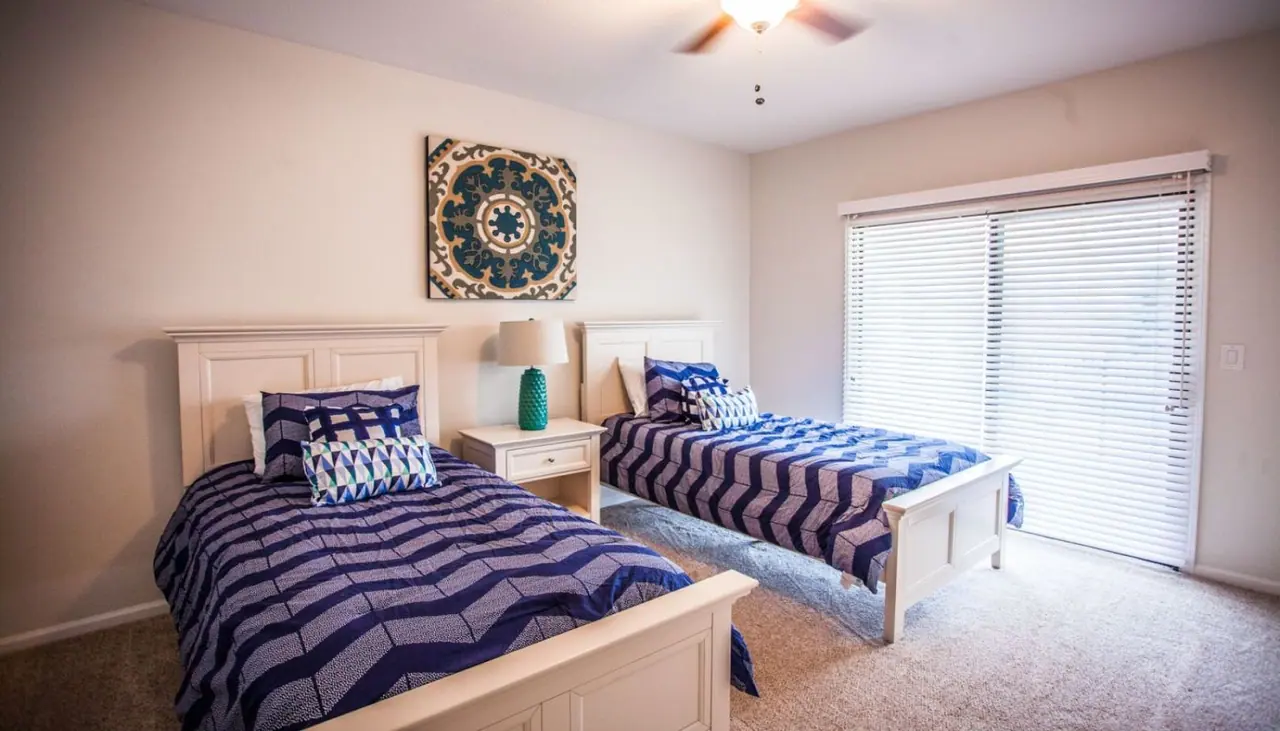
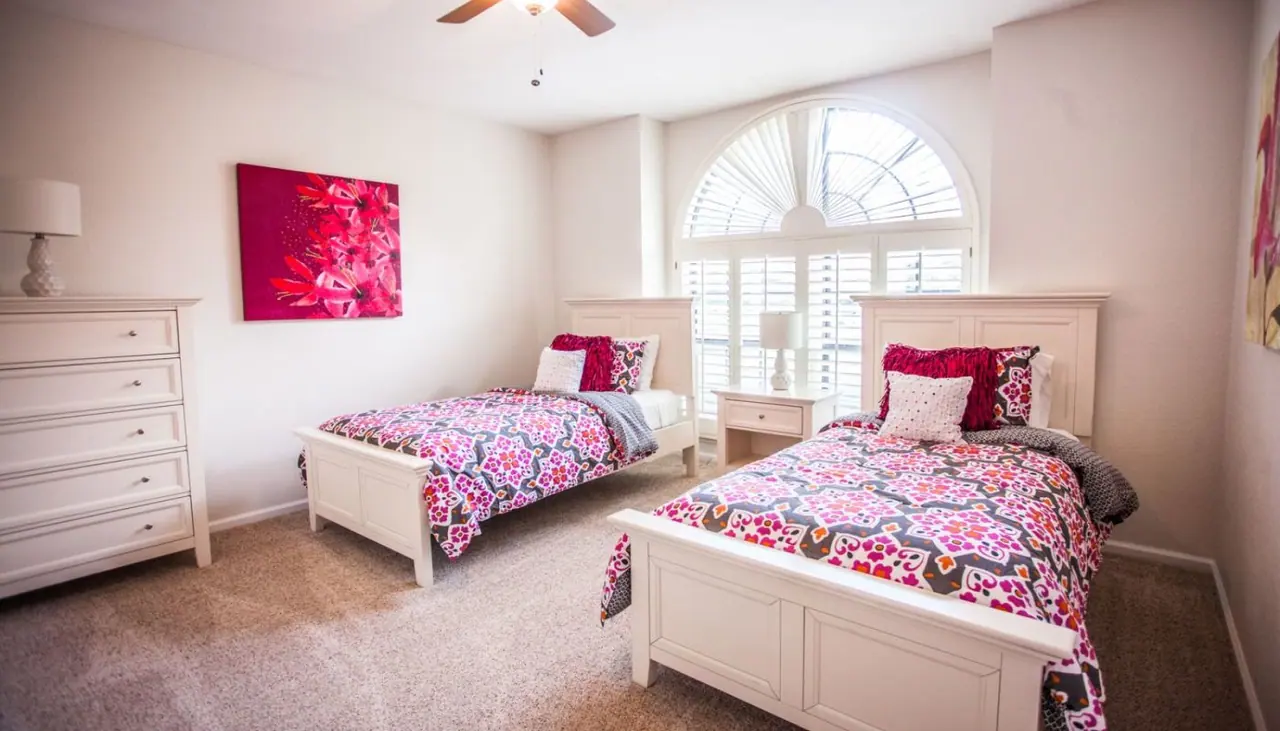
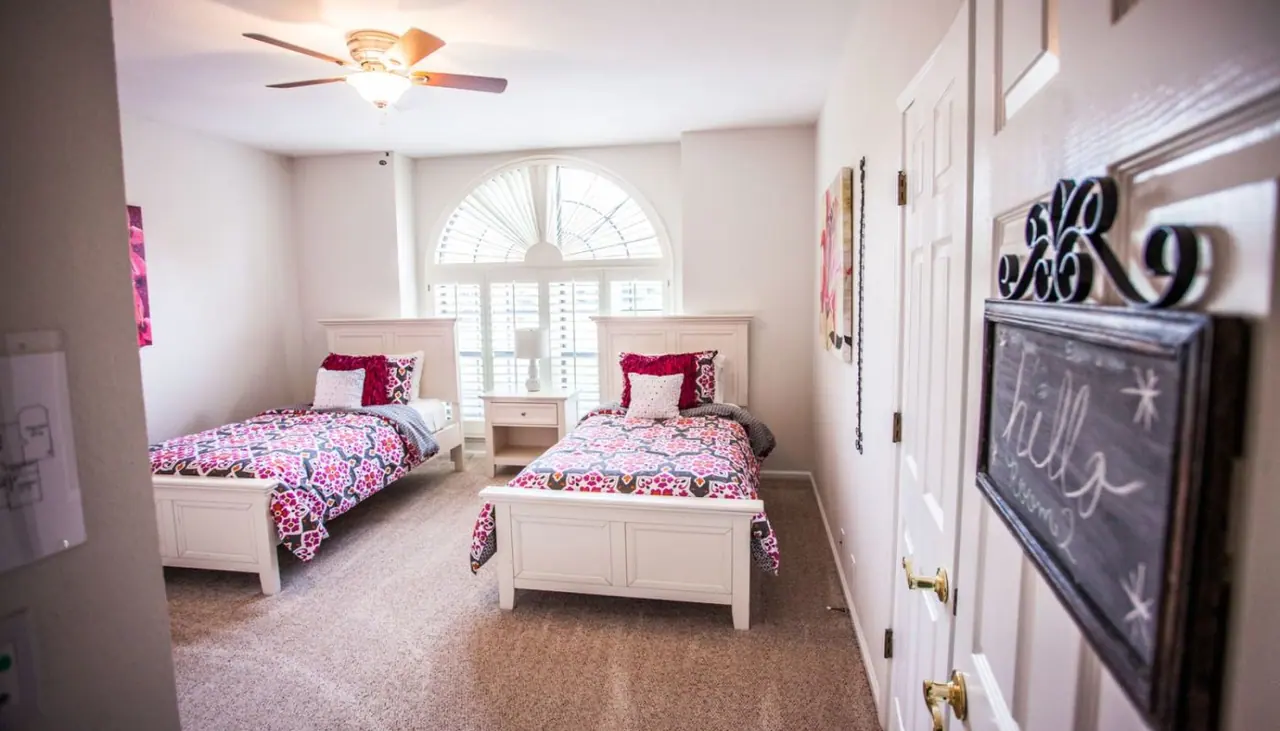
Cavitt Stallman Rd. in Granite Bay is where the center sits, in a quiet residential neighborhood, with shared rooms and meals prepared by a chef. Residents share sleeping quarters and bathrooms, and a chef prepares their meals with nutrition in mind. Therapy shares the day with physical fitness, yoga, and AA/NA meetings. Activities such as gardening and art offer experiential ways for teens to develop emotional awareness and regulation. The setting is calm and encouraging, and a steady structure underpins safety and routine.
Paying for care at Discovery Granite Bay
Discovery Mood & Anxiety Program Granite Bay takes private pay via cash pay rates and carries Joint Commission accreditation. The Joint Commission accredits the center, a sign that it meets specific standards for quality and safety. Families can reach out to the center directly to talk about costs and insurance possibilities. If you are looking into coverage, our free helpline can also explain California's 947 SAMHSA-listed facilities and how to ask about benefits.
Questions to ask Discovery Granite Bay
- Does the program accept my family's insurance, and what does the cash pay rate cover?
- How are psychiatric medications managed, and who prescribes them?
- How is a normal day structured, with therapy time and schoolwork?
- How often are family sessions held, and what is expected of parents?
- What aftercare support is available when my child leaves the program?
More programs for comparison
-
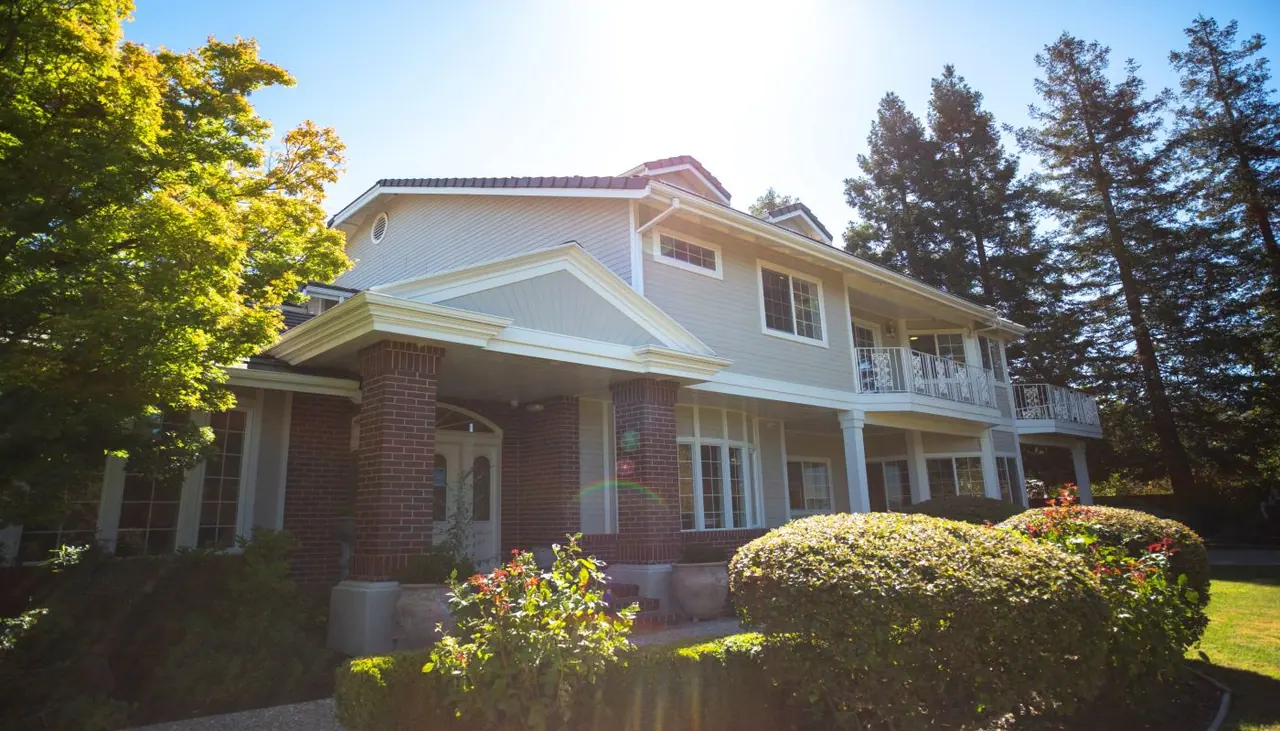
Evolve Teen Treatment Center
Evolve Teen Treatment Center Walnut Creek is a residential program for teens.
Walnut Creek, CA
45 days6-15 beds
- Joint Commission
- Detox
- Residential Rehab
-

West Coast Recovery Centers
West Coast Recovery Centers Carlsbad is an outpatient program on Grand Avenue.
Carlsbad, CA
30 days31-50 beds
- Joint Commission
- Outpatient
- Co-Occurring Mental Health
-
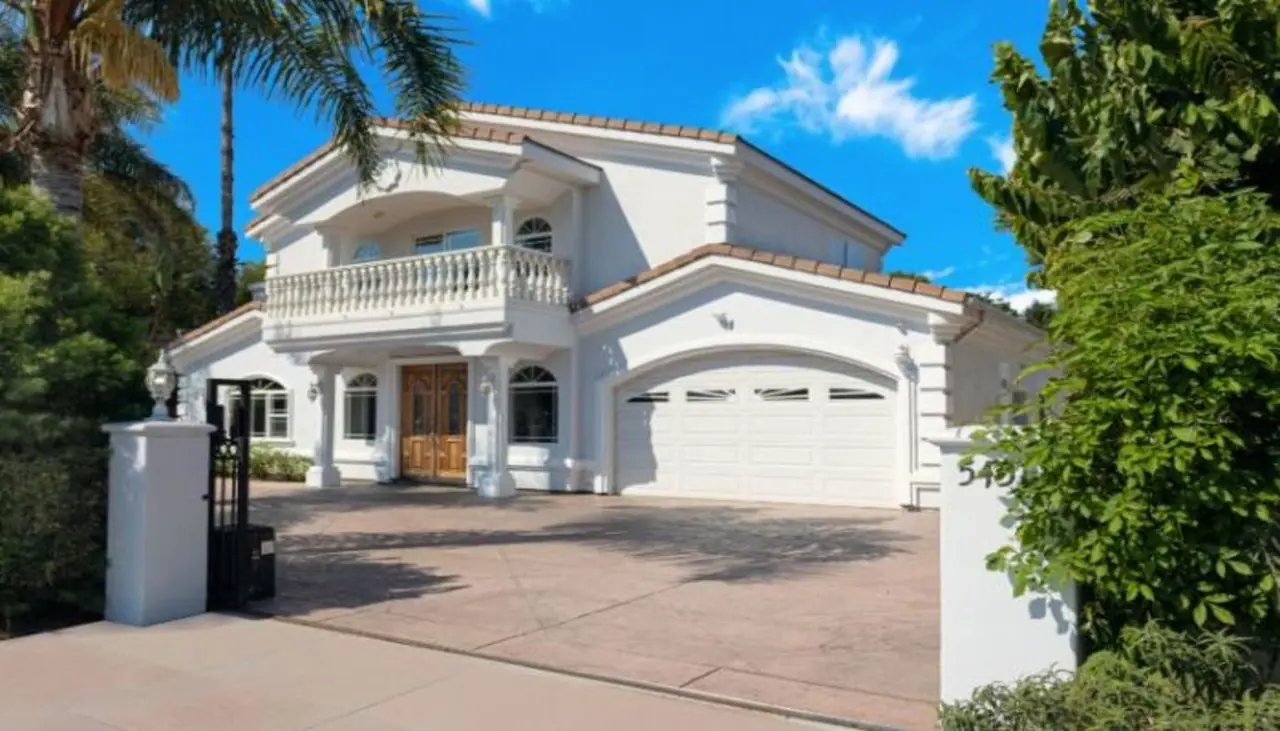
Spark To Recovery
Spark to Recovery Cardiff by the Sea is a licensed program in Cardiff, California.
Cardiff By The Sea, CA
90 days6-15 beds
- Joint Commission
- Detox
- Co-Occurring Mental Health
-
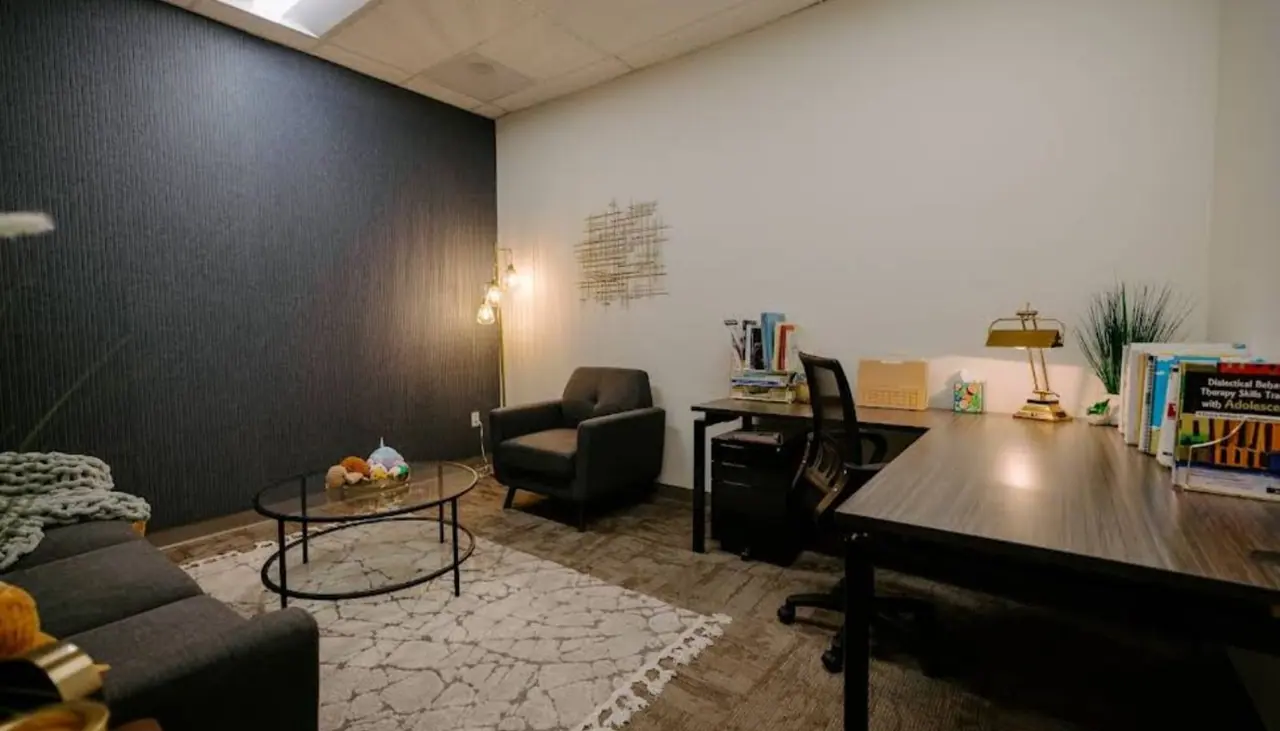
Vitalize Shaw & 41
Vitalize Shaw & 41 Fresno is an outpatient clinic located in Fresno, California.
Fresno, CA
90 days
- Joint Commission
- Outpatient
- Co-Occurring Mental Health
-
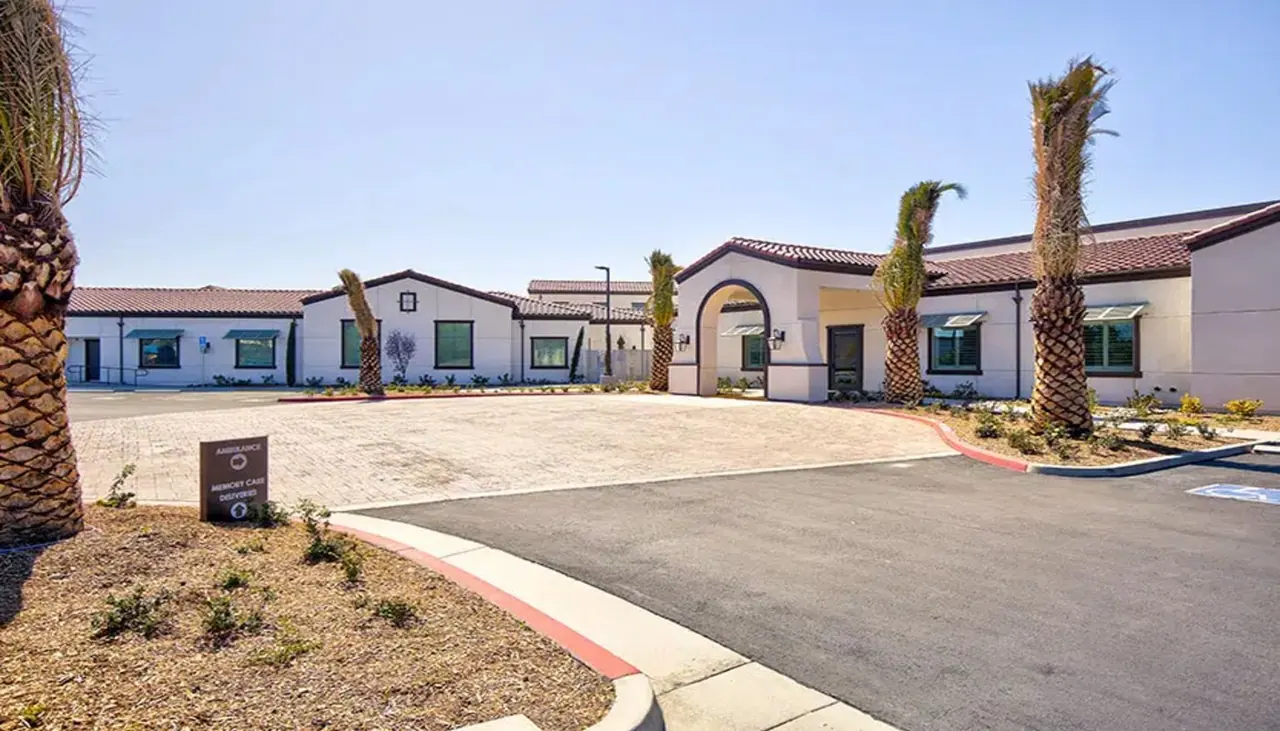
Temecula Recovery Center
Temecula Recovery Center is a Joint Commission accredited facility in Temecula.
Temecula, CA
28 days
- Joint Commission
- Detox
- Residential Rehab
-
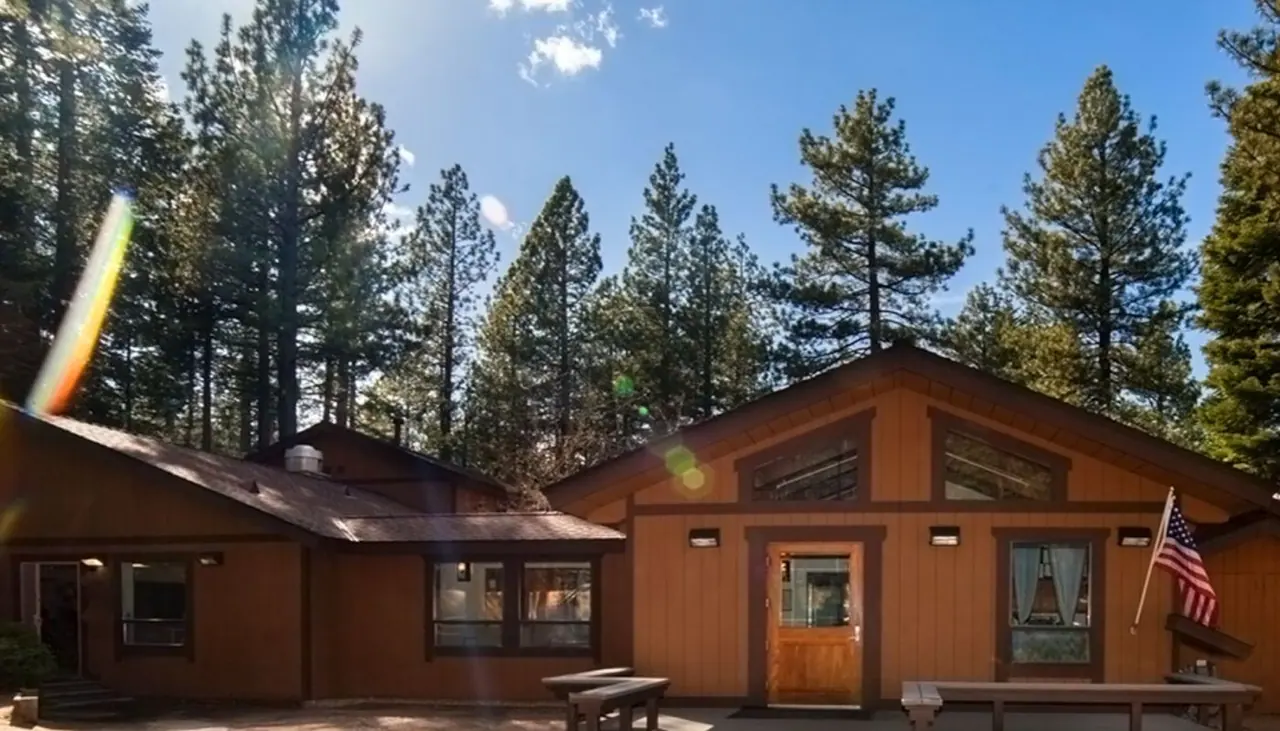
Elevate Addiction Services
This page describes what Elevate Addiction Services South Lake Tahoe offers adults seeking detox and mental health support.
South Lake Tahoe, CA
30 Days31-50 beds
- Joint Commission
- Detox
- Co-Occurring Mental Health

Good to know
How long are inpatient programs at Discovery Mood & Anxiety Program Granite Bay?
At this center, programs usually last 30 days or longer, based on what the teen needs and how they progress. With 6 to 15 beds in the residential setting, each stay is individualized. Staff plan discharge and continuing care together with families. Contact the center directly for a specific estimate.
Why do people usually seek rehab at Discovery Granite Bay?
Adolescents come to this Granite Bay center for anxiety, depression, bipolar disorder, trauma, self-harm, and co-occurring substance use. The program treats both mental health and addiction together, with family involvement and academic support. It is one of 947 SAMHSA-listed facilities in California. The team reviews each teen's situation to determine if the program fits.
What is the admission process like at Discovery Granite Bay?
Admission starts with a phone call to the center to discuss your child's situation. The clinical team will ask about diagnoses, substance use, and previous treatment. They will also explain the program and costs. Be prepared to share medical records and insurance information. The center does not promise admission; each case is reviewed individually.
Does Medi-Cal pay for rehab at Discovery Granite Bay?
Discovery Granite Bay lists cash pay rates as the private pay option and does not say whether it takes Medi-Cal. Medi-Cal is the Medicaid program in California, and some facilities may cover residential treatment through it. Call the center directly to learn whether Medi-Cal is accepted there. Our helpline can also help you sort out coverage options for California's 947 SAMHSA-listed facilities.
Is Discovery Mood & Anxiety Program Granite Bay accredited?
Yes, the Joint Commission accredits this center. Such accreditation signals that the program meets particular standards for quality and safety. If you like, you can confirm accreditation status with the Joint Commission. The center is also included in SAMHSA's FindTreatment.gov listings. Call the center to ask about its licensing and current accreditation.