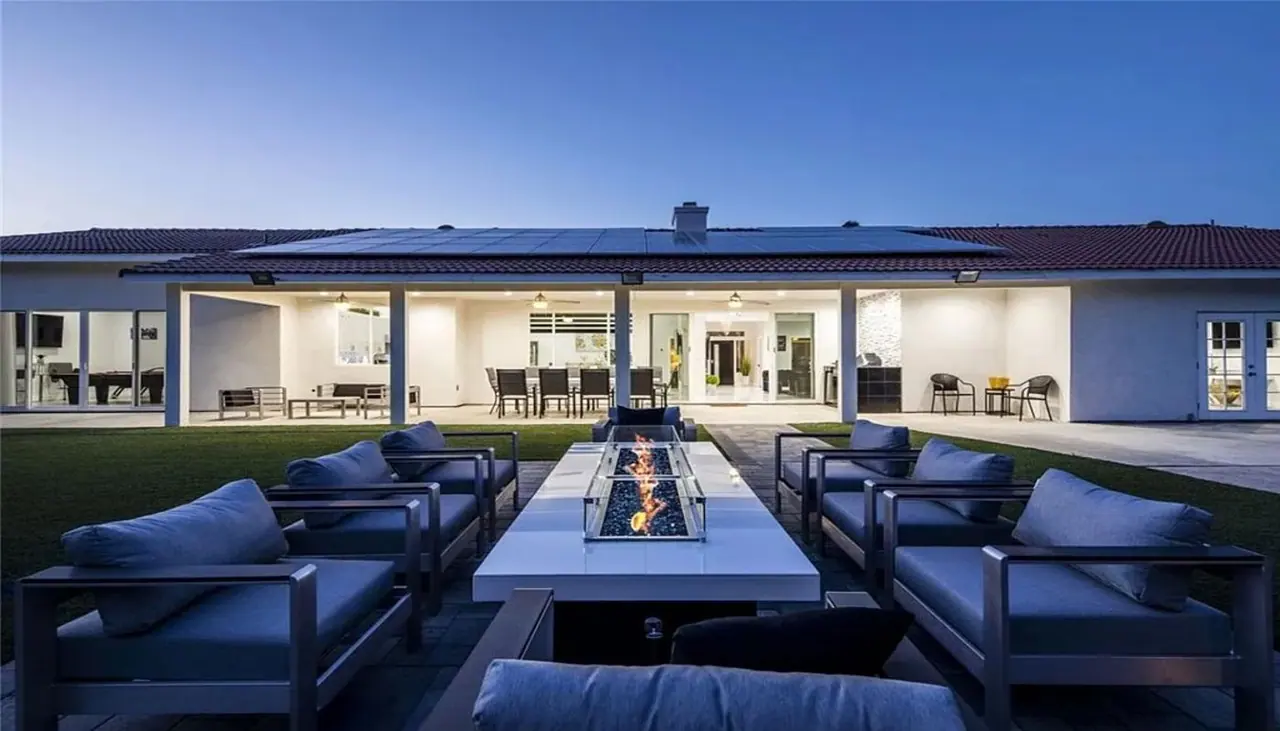
Coachella Valley Recovery Cathedral City
Coachella Valley Recovery Cathedral City is a 16-30 bed center on Verano Road. It is one of 947 SAMHSA-listed facilities across California. This page explains programs, costs and intake.
- Joint Commission
- Detox
- Residential Rehab
- Co-Occurring Mental Health
- 30 days

Coachella Valley Recovery is a private clinical program in Cathedral City that treats substance use alongside mental health conditions at the same time. It opened in 2022 and holds Joint Commission accreditation, and it runs on a 30-day program length that the team adjusts to each person's assessment. The center is built for people with demanding schedules and complicated histories, so staff work to make each client feel heard rather than processed.
The first stage is a thorough assessment. It identifies the therapeutic approaches most likely to be of use and helps a person compare inpatient care with outpatient care before deciding. After that, care brings together evidence-based methods, complementary practices, and a 12-Step framework. Each client collaborates with the whole treatment team, among them the medical director and clinical director, on a plan that takes mental health, medical needs, everyday routines, and individual objectives into account.
Discharge is not the end of the relationship. The center offers structured aftercare and keeps in touch afterward, and people who finish the program become part of an ongoing support network rather than a closed file.
Coachella Valley Recovery Cathedral City
Detox, residential rehab and mental health conditions that occur alongside addiction are the three listed levels at Coachella Valley Recovery Cathedral City, which means a person can start with withdrawal support and move into residential treatment without changing addresses. Detox for alcohol and benzodiazepines is the part that deserves a clinician's eye: withdrawal from either can turn dangerous quickly, and medical oversight during that window is why the center lists detox as a distinct level rather than an entry step.
Therapy options include individual counseling alongside cognitive behavioral therapy, EMDR, family therapy, interpersonal therapy, art therapy, animal therapy and mindfulness work. The program blends evidence-based practice with family involvement, individual treatment and naturopathic approaches. If someone is weighing inpatient care against outpatient care, the initial evaluation is where that choice gets made.
Families can join therapy sessions and follow-up counseling as part of the plan at Coachella Valley Recovery Cathedral City, and aftercare extends to group therapy, alumni gatherings, online alumni groups, a recovery coach and ongoing support meetings.
- Family Therapy
- Interpersonal Therapy
- Mindfulness Therapy
- Naturopathy
- Family Involvement
- Eye Movement Therapy (EMDR)
- Individual Treatment
- 1-on-1 Counseling
- Animal Therapy
- Cognitive Behavioral Therapy
Who this program is for
- Professionals, executives and veterans have a stated focus at this center, alongside men, women and LGBTQ+ clients.
- Adults with alcohol, benzodiazepine, cocaine, heroin, ecstasy or psychedelic use, plus prescription drug concerns.
- People with co-occurring anxiety, depression, PTSD or trauma who need both conditions treated together.
- Those in chronic relapse who need a longer structure than outpatient alone provides.
- Pregnant women, people with mild disabilities, and clients who want a private setting.
- Couples and families are not the unit of care, but family therapy and follow-up are offered.
How long, how big, and amenities
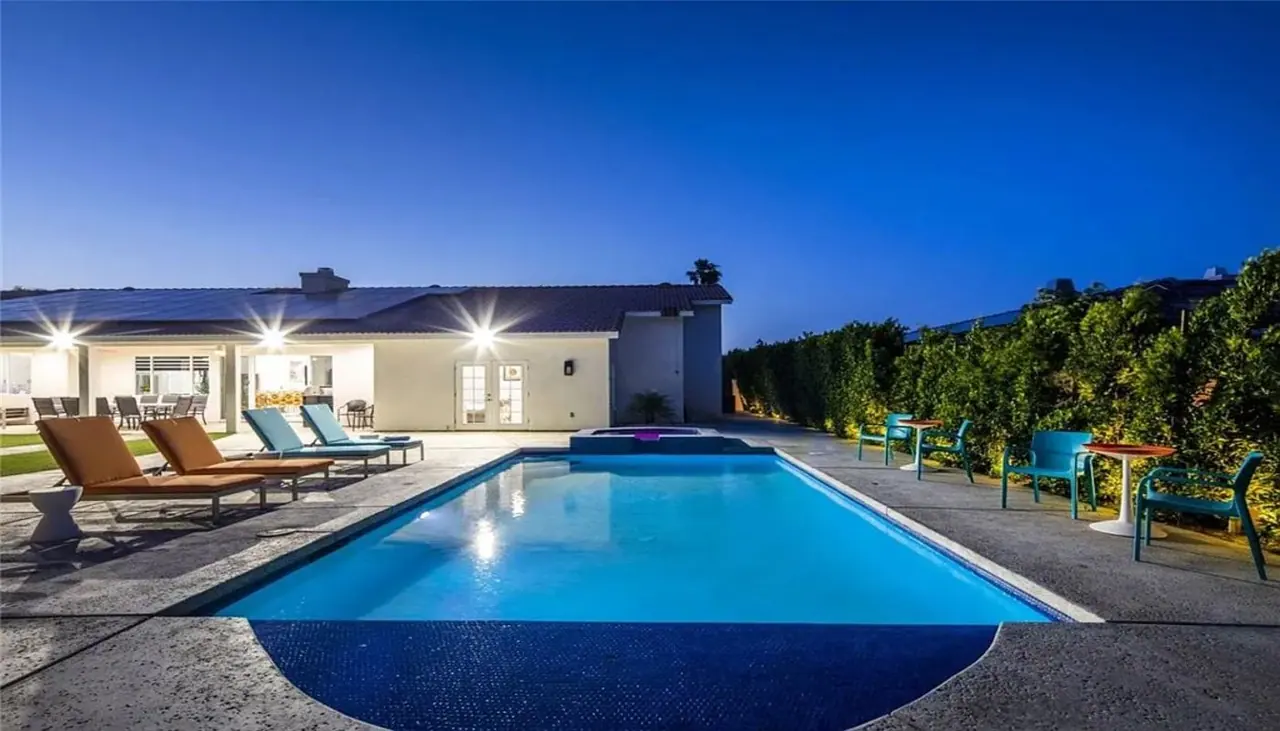
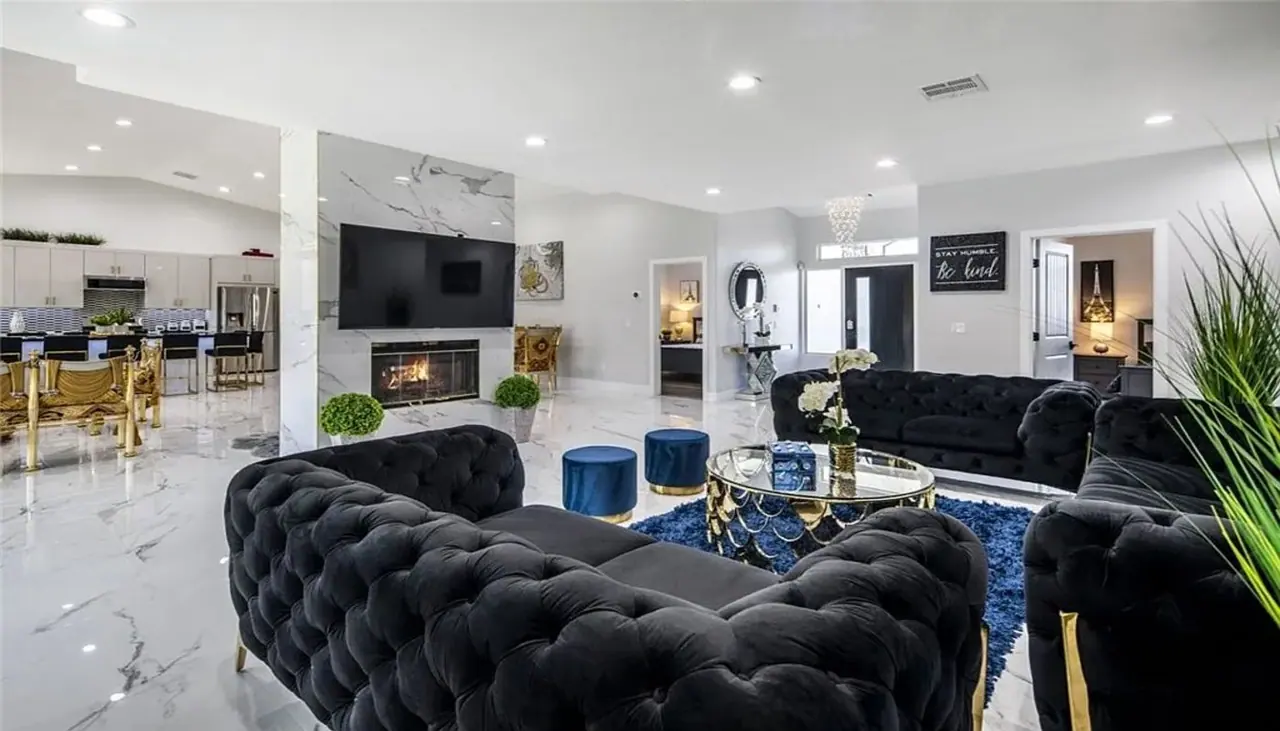
Stays generally run 30 days, the setting holds 16-30 beds, and services are provided in English. At the main campus, bedrooms are semi-private, meals are prepared by a chef, and Wi-Fi, lounges, common areas shared by residents and an outdoor pool are available. A second residence roughly a mile away adds its own pool plus indoor-outdoor lounge space. Among the amenities are a fitness center, gardens, a hot tub, a recreation room, a volleyball court and chances to get outdoors. Air conditioning, desks, internet, laundry service, hair dryers and bathroom essentials are provided in the rooms, and clients may arrange a personal trainer, life coach or concierge. Activities include hiking, biking, swimming, yoga, cooking classes and games.
- Gourmet Dining
- Access to Nature
- Hot Tub
- Outdoor Lounge
- Pool
- Recreation Room
- Fitness Center
- Gardens
Paying for treatment here
Cash pay rates are the one payment option this center lists, and insurance is not named in its figures. That does not mean a plan will not help, only that coverage has to be checked by phone before anyone counts on it. Ask the center to verify benefits against your specific plan before you commit to a start date at Coachella Valley Recovery Cathedral City, because deductibles, out-of-network rules and length-of-stay limits change what a person actually owes. Medi-Cal and commercial plans vary widely, and a written estimate is worth requesting.
Questions to ask before admission
- How does the program decide on a 30-day length for my situation, and what happens if I need more time?
- Does my insurance cover detox, residential care and co-occurring treatment here, and what is my out-of-pocket share?
- Who supervises withdrawal, and how quickly is a clinician available to see me during detox?
- What does the assessment include, and will it recommend outpatient instead of residential if that fits better?
- How does aftercare work after discharge, including alumni groups, recovery coaching and family follow-up?


More programs for comparison
-
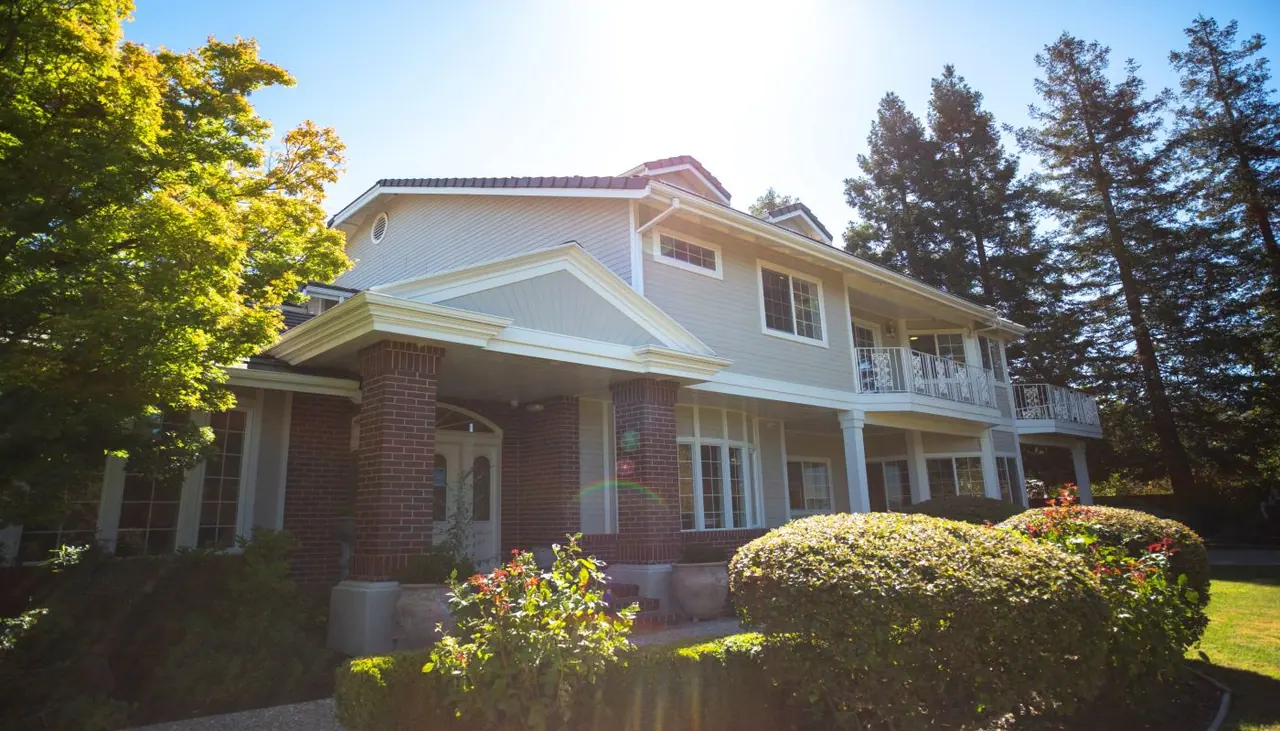
Evolve Teen Treatment Center
Evolve Teen Treatment Center Walnut Creek is a residential program for teens.
Walnut Creek, CA
45 days6-15 beds
- Joint Commission
- Detox
- Residential Rehab
-

West Coast Recovery Centers
West Coast Recovery Centers Carlsbad is an outpatient program on Grand Avenue.
Carlsbad, CA
30 days31-50 beds
- Joint Commission
- Outpatient
- Co-Occurring Mental Health
-
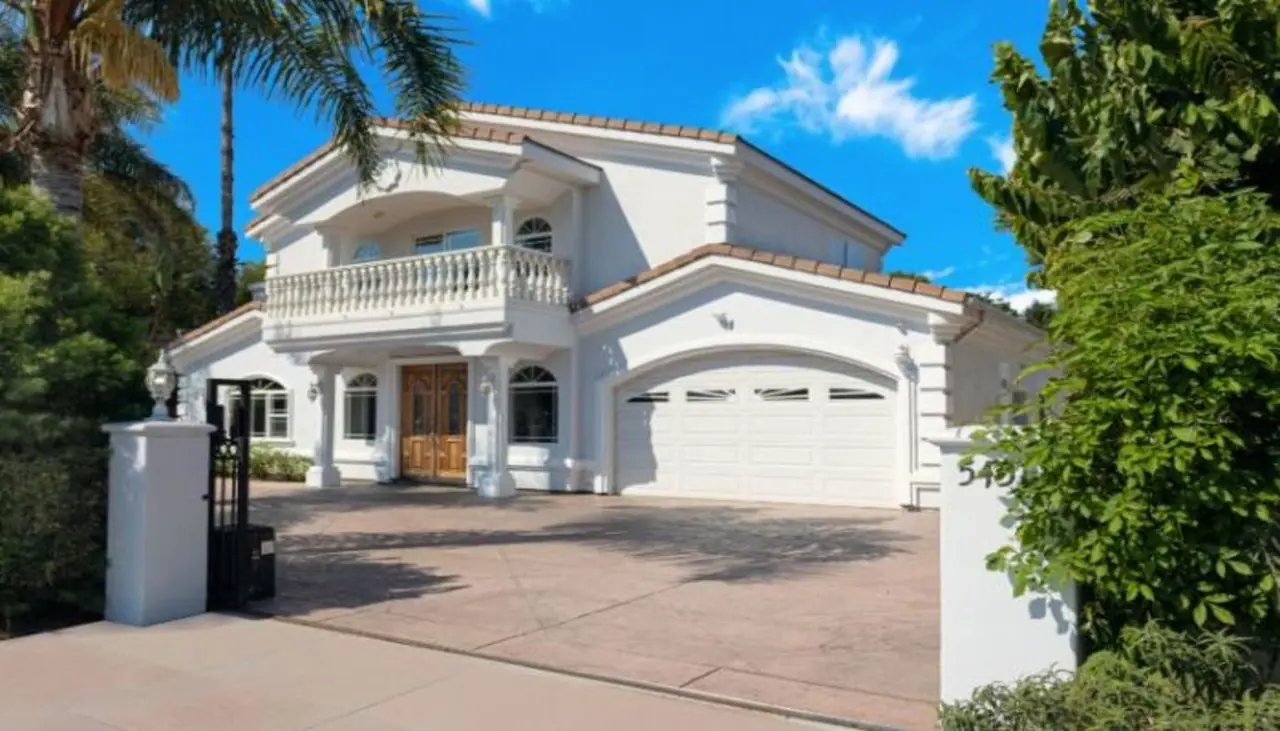
Spark To Recovery
Spark to Recovery Cardiff by the Sea is a licensed program in Cardiff, California.
Cardiff By The Sea, CA
90 days6-15 beds
- Joint Commission
- Detox
- Co-Occurring Mental Health
-
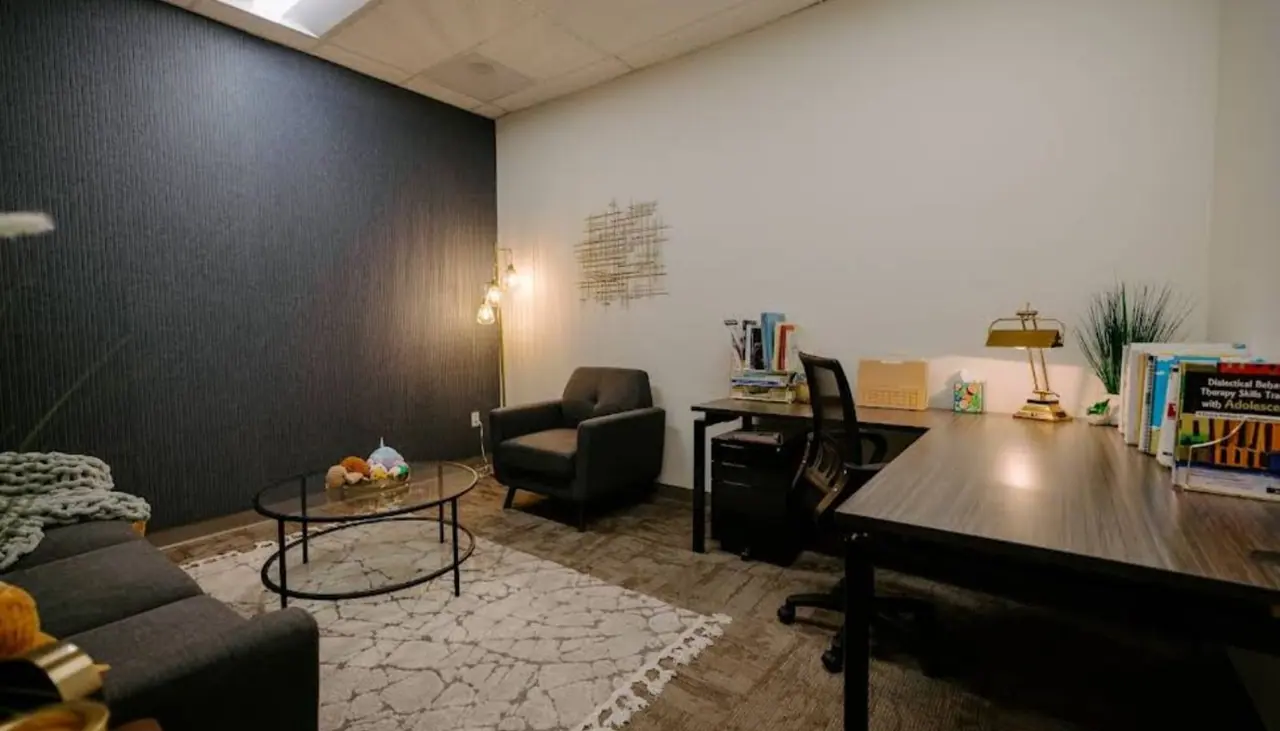
Vitalize Shaw & 41
Vitalize Shaw & 41 Fresno is an outpatient clinic located in Fresno, California.
Fresno, CA
90 days
- Joint Commission
- Outpatient
- Co-Occurring Mental Health
-
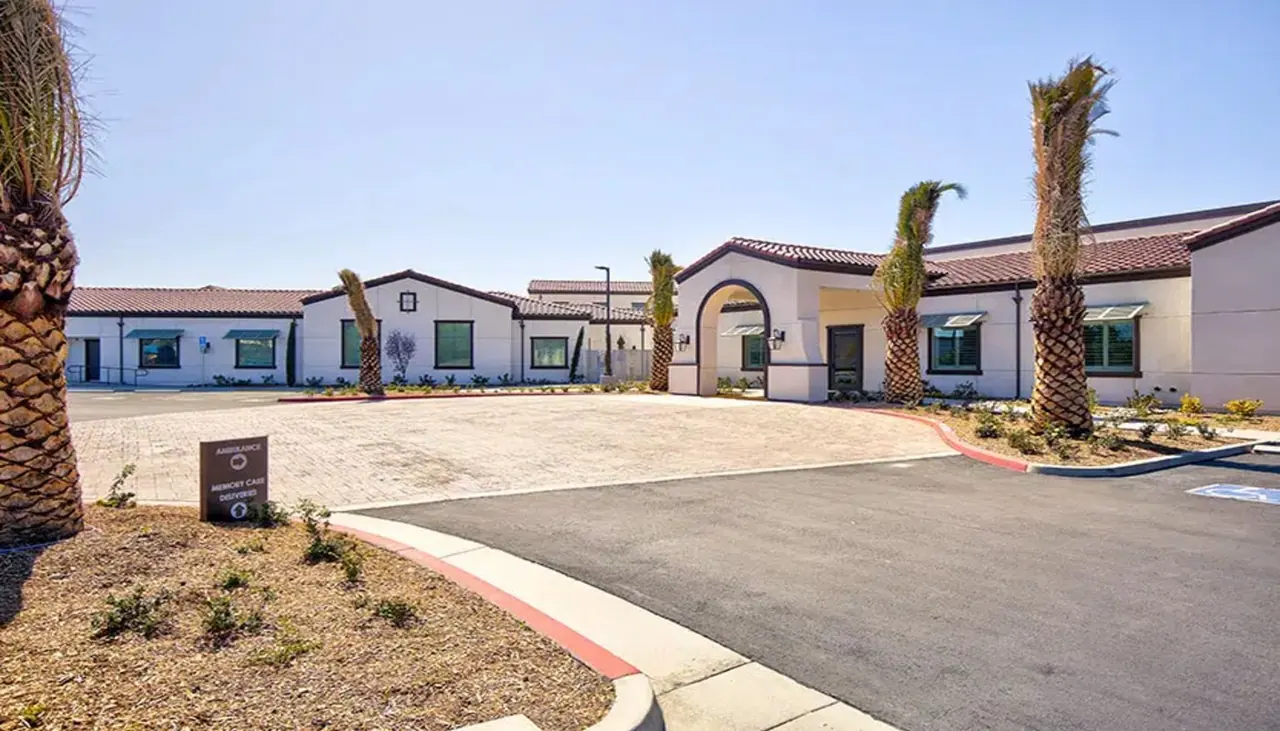
Temecula Recovery Center
Temecula Recovery Center is a Joint Commission accredited facility in Temecula.
Temecula, CA
28 days
- Joint Commission
- Detox
- Residential Rehab
-
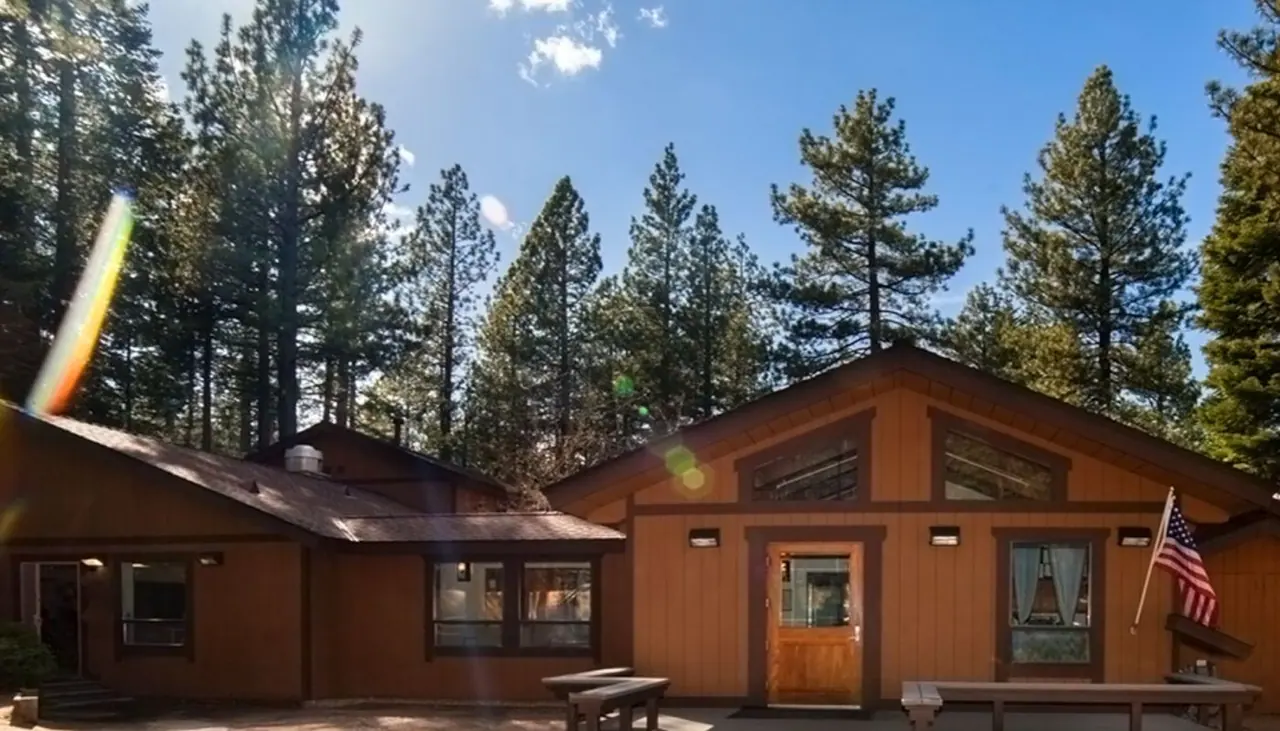
Elevate Addiction Services
This page describes what Elevate Addiction Services South Lake Tahoe offers adults seeking detox and mental health support.
South Lake Tahoe, CA
30 Days31-50 beds
- Joint Commission
- Detox
- Co-Occurring Mental Health
Good to know
Is Coachella Valley Recovery Cathedral City accredited?
Yes. The center holds Joint Commission accreditation and opened in 2022, which makes it a fairly new program with an external review behind it. Accreditation addresses safety and care standards, not outcomes, and it is a useful filter when comparing facilities. You can confirm current status through the Joint Commission before admission, and ask the center directly about any surveys or plans of correction.
How long are inpatient programs at this center?
The typical program length is 30 days, with 16-30 beds on site. Length is determined after the initial assessment, so a person with co-occurring conditions or a history of relapse may be advised to stay longer. Ask how extensions are handled and whether insurance would cover additional days, since that answer shapes what a stay really costs.
Does this center treat alcohol and benzodiazepine withdrawal?
One of the levels of care is detox listed, and both alcohol and benzodiazepine withdrawal are addressed. Those two are the cases where stopping suddenly can become medically dangerous, which is why a clinician should supervise the process rather than a person managing it alone at home. Ask who is on call overnight and how medications are handled during that period.
What does treatment cost, and will insurance help?
Only self pay rates are accepted for payment listed, so the center can quote a private rate directly. Insurance may still cover part of the care, but that has to be verified by phone with your plan details in hand. Ask for a written estimate covering detox, residential days and aftercare, and confirm what happens if the recommended length changes mid-stay.
What are the common reasons people go to rehab?
People seek treatment for reasons that vary widely, from alcohol and benzodiazepine dependence to cocaine, heroin, prescription drug or psychedelic use, often alongside anxiety, depression or trauma. At this center, the assessment sorts out which level of care fits. If someone is unsure whether residential or outpatient care is appropriate, then the evaluation is designed to clarify that before admission.