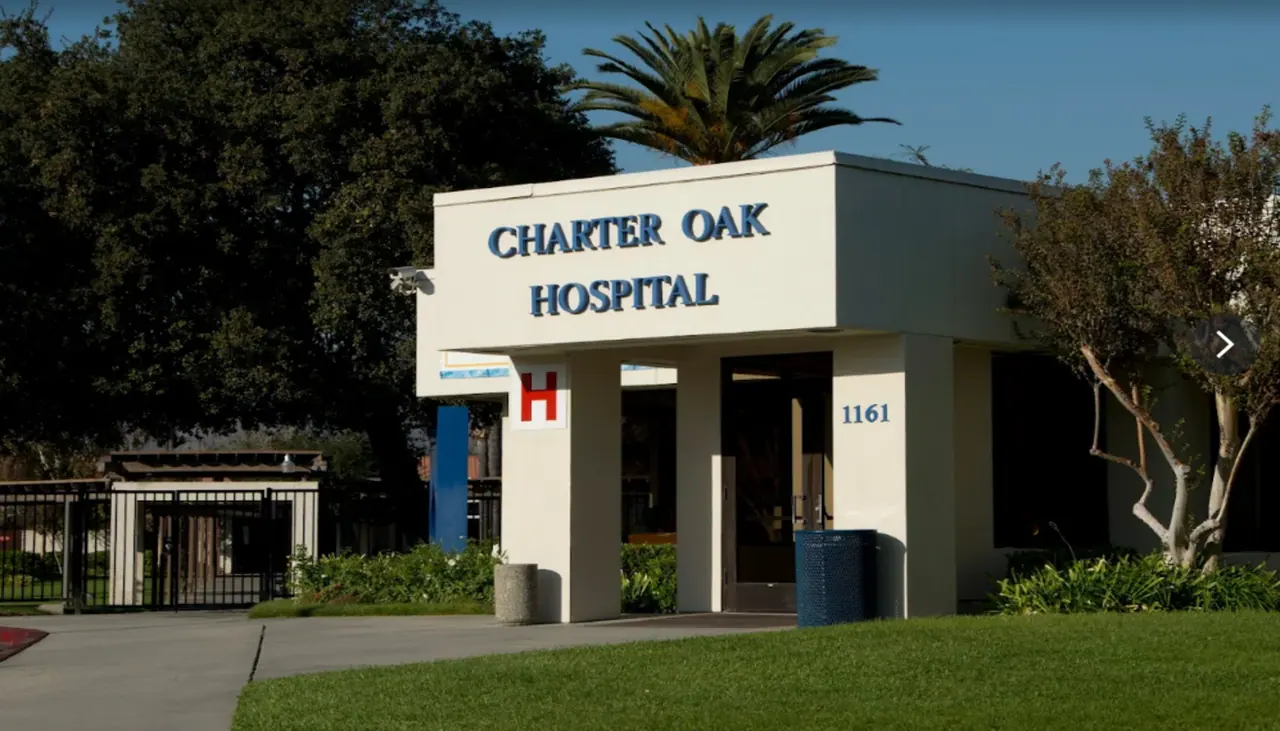
Aurora Charter Oak Hospital Covina
Aurora Charter Oak Hospital Covina provides inpatient detox and residential rehab on Covina Boulevard. The Joint Commission-accredited hospital has offered care since 1997, and stays typically last 7 days. This page covers who it serves, what it treats, and how to verify coverage.
- Joint Commission
- Detox
- Residential Rehab
- 7 days
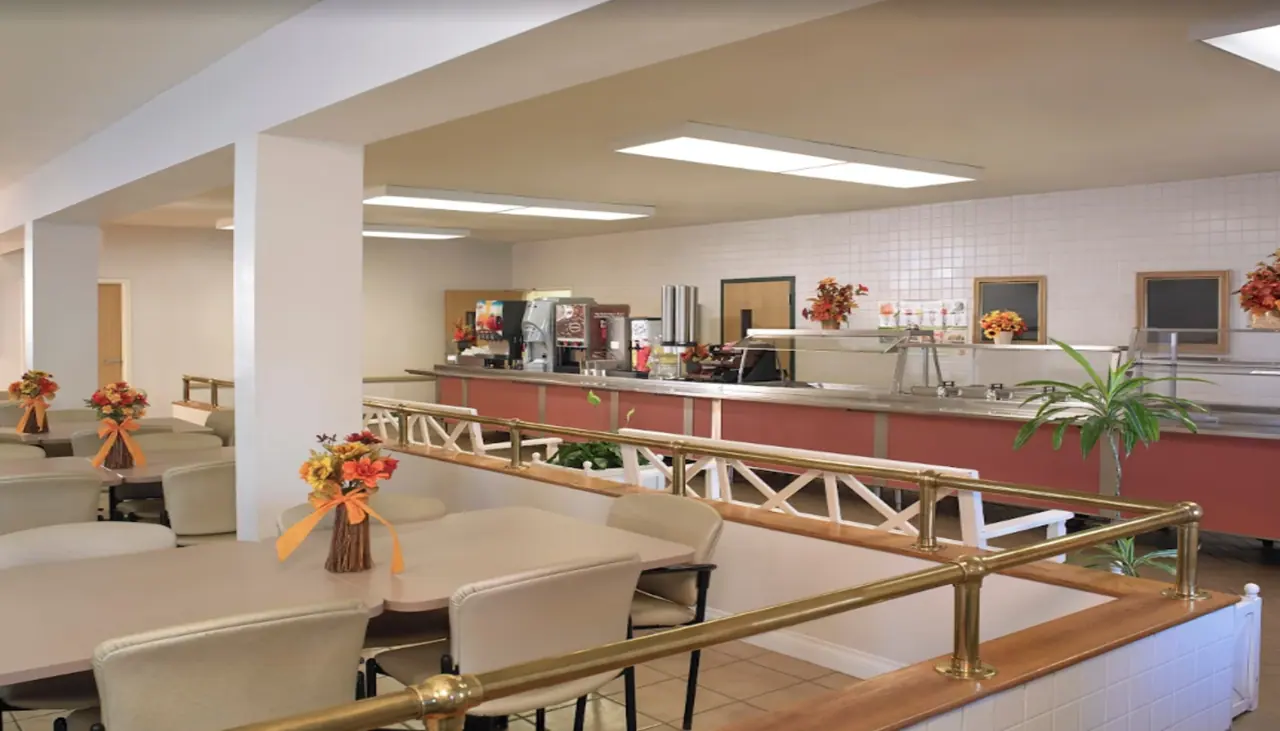

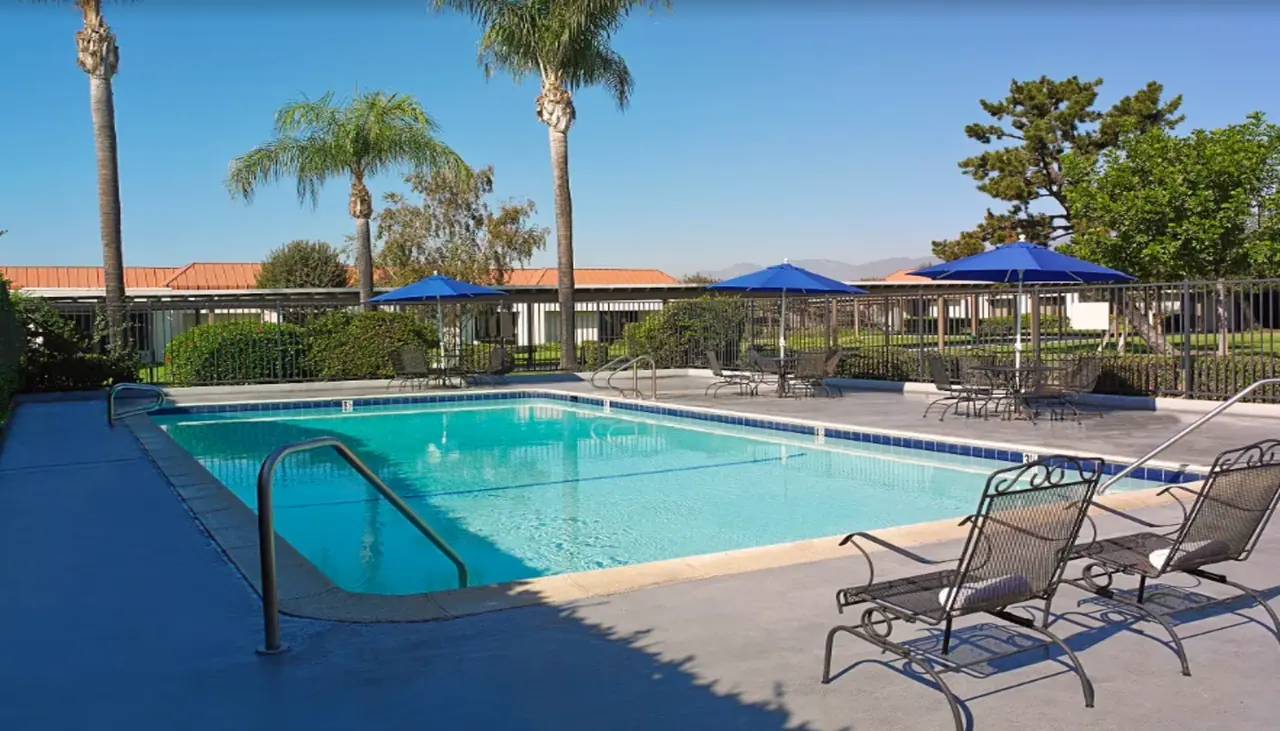
Aurora Charter Oak Hospital Covina offers hospital-based inpatient care for adolescents and adults who have drug or alcohol problems, frequently with a co-occurring mental health condition. Patients reside on site while in treatment, so medical staff are available at all hours during the early, difficult phase of stopping a substance. The program has been accredited by the Joint Commission since its opening in 1997.
Care is built around each person's own situation rather than a single fixed track. Staff draw on evidence-based methods, and the clinical team may use medication-assisted treatment, including Suboxone, for someone diagnosed with opioid use disorder. Those medications can soften withdrawal and reduce cravings, which can make the first days more manageable.
A continuing care program carries support past discharge, so people leave with a plan rather than a phone number. The hospital also offers assessments at any hour for anyone considering treatment, and family members are welcome to call on someone's behalf.
Detox plus residential care programs
Two levels of care are listed by the center: detox and residential rehab. At Aurora Charter Oak Hospital Covina, both detox and residential rehab programs are located in a hospital environment, so medical needs can be met without a transfer to another facility. Detox is the medically supervised time during which a substance clears from the body, and residential rehab is the structured stay that comes afterward, with therapy and daily programming on site.
The treatment combines individual counseling and cognitive behavioral therapy with group and family therapy and is tailored to each person's diagnosis. The program also offers psychoeducation, trauma-specific therapy, stress management, meditation and mindfulness, and Twelve Step facilitation. The approach is evidence-based and individualized, with medical oversight and Twelve Step meetings integrated into the week. When someone drinks heavily or uses benzodiazepines heavily, medical staff should oversee the withdrawal period, because those withdrawals can become dangerous without monitoring.
- Evidence-Based
- Trauma-Specific Therapy
- Meditation & Mindfulness
- Family Therapy
- Individual Treatment
- Medical
- Cognitive Behavioral Therapy
- Twelve Step
- Stress Management
- Group Therapy
Who the inpatient program is built for
- Adolescents, including boys and girls, as well as adults
- Men and women in separate or shared programming as the hospital arranges
- People with alcohol, heroin or other opioid use, and co-occurring disorders
- Individuals with depression, anxiety, bipolar disorder, PTSD or schizophrenia
- People with trauma histories, self-harm or suicidal thoughts who need a supervised setting
How long care lasts, rooms and languages
A typical stay lasts 7 days, which generally includes detox and the beginning of residential treatment; longer stays depend on clinical need and insurance review. If a longer stay is recommended, your insurer will review the extension before approving it. Rooms have air conditioning, and the hospital has a fitness center. Activities include AA and NA meetings, games, physical fitness, swimming and yoga. Services are offered in English, and the program appears with four photos on SAMHSA FindTreatment.gov.
Paying for inpatient care in Covina
Private-pay rates as a payment option, and insurance is often used for hospital-based detox and residential care. Since coverage depends on your plan, the diagnosis, and the length of stay your clinician recommends, call the helpline to have benefits checked before you commit. If your plan does not cover this level of care, the helpline can refer you to other SAMHSA-listed facilities in California, where 947 are listed.
Questions before you are admitted
- Will my plan cover residential rehab and detox at this center, and how much out-of-pocket should I budget?
- How many days will my stay last, and who decides when I am discharged?
- Will a clinician manage my withdrawal, and how is that monitored overnight?
- Are adolescents and adults housed separately, and what supervision is in place?
- What does the continuing care program include after I leave, and is outpatient treatment available?

More programs for comparison
-

Evolve Teen Treatment Center
Evolve Teen Treatment Center Walnut Creek is a residential program for teens.
Walnut Creek, CA
45 days6-15 beds
- Joint Commission
- Detox
- Residential Rehab
-

West Coast Recovery Centers
West Coast Recovery Centers Carlsbad is an outpatient program on Grand Avenue.
Carlsbad, CA
30 days31-50 beds
- Joint Commission
- Outpatient
- Co-Occurring Mental Health
-

Spark To Recovery
Spark to Recovery Cardiff by the Sea is a licensed program in Cardiff, California.
Cardiff By The Sea, CA
90 days6-15 beds
- Joint Commission
- Detox
- Co-Occurring Mental Health
-
Vitalize Shaw & 41
Vitalize Shaw & 41 Fresno is an outpatient clinic located in Fresno, California.
Fresno, CA
90 days
- Joint Commission
- Outpatient
- Co-Occurring Mental Health
-
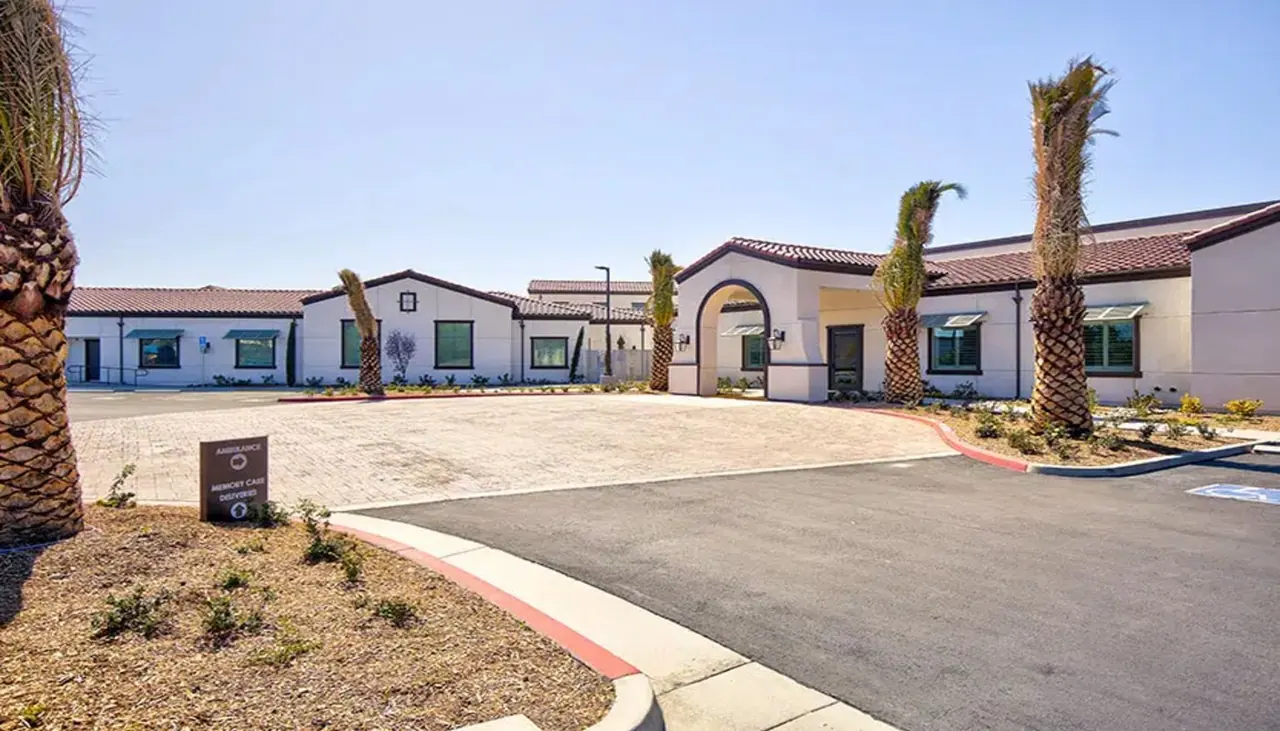
Temecula Recovery Center
Temecula Recovery Center is a Joint Commission accredited facility in Temecula.
Temecula, CA
28 days
- Joint Commission
- Detox
- Residential Rehab
-
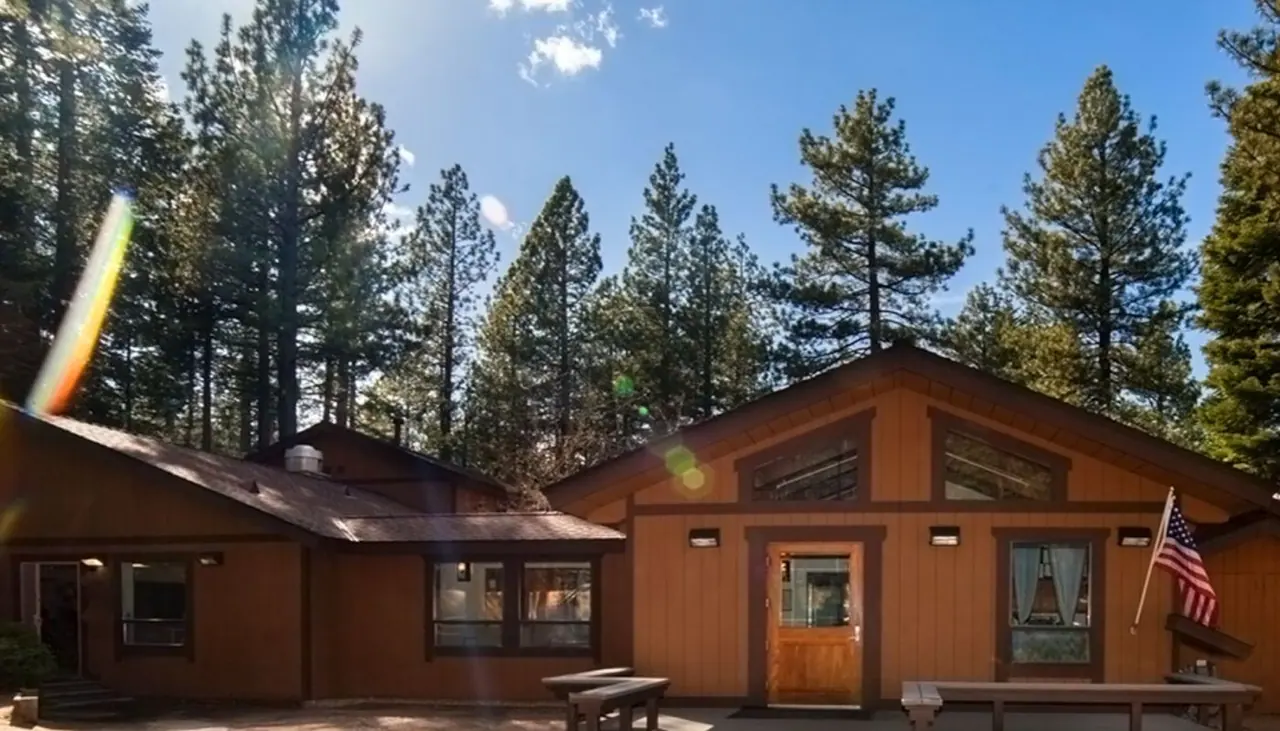
Elevate Addiction Services
This page describes what Elevate Addiction Services South Lake Tahoe offers adults seeking detox and mental health support.
South Lake Tahoe, CA
30 Days31-50 beds
- Joint Commission
- Detox
- Co-Occurring Mental Health
Good to know
What is Aurora Charter Oak Hospital Covina known for?
This is a Joint Commission-accredited inpatient hospital program in Covina, California, providing detox and residential rehab since 1997, with a typical stay of 7 days. It serves adults and adolescents and treats substance use together with mental health conditions such as depression, anxiety and PTSD. The hospital also offers a continuing care program after discharge. If you are comparing options, ask how its continuing care is structured.
How long are inpatient programs at this hospital?
The center's listing shows a typical program of 7 days. Medically monitored detox and the beginning of residential care usually fall within that window. If withdrawal is complicated or a co-occurring condition needs more time, a longer stay may be recommended, and your insurer reviews any extension before approving it.
Does the center offer Suboxone or other medication-assisted treatment?
Correct. For patients who have been diagnosed with opioid use disorder, the program may involve medication-assisted treatment, Suboxone among the options. Such medications can reduce cravings and make withdrawal symptoms easier to bear while counseling carries on. The clinical team decides on medication after an assessment, so when you call, ask how this hospital approaches induction and continuing prescriptions.
Does Medi-Cal pay for rehab in California?
Medi-Cal covers some substance use treatment in California, though what is paid for is based on your plan and the care level. This hospital posts cash pay rates, and staff verify insurance by phone before admission. You can call the helpline to check your coverage and, if this program is out of network, to compare other SAMHSA-listed options.
Why do people typically enter rehab?
There are many reasons people seek treatment: alcohol or opioid use that has become difficult to control, mental health conditions that occur alongside addiction such as depression or PTSD, or a crisis like self-harm or suicidal thoughts. This hospital treats all of these. If you are unsure whether inpatient care is needed, a free assessment can clarify the appropriate level of care.