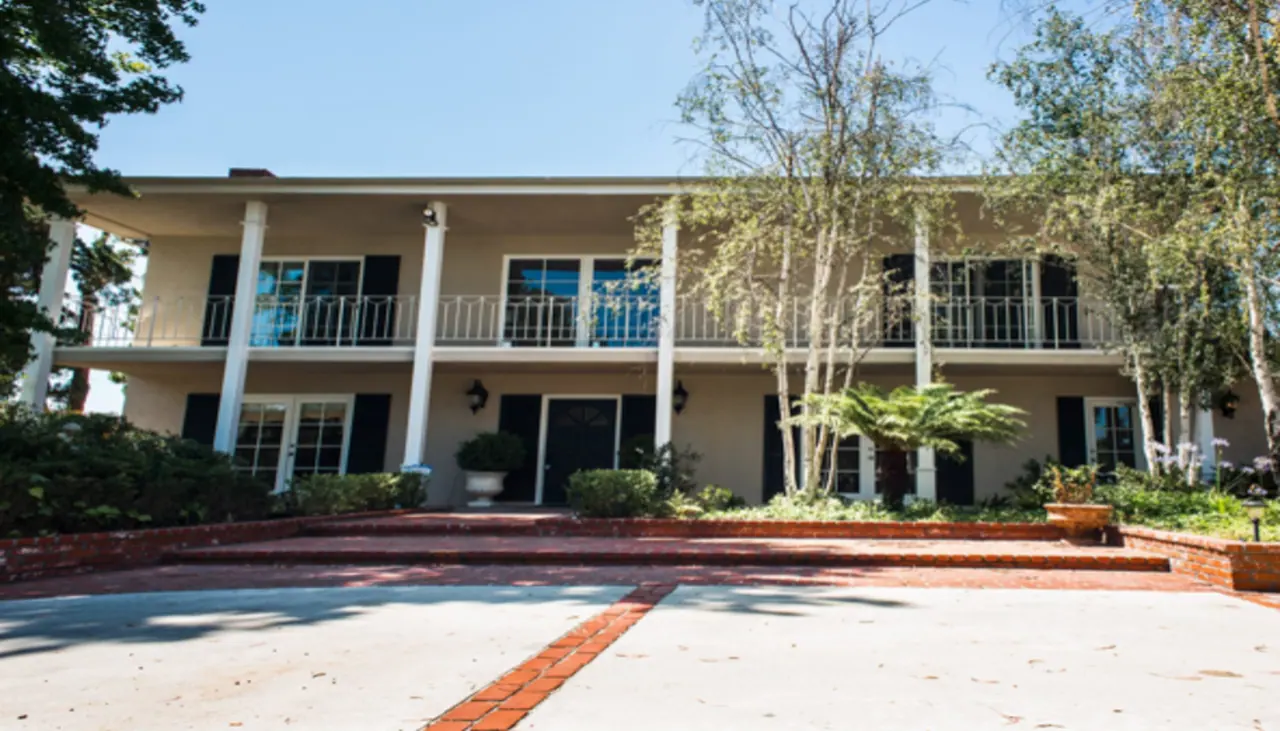
Alsana Westlake Village residential Thousand Oaks
Alsana Westlake Village Residential is a residential eating disorder program in Thousand Oaks. It is one of 947 facilities listed for California in SAMHSA FindTreatment.gov data. This page explains who it serves, what it offers, and how to check costs.
- Joint Commission
- Residential Rehab
- Outpatient
- 30 Days
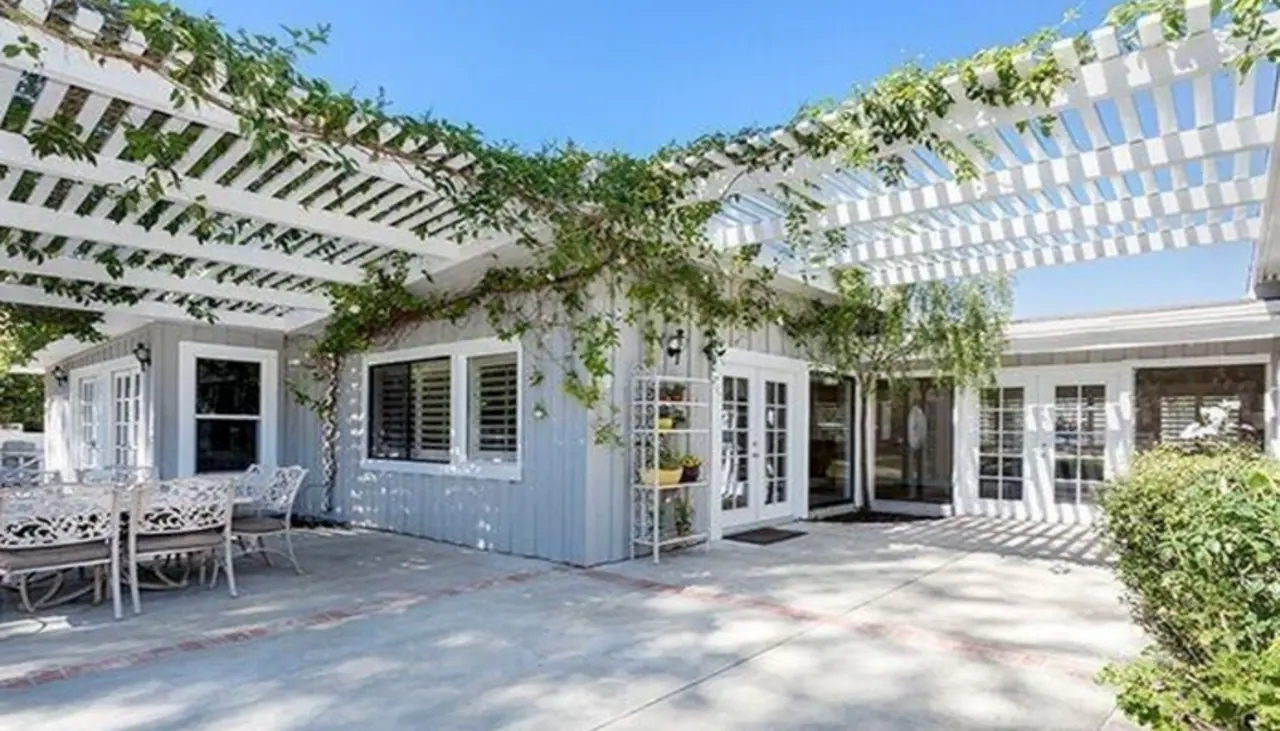
Alsana Westlake Village Residential sits at 913 Bruce Cir. in Thousand Oaks and describes itself as treating adults 18 and older of all genders who are living with eating disorders. The program frames recovery as work across several areas of life at once, not only symptom reduction, and its materials describe a model built around medical, relational, nutritional, movement and therapeutic support. In practice that means a clinical team, dietitian input, movement guidance and counseling are meant to work together rather than in separate silos.
The center has been in operation since 2018 and holds Joint Commission accreditation, which is worth confirming directly if accreditation affects how you or your insurer view a program. It describes itself as offering both residential rehab and outpatient care, so a person's placement depends on how much support a clinician believes is needed. Residency here is small, with a stated capacity of 6 to 15 beds, and the program is delivered in English.
Since Alsana treats eating disorders together with co-occurring conditions like anxiety, depression and trauma, families often come in unsure whether inpatient or outpatient care is the right level. Talking by phone with the center, or with a helpline that checks openings, is generally the quickest way to find out what is available and what insurance would pay for.
Degrees of care and treatments
The center lists residential rehab and outpatient care, and it shows a usual program length of 30 days, though stays can vary from person to person. Therapy offerings include individual counseling, family therapy, art therapy, experiential therapy and eye movement desensitization and reprocessing, usually shortened to EMDR. Its materials also describe evidence-based and experiential approaches provided as individual treatment.
For people comparing drug rehab, alcohol rehab or mental health programs across California, the distinction matters: this is an eating disorder and trauma specialty, not a general detox or substance withdrawal unit. If someone needs medically monitored detox, ask the center directly whether that is offered on site or referred out, and ask a treating clinician how alcohol or benzodiazepine withdrawal would be managed, since abrupt withdrawal from either can become dangerous and is best overseen by a clinician.
- Art Therapy
- Individual Treatment
- Evidence-Based
- Family Therapy
- Experiential
- Spiritual Care
- 1-on-1 Counseling
- Eye Movement Therapy (EMDR)
- Experiential Therapy
Who this program is for in Thousand Oaks
- Adults 18 and older of all genders, per the center's own description
- People with eating disorders, which the center names as a specialization
- People living with anxiety, depression or trauma alongside an eating disorder
- Individuals who need residential-level structure rather than weekly outpatient visits
- People who want evidence-based and experiential therapy in an individual format
Setting, size, and program length
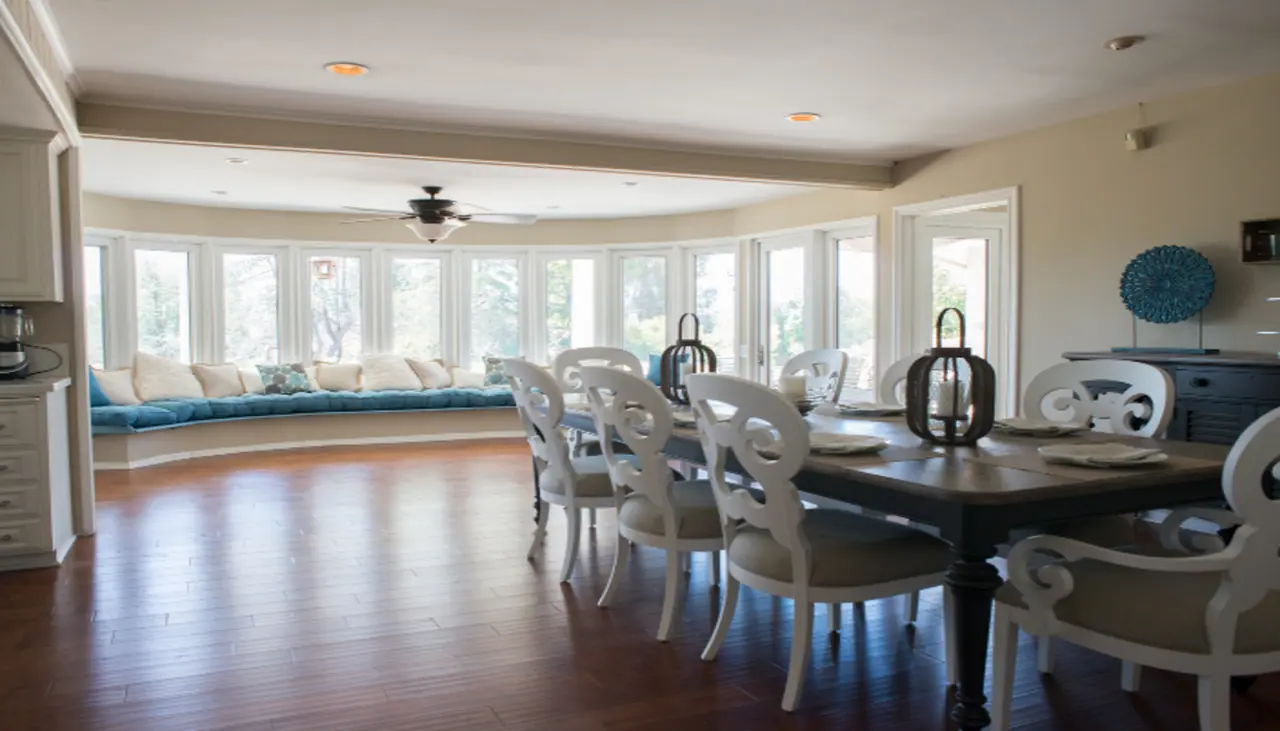
The program's stated usual length is 30 days, and the residential setting has 6 to 15 beds, which feels more like a small house than a big institution. Rooms are described as air-conditioned, with private or shared choices and shared rooms on offer. Amenities cover access to nature, a basketball court, a bocce ball court, meals prepared by a chef and internet access, while activities include cooking classes, yoga, games and reading. Programming is in English, and the center lists three California locations.
- Chef-prepared Meals
- Internet Access
- Access to Nature
- Basketball Court
- Internet
- Bocce Ball Court
Paying for residential treatment here
The center lists private-pay rates, so ask for a written cost estimate before committing to a start date. Insurance coverage is not stated in the data here, and no one can promise that a plan will pay for a stay; a phone call to the center or your insurer to verify benefits is the practical next step. Confirm what a quoted rate includes, how partial stays are billed, and whether out-of-network benefits apply.
Questions to ask before admission
- Is my insurance accepted, and what would I owe after deductible and out-of-pocket costs?
- What does the 30-day length typically look like, and can a stay be extended if needed?
- How are eating disorders and co-occurring anxiety, depression or trauma treated together?
- What happens if someone arrives needing detox or has heavy alcohol use, and where would that care happen?
- What aftercare is offered, such as family follow-up counseling, alumni groups or support meetings?


More programs for comparison
-
Evolve Teen Treatment Center
Evolve Teen Treatment Center Walnut Creek is a residential program for teens.
Walnut Creek, CA
45 days6-15 beds
- Joint Commission
- Detox
- Residential Rehab
-

West Coast Recovery Centers
West Coast Recovery Centers Carlsbad is an outpatient program on Grand Avenue.
Carlsbad, CA
30 days31-50 beds
- Joint Commission
- Outpatient
- Co-Occurring Mental Health
-

Spark To Recovery
Spark to Recovery Cardiff by the Sea is a licensed program in Cardiff, California.
Cardiff By The Sea, CA
90 days6-15 beds
- Joint Commission
- Detox
- Co-Occurring Mental Health
-
Vitalize Shaw & 41
Vitalize Shaw & 41 Fresno is an outpatient clinic located in Fresno, California.
Fresno, CA
90 days
- Joint Commission
- Outpatient
- Co-Occurring Mental Health
-
Temecula Recovery Center
Temecula Recovery Center is a Joint Commission accredited facility in Temecula.
Temecula, CA
28 days
- Joint Commission
- Detox
- Residential Rehab
-
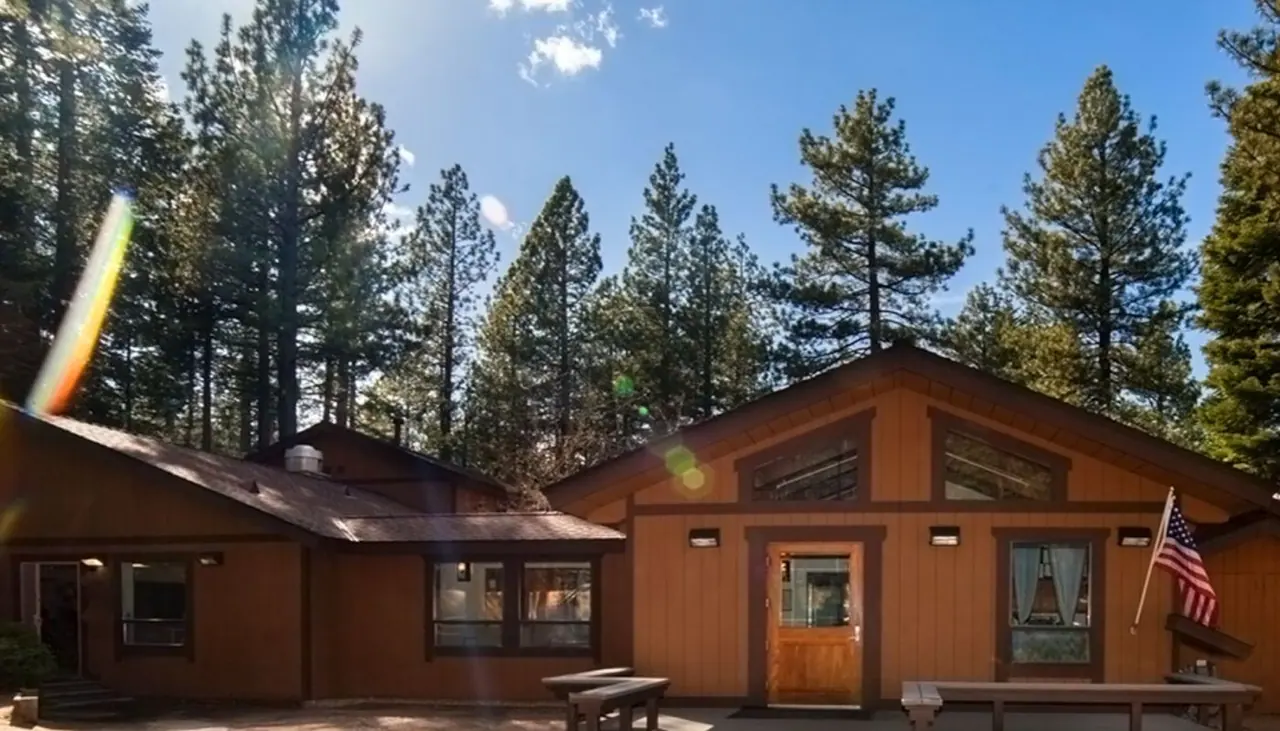
Elevate Addiction Services
This page describes what Elevate Addiction Services South Lake Tahoe offers adults seeking detox and mental health support.
South Lake Tahoe, CA
30 Days31-50 beds
- Joint Commission
- Detox
- Co-Occurring Mental Health

Good to know
How long are inpatient programs at Alsana Westlake Village Residential?
The center states a usual program length of 30 days, though individual plans can change with clinical need. At intake, ask whether a stay may be extended and what extra days would cost. As a comparison, lots of residential eating disorder programs last several weeks, and insurers tend to review ongoing stays at set intervals, so checking benefits early is worthwhile.
Does Medi-Cal pay for rehab in California, and does it apply here?
The data here does not state whether this center accepts Medi-Cal or any specific plan. The center lists cash pay rates, so self-payment is one route. If you rely on Medi-Cal or a commercial plan, call the center and your insurer before making plans and ask for written confirmation of benefits. No program or helpline can guarantee coverage before that verification happens.
What conditions does this Thousand Oaks center treat?
Alsana's own description covers eating disorder care for adults 18 and older, and it lists anxiety, depression and trauma among the conditions that can occur alongside. Trauma also appears as one of its stated specialties. The description does not present the center as a detox or general addiction treatment setting. If someone needs withdrawal management, it is worth asking where that care would happen and which clinician would be responsible for it.
What is life like during a residential stay in Thousand Oaks?
The residential setting holds 6 to 15 beds, with air-conditioned rooms and shared or private options. Amenities include access to nature, sports courts, chef-prepared meals and internet access, and activities include cooking classes, yoga, games and reading. Therapy is a mix of individual counseling, family therapy, art therapy, experiential therapy and EMDR, delivered in English.